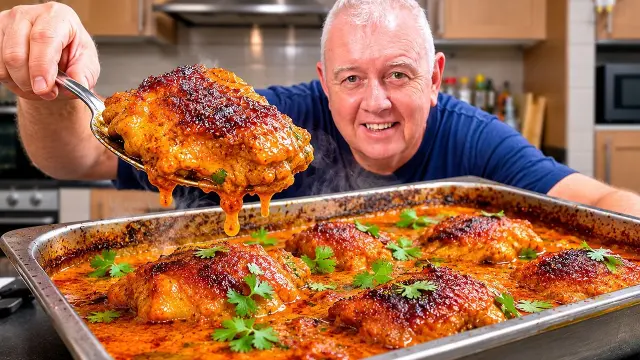
 Oven Tray Chicken Curry Made Without Frying Onions
#Curry Techniques
1 ideas
Oven Tray Chicken Curry Made Without Frying Onions
Get new #Curry Techniques ideas by email
Every Thursday: the week's best ideas, with the newest from #Curry Techniques.
Related tags
Curry Techniques: A Guide to Building Flavour
Curry is less a single dish than a family of cooking methods. The word itself is loosely applied: in the West it usually means a spiced, saucy dish eaten with rice or bread, while across South Asia, Southeast Asia and beyond it covers an enormous range of preparations that share little except confidence with spice. The term is often traced to a Tamil word for sauce or relish, and it travelled outward through trade and migration, adapting to local ingredients at every stop.
The idea behind the technique
What unites curries is layering. Flavour is built in stages rather than added at the end — aromatics first, then spices, then the main ingredient, then a liquid, then a finishing touch. Each stage exists for a reason, and the reason is usually heat.
Tempering whole spices
Read more
Heating whole spices in fat until they release their aroma is the first lesson in most kitchens that cook this way. Indian cooking calls it tadka or vaghar; other traditions have their own names. Seeds such as cumin and mustard are ready when they darken slightly or begin to pop. Fry them briefly — seconds, not minutes — because burnt spices taste bitter and cannot be rescued.
Blooming ground spices
Ground spices need even less time. Add them to the hot fat after the aromatics — onion, garlic, ginger, chilli — have softened, and stir constantly. The moment they smell warm and toasty, add liquid or tomatoes to stop the cooking. This step, often called blooming, draws out flavours that raw powder keeps locked in.
Building the base
Many curries rest on a slow-cooked base of onion, ginger and garlic cooked until sweet and deeply coloured, sometimes for far longer than seems reasonable. Rushing this stage leaves a sauce that tastes sharp. Cooking the base with the spices before any liquid goes in — a step sometimes called bhuna — thickens it and deepens the colour. Only then does water, stock, coconut milk or tomato go in.
Thickening and body
Curries get their texture in several ways: yogurt or cream stirred in off the heat to prevent splitting, ground nuts or seeds, coconut milk reduced gently, lentils that break down, or simply time and evaporation. Add dairy at low heat and stir steadily.
Balancing the finished pot
Good curry is a balance of fat, salt, acid, heat and sweetness. If it tastes flat, a squeeze of lemon, lime or a splash of vinegar often fixes it before more salt does. If it tastes harsh, a little fat or a pinch of sugar rounds it out. Taste as you go and adjust in small amounts.
What beginners should know
Start with fewer spices, freshly ground, rather than a long list used carelessly. Keep the heat moderate so spices toast instead of burning. Let the finished curry rest a while — flavours settle and mellow — and remember that most improve the next day.
#Curry Techniques: frequently asked questions
How do I start cooking curry if I've never made one before?
Begin with a single simple dish and focus on the order things go into the pan rather than on collecting a long spice list. Soften your aromatics slowly, toast the spices in the hot fat until they smell warm, then add the main ingredient and liquid. Once that rhythm feels natural, branching out to other styles becomes much easier.
What do I actually need in the kitchen to make a good curry?
A heavy pan that holds heat evenly, a wooden spoon, and a small set of whole and ground spices you will use up while they are still fresh. Fresh onion, garlic, ginger and chilli do most of the work, and a fat, a liquid such as stock, tomato or coconut milk, and something acidic for finishing round it out. Fewer spices used attentively beat a crowded cupboard used carelessly.
Which kind of curry should I choose to cook?
Pick based on the texture and richness you want rather than on the region it comes from: slow-cooked vegetable and legume dishes are forgiving and filling, while coconut-based sauces suit delicate ingredients and quick cooking. If you are feeding a mixed table, a mild, gently spiced sauce with the heat added at the end pleases more people. Consider also what you have on hand, since a curry adapts readily to local ingredients.
How do I store and reheat curry so it still tastes good?
Let the pot cool, keep it covered in the refrigerator, and reheat gently rather than at a hard boil, stirring as it warms so it heats through evenly. Dairy-based sauces are the most delicate — stir them over low heat and avoid letting them sit and split. Most curries mellow and improve after a rest, so making them ahead is an advantage rather than a compromise.
What are the most common mistakes people make with curry?
The usual culprits are rushing the onion base so it tastes sharp, and leaving ground spices in the hot fat too long so they turn bitter and cannot be rescued. Another is fixing a flat sauce with more salt when a squeeze of lemon or a splash of vinegar would do the job. Tasting as you go and adjusting in small amounts prevents most of these.
Can I make curry ahead for a gathering or a busy week?
Yes — curry is one of the most accommodating dishes to prepare in advance, since the flavours settle and mellow as it rests. Cook the base and sauce ahead, then add fragile ingredients when you reheat so they do not break down. Finish with acid, fresh herbs or a swirl of dairy just before serving to bring it back to life.
Videos come from YouTube and posts from Instagram; titles and summaries are our own. All rights belong to their creators.