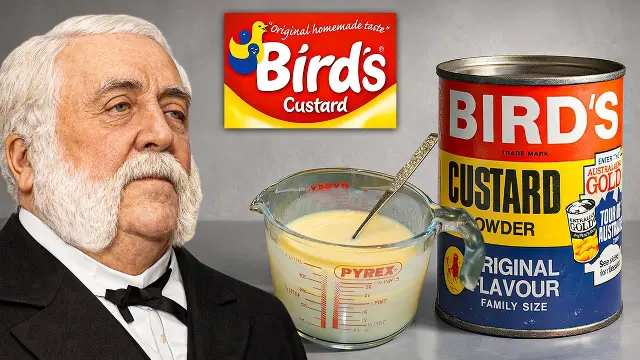
 The History and Legacy of Bird's Custard
#Custard Powder
2 ideas
The History and Legacy of Bird's Custard
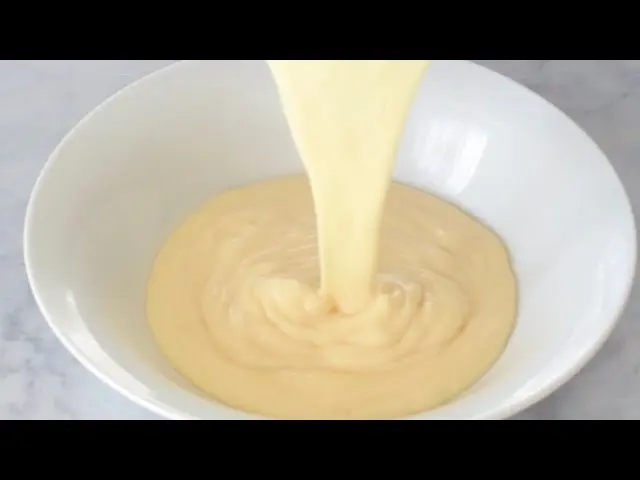 How to Make Smooth Custard Using Custard Powder
Get new #Custard Powder ideas by email
Every Thursday: the week's best ideas, with the newest from #Custard Powder.
Related tags
Custard Powder: A Guide to Cooking, Uses and Storage
Custard powder is one of those pantry staples that looks unremarkable — a pale, fine powder in a plain tin — yet it turns a jug of milk into something comforting in a matter of minutes. At its heart it is simply a starch-based thickener, most often cornflour, tinted yellow and flavoured with vanilla so that the finished custard looks and tastes the way people expect.
Traditional custard is made by gently cooking eggs, milk and sugar together. Custard powder came out of England as an egg-free alternative: a shelf-stable mixture that anyone could keep in the cupboard and turn into custard with nothing more than milk and sugar. That convenience is why it spread through British and Commonwealth kitchens and stayed there, long after refrigeration made fresh eggs and milk easy to keep.
What is actually in it
The base is a starch — usually cornflour, sometimes a blend. The yellow colour traditionally comes from annatto, a plant-derived colouring, and the flavour from vanilla or a vanilla-type flavouring. Some versions include milk powder, salt or other additions, so if you are cooking for someone with an egg or dairy allergy, read the ingredients rather than assuming the powder is free of them. Most are egg-free; very few are milk-free.
Read more
How it thickens
Starch granules swell as they absorb liquid and heat, then burst and thicken the mixture around them. That means the custard has to come to a gentle simmer to thicken properly — stirring constantly over low heat until it just bubbles. Cook it too long or too vigorously and the starch can break down, leaving you with a thin, slightly grainy sauce. Ratios vary between products, so follow the tin for the first batch and adjust afterwards.
Cooking it smoothly
- Whisk the powder with the sugar first, then add a splash of cold milk to make a smooth paste. Starting with cold liquid is what prevents lumps.
- Warm the rest of the milk, pour it over the paste, then return everything to the pan.
- Heat gently and stir the whole time, reaching into the corners and the base of the pan, where custard catches and burns.
- Let it simmer briefly to cook out the raw starch taste, then take it off the heat and stir in a little vanilla or butter for richness.
Beyond a jug of pouring custard
Custard powder earns its place in trifles, fruit fools and layered desserts, as a filling for sandwich cakes and tart cases, stirred into biscuit and cake batters, and as a base for homemade ice cream. It is also a useful thickener for fruit juices and sweet sauces.
Keep the tin sealed in a cool, dry place and use it within its date. Once made, cool custard quickly, keep it covered in the fridge and use it within a couple of days; it firms up as it chills, so loosen it with a little milk when reheating.
#Custard Powder: frequently asked questions
What exactly is custard powder, and how do I use it?
It is a starch-based thickener, usually cornflour, coloured yellow and flavoured with vanilla so that milk becomes custard in minutes. You whisk it with sugar and a splash of cold milk into a paste, then warm the rest of the milk through it and heat gently until it simmers and thickens. It exists as a shelf-stable, egg-free shortcut for making custard from just milk and sugar.
Why does my custard come out lumpy or thin?
Lumps almost always come from adding the powder straight to hot liquid, so start by making a smooth paste with cold milk before any heat goes near it. A thin result usually means the mixture never reached a gentle simmer, or it was cooked too long and hard afterwards and the starch broke down. Stir constantly over low heat, reaching into the corners and base of the pan, and pull it off the heat as soon as it has bubbled briefly.
How do I choose which custard powder to buy?
Read the ingredients rather than the front of the tin, since the base starch, colouring and flavourings differ between products and some include milk powder or salt. If you are cooking for someone avoiding egg or dairy, check carefully — most are egg-free, but very few are milk-free. The thickening ratio also varies by product, so follow the tin for your first batch and adjust from there.
How should I store custard powder and leftover made custard?
Keep the tin sealed in a cool, dry place and use it within its date, since it is a dry pantry staple rather than something needing the fridge. Once made, cool the custard quickly, cover it and refrigerate, using it within a couple of days. It firms up considerably when cold, so loosen it with a little milk as you reheat.
What can I make with custard powder besides a jug of pouring custard?
It works as a filling for sandwich cakes and tart cases, a layer in trifles and fruit fools, and a base for homemade ice cream. You can also stir it into biscuit and cake batters, or use it as a thickener for fruit juices and sweet sauces where you want body without eggs.
Videos come from YouTube and posts from Instagram; titles and summaries are our own. All rights belong to their creators.