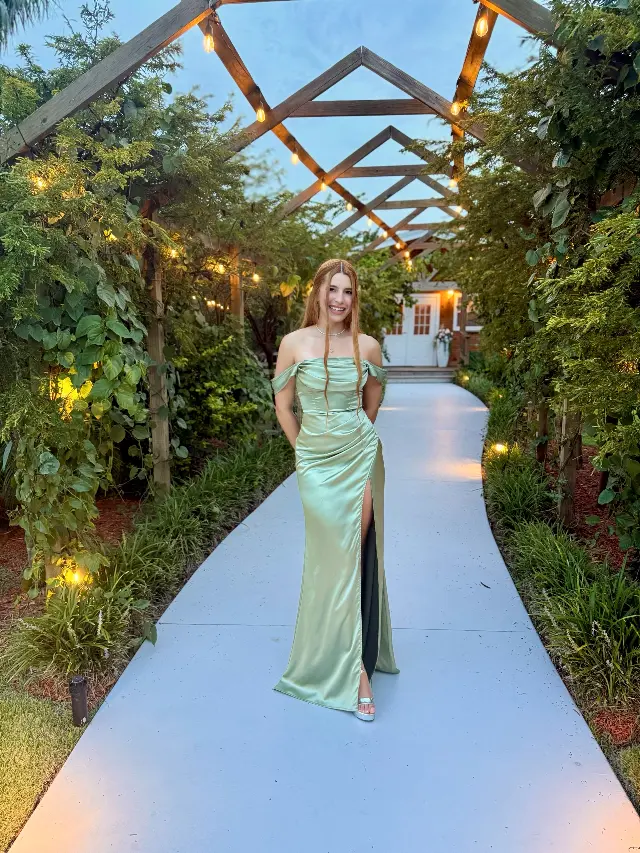
 Custom designed wedding dress created for a special bride in Miami
#Custom Dress
1 ideas
Custom designed wedding dress created for a special bride in Miami
Get new #Custom Dress ideas by email
Every Thursday: the week's best ideas, with the newest from #Custom Dress.
Related tags
Custom Dress Guide: Made Just for You
A custom dress is a garment made to fit your body, your taste, and the occasion you have in mind. Unlike ready-to-wear pieces, it begins with your measurements and your ideas, then is shaped into a one-of-a-kind design. People choose custom dresses for weddings, special celebrations, formal events, or simply because they want something that feels more personal and comfortable than off-the-rack clothing.
What a custom dress is
Custom dressmaking can range from small alterations to a fully original design. Sometimes the process starts with a pattern that is adjusted to your measurements. In other cases, the dress is drafted from scratch. Either way, the aim is the same: a better fit, a more personal style, and details chosen specifically for you.
This approach has a long history in dressmaking and tailoring. Before mass-produced clothing became common, most garments were made by hand or altered locally. Today, custom dresses still appeal to anyone who wants careful construction, special fabrics, or a silhouette that is difficult to find in standard sizes.
Read more
Common kinds and styles
Custom dresses can be created for many purposes:
- Bridal dresses
- Evening and cocktail dresses
- Occasion dresses for parties or ceremonies
- Day dresses with a tailored fit
- Dresses for maternity, formal wear, or modest dressing
The style can be simple or elaborate. Some people prefer clean lines and minimal detailing, while others want lace, pleats, embroidery, ruffles, or dramatic volume. The beauty of custom work is that you can combine shape, fabric, and finishing details in a way that suits your body and the event.
How the process usually works
A custom dress usually begins with a consultation or conversation about the look you want. You may share reference images, fabric ideas, or examples of necklines, sleeves, and lengths you like. Then measurements are taken, and a pattern is drafted or adapted.
You can expect one or more fittings. These are important because the fit of a dress depends on how the fabric falls on your body, not just on numbers on a tape measure. Small adjustments at this stage can make a big difference in comfort and appearance.
Tips for a good result
If you are considering a custom dress, keep these points in mind:
- Think about where and how you will wear it.
- Choose a silhouette that lets you move and sit comfortably.
- Be honest about what you like and what you do not.
- Bring clear inspiration, but stay open to practical advice.
- Ask about fabric behavior, especially for drape, structure, and transparency.
- Allow enough time for fittings and changes.
What beginners should know
If this is your first custom dress, start with a clear purpose. A well-made custom piece should not only look beautiful, but also feel good to wear. Simpler designs are often easier to fit well, while very structured or heavily decorated dresses may need more time and attention. Good communication is essential, especially about fit, neckline, sleeve comfort, and length.
A custom dress is ultimately about creating something that reflects you. When the shape, fabric, and finish all work together, the result can feel both special and natural to wear.
#Custom Dress: frequently asked questions
How do I get started with a custom dress?
Start by getting clear on the occasion, the season, and how you want the dress to feel when you wear it, then gather reference images of necklines, sleeves, lengths, and fabrics you respond to. From there, a conversation with a dressmaker about your ideas and measurements sets the direction, and the pattern is drafted or adapted from that starting point. Coming in with a purpose rather than a fixed picture usually leads to a better result.
What do I need to prepare before a first consultation?
Bring inspiration you actually like, whether that is photos, fabric swatches, or examples of dresses you have worn and enjoyed, along with an honest sense of what you find uncomfortable. It also helps to know where and how you will wear the dress, since sitting, dancing, and moving all shape the silhouette that will work for you. Clear references plus openness to practical advice are worth more than a long list of requirements.
Which style of custom dress should I choose?
Choose the silhouette by how you will spend the day in it, not only by how it looks on a hanger, and let comfort guide details like sleeve shape and neckline. Simpler lines are generally easier to fit well, while heavily structured or decorated designs ask for more time and attention in the making. The real advantage of custom work is combining shape, fabric, and finishing in a way that suits your body and the event rather than copying a single reference.
How should I care for a custom dress?
Ask about the specific fabric at the time it is made, because drape, structure, and transparency all behave differently when cleaned, pressed, or stored. Follow the dressmaker's guidance on cleaning and hanging rather than assuming a standard routine, and give the dress room to breathe in storage so pleats and shaping hold. Handling small marks early is easier than treating a set-in stain later.
What mistakes should I avoid when ordering a custom dress?
The most common ones are rushing the timeline, hiding a preference to be polite, and choosing a look without thinking about how it moves when you sit or walk. Being vague about inspiration or ignoring advice about how a fabric falls can also lead to a dress that photographs well but feels awkward to wear. Speak up during fittings, since small adjustments there make the biggest difference to comfort and appearance.
Is a custom dress a good idea for a wedding or special occasion?
It can be, especially when you want a fit, fabric, or silhouette that is hard to find ready-made, or when the day calls for something that feels personal rather than borrowed from a trend. A custom piece is made around your measurements and your taste, so the result tends to feel both special and natural to wear. The trade-off is that it asks for your time, your honest input, and patience through fittings.
Videos come from YouTube and posts from Instagram; titles and summaries are our own. All rights belong to their creators.