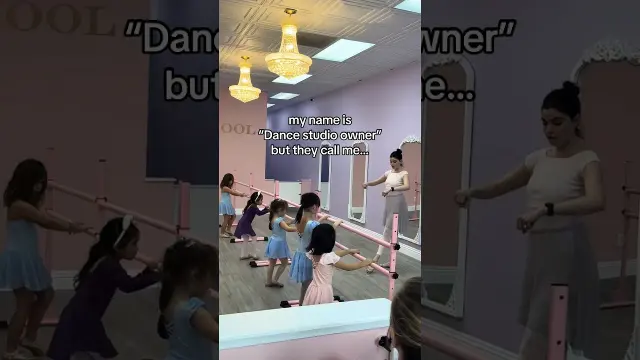
 Why Running a Dance Studio Means More Than Business
#Dance Teacher
5 ideas
Why Running a Dance Studio Means More Than Business
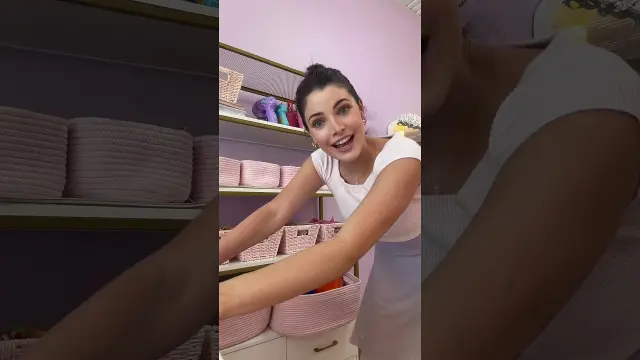 Day in the Life of a Dance Studio Owner Teaching Toddler Ballet
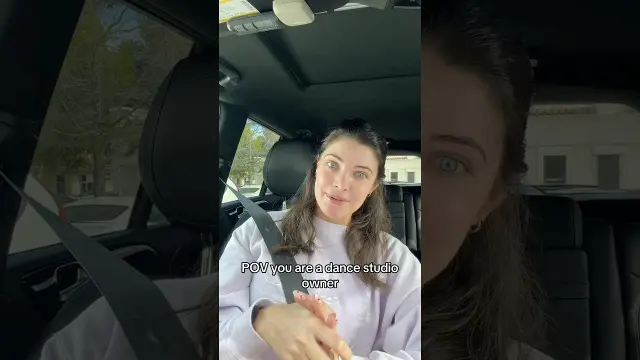 Day in the Life Vlog of a Ballet Studio Owner
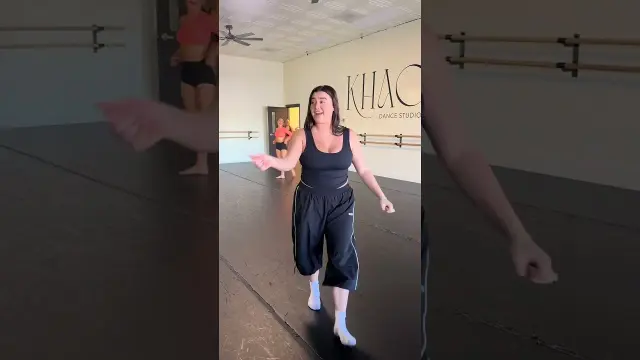 A Day in the Life of a Dance Teacher and Studio Owner
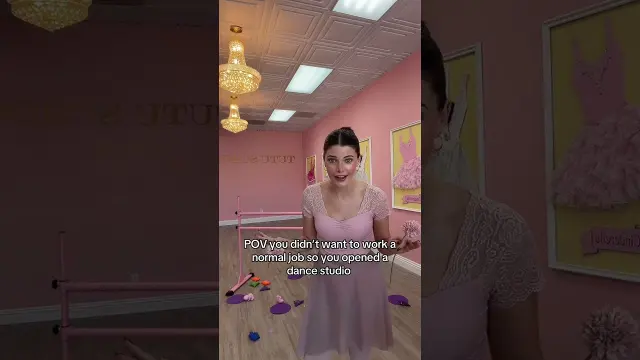 Owning a Dance Studio Is a 24/7 Job, and She Loves It
Get new #Dance Teacher ideas by email
Every Thursday: the week's best ideas, with the newest from #Dance Teacher.
Related tags
Dance Teacher: A Guide to the Craft and Calling
A dance teacher is someone who passes on movement — not just steps, but the coordination, musicality and confidence that let a body express something. The role sits somewhere between coach, artist and mentor, and it exists across every style of dance: ballet, tap, jazz, contemporary, hip-hop, ballroom, folk forms and social dances. Wherever people learn to move to music, someone is teaching.
Where it comes from
Teaching dance is as old as dance itself. Long before formal studios, movement was passed down in families, villages and courts, learned by watching and repeating. The idea of the trained, paid teacher grew alongside professional theatre and, later, the rise of dance schools open to ordinary children and adults. Today a dance teacher might work in a private studio, a community hall, a school, a theatre company or online — but the core act is unchanged: showing, correcting, encouraging, repeating.
The main kinds of teaching
Read more
Teachers tend to specialise. Some work in a single codified technique, such as classical ballet with its set vocabulary and examinations. Others teach social and partner dances, where the aim is improvisation and ease with another person. Some lead creative or contemporary classes, emphasising choreography and self-expression over fixed syllabus. Many teach children recreationally, where enjoyment matters more than precision, while others prepare students for performance or vocational training. A teacher may also work as a choreographer, a rehearsal director or an accompanist's partner in the studio.
What beginners should know
If you are starting out as a teacher, technique matters, but pedagogy matters more. Knowing a step is not the same as being able to explain it. Learn to break movement into parts, to demonstrate from more than one angle, and to give corrections that are specific and kind. Observe experienced teachers. Expect to plan classes far more carefully than you will ever deliver them.
Practical tips
- Warm up properly and build strength and mobility work into every class; safe technique protects growing and adult bodies alike.
- Teach to the room, not to the plan — if the class is struggling, slow down and simplify.
- Use music deliberately: tempo and mood shape how people move and how quickly they learn.
- Give every student a moment of individual attention, even in a large class.
- Learn basic first aid and understand your limits; refer injuries and persistent pain to a qualified health professional rather than working through them.
- Protect your own body and voice. Demonstrate selectively, and use counting and imagery as well as showing.
- Communicate with parents and adult students clearly about progress, expectations and what practice at home looks like.
- Keep learning. Take class yourself, study anatomy and music, and stay curious about styles beyond your own.
Teaching dance is patient work with slow rewards. The measure of it is rarely a single performance — it is a student who years later still loves to move.
#Dance Teacher: frequently asked questions
How do I start becoming a dance teacher if I love dancing but have never taught before?
Start by learning how to explain movement as clearly as you can perform it. Observe experienced teachers, take classes yourself, and practice breaking steps into simple parts with kind, specific corrections.
What kind of dance teacher path should I choose: technique classes, social dance, or creative movement?
Choose the path that matches both your strengths and the students you want to serve. Technical styles often need careful structure and precision, while social and creative classes rely more on ease, improvisation, and expression.
What skills are needed to teach dance well?
Good dance teaching needs more than strong technique. You also need patience, musical awareness, clear communication, the ability to adapt to the room, and a thoughtful way of giving feedback.
How should a dance teacher care for students in class?
A good class usually begins with a proper warm-up and includes strength and mobility work so movement stays safe and controlled. It also helps to give each student individual attention, adjust the pace when needed, and refer injuries or persistent pain to a qualified health professional.
What are common mistakes new dance teachers make?
A common mistake is teaching only from the plan instead of responding to what the class actually needs. Another is assuming that knowing a step is the same as being able to teach it, rather than demonstrating clearly, simplifying when needed, and watching how students learn.
What should a dance teacher keep in mind when planning classes for children or adults?
For children, enjoyment, confidence, and gentle structure usually matter as much as precision. For adults, clear expectations, useful practice advice, and music choices that support the mood and pace of the class can make learning feel more natural.
Videos come from YouTube and posts from Instagram; titles and summaries are our own. All rights belong to their creators.