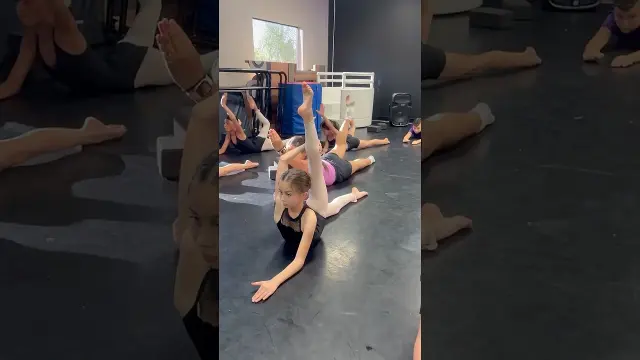
 Backbend Flexibility and Dancer Exercises
#Dancers
1 ideas
Backbend Flexibility and Dancer Exercises
Get new #Dancers ideas by email
Every Thursday: the week's best ideas, with the newest from #Dancers.
Related tags
A Beginner's Guide to Dance and the People Who Do It
Dance is one of the oldest things people do together. Before writing, before instruments as we know them, there was rhythm kept with the body, feet on the ground, hands clapping, voices answering each other. Almost every culture has its own dance traditions, and most of them grew out of the same needs: celebration, mourning, worship, courtship, storytelling, and the simple pleasure of moving in time with others. A dancer, then, is not only a performer on a stage. It is anyone who has decided that movement is worth learning properly.
The main families of dance
Styles are usually grouped by what they train and where they come from. Ballet is the classical European technique, built on turned-out legs, upright posture and a named vocabulary of positions. Contemporary dance grew partly as a reaction to ballet's strictness and draws on gravity, breath and floor work. Modern jazz and tap came out of stage and street entertainment, the latter making the feet into a percussion instrument. Hip hop and street styles developed in social settings, where improvisation and personal style matter as much as technique. Social and partner dances, from waltz to salsa to tango, exist to be danced with other people at gatherings. Folk and traditional forms belong to specific regions and communities and are often learned inside families rather than studios.
What dancers actually practise
Read more
From the outside, dance looks like steps. From the inside, it is mostly three things. The first is alignment and control: where your weight sits, how your spine stacks, how you place a foot so your knee is safe. The second is mobility and strength, especially through the hips, ankles, shoulders and deep core; flexibility without strength is fragile, which is why good training pairs the two. The third is musicality, the ability to hear where a phrase begins and ends and to let the body answer it. Add memory and repetition and you have most of a class.
If you are just starting
- Warm up before you stretch, and stretch after you dance rather than before.
- Learn the basics slowly enough to feel them. Speed hides poor placement.
- Choose a style by the music you already love; you will practise more.
- Expect to be clumsy for a while. Coordination is built, not summoned.
- Take care of your feet and ankles, and rest when something hurts sharply.
- Try a few teachers before settling. A good class leaves you tired and clear, not confused and sore.
You do not need to be naturally flexible, young or graceful to begin. You need curiosity, a little patience, and the willingness to look slightly ridiculous in front of a mirror until the movement settles into your body. That settling is the whole reward.
#Dancers: frequently asked questions
Do I need to be flexible or naturally graceful to start dancing?
No. Flexibility and coordination are built through practice, not something you must arrive with. What actually matters at the beginning is curiosity and the patience to repeat basics slowly enough to feel them.
How do I choose which dance style to learn first?
Start with the music you already love, since you will practise far more of what you enjoy hearing. From there, think about whether you want a structured technique, floor work, footwork as rhythm, social partner dancing, or a form tied to your own community. Trying a class or two in different styles is a normal way to find out what suits you.
What should I do before and after a dance class to avoid hurting myself?
Warm up first and save the stretching for afterwards, when your body is already warm. Learn new steps slowly enough to feel your placement, and pay attention to feet, ankles and knees, resting whenever something hurts sharply rather than dull ache.
What do dancers actually train, beyond steps?
Most of the work is alignment and control: where your weight sits, how your spine stacks, how a foot is placed so the knee stays safe. Alongside that come mobility and strength through the hips, ankles, shoulders and core, plus musicality, which is the ability to hear where a phrase begins and end and answer it with the body.
How do I pick a good teacher or class?
Try a few teachers before committing, because the fit matters as much as the style. A good class leaves you tired but clear about what you worked on, rather than confused and sore.
What is the most common beginner mistake?
Rushing. Going fast hides poor placement, so errors get memorised instead of corrected. Expect to feel clumsy for a while, and treat that awkward stage as part of the process rather than a sign you are not suited to it.
Videos come from YouTube and posts from Instagram; titles and summaries are our own. All rights belong to their creators.