 Navigating Relationships with Avoidant Partners
#Dating Advice
3 ideas
Navigating Relationships with Avoidant Partners
 Understanding How Self-Reflection Transforms Romantic Relationships
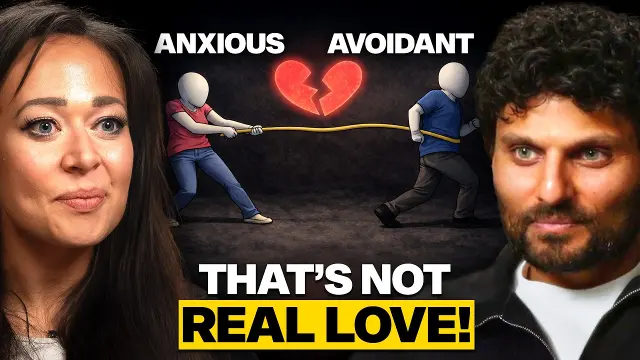 Understanding Anxious Attachment and Unavailable Partners
Get new #Dating Advice ideas by email
Every Thursday: the week's best ideas, with the newest from #Dating Advice.
Related tags
Dating Advice: A Practical Guide to Healthier Relationships
Dating advice is the accumulated guidance people share about meeting, choosing and building relationships with romantic partners. It has no single author: it borrows from psychology, from friendship and family wisdom, from letters and advice columns, and more recently from a large, uneven world of books, podcasts and forums. Because the field is crowded, the most useful advice tends to be the least spectacular — it is about clarity, honesty and knowing yourself, rather than tricks for making someone like you.
Understanding what you bring
Most dating advice starts with the person, not the partner. Your patterns come from somewhere: how affection was expressed around you as a child, what you learned from past relationships, what you were praised or criticised for. Attachment theory, one of the most widely discussed frameworks, describes how people tend to behave in closeness and distance — some leaning towards reassurance when a partner pulls away, others needing room when things feel intense. These are tendencies, not fixed labels, and they are useful mainly as a way to ask questions about yourself rather than to diagnose the person across the table.
What the main approaches offer
Read more
- Self-knowledge traditions focus on values, patterns and the story you tell about past relationships.
- Communication approaches teach listening, asking directly, and stating what you need without accusation.
- Boundary work names what is acceptable and what is not, and helps you hold that line kindly.
- Practical or social approaches cover where to meet people, how to start conversations and how to read interest.
- Compatibility approaches look at shared values, life plans and rhythms rather than chemistry alone.
None of these has a monopoly on truth. The healthiest habit is to test advice against your own experience and keep what holds up.
What beginners should know
Newness is not a flaw, and early dating is mostly information gathering. Notice how you feel after time with someone — calmer or more anxious, more yourself or more careful — and treat that as data. Ask questions and listen to the answers instead of filling silences with your own story.
Go slowly enough to stay honest. If you want a relationship, saying so plainly is not a demand; it saves everyone time. If you are unsure, say that too.
Practical habits
- Clarify what you are looking for before you start, so you can recognise it.
- Be direct in small things; it builds the habit for bigger ones.
- Notice whether someone's words and actions match, and pay more attention to the pattern than the promise.
- Keep your friendships and interests; a full life makes dating lighter, not heavier.
- Step back from anyone who ignores your boundaries or makes you feel small — no explanation is owed beyond your own judgement.
- Reflect after an ending on what you would repeat and what you would not.
Good dating advice rarely promises an outcome. It offers steadier ground: clearer needs, calmer conversations and a better sense of who fits your life.
#Dating Advice: frequently asked questions
How do I start dating if I have no experience?
Start by getting clear on what you want and what kind of connection feels right for you. Early dating is mostly about learning, so ask questions, listen carefully, and pay attention to how you feel after spending time with someone.
What should I know about myself before dating?
It helps to notice your patterns, values, and the kind of closeness that makes you feel secure. Reflecting on past relationships and how you respond to distance or intensity can make it easier to choose people who fit your life.
How do I choose the right kind of person to date?
Look beyond chemistry and notice whether your values, life plans, and daily rhythms line up. A good match usually feels steady, respectful, and easy to be honest with, not just exciting at first.
How can I tell if someone is genuinely interested?
Focus on consistency between what they say and what they do. Real interest usually shows up in follow-through, clear communication, and a willingness to make space for you rather than leaving you guessing.
What are common mistakes people make in dating?
A common mistake is ignoring boundaries or trying to force a connection that does not feel mutual. Another is filling in the blanks with assumptions instead of asking directly and letting the other person answer for themselves.
Videos come from YouTube and posts from Instagram; titles and summaries are our own. All rights belong to their creators.