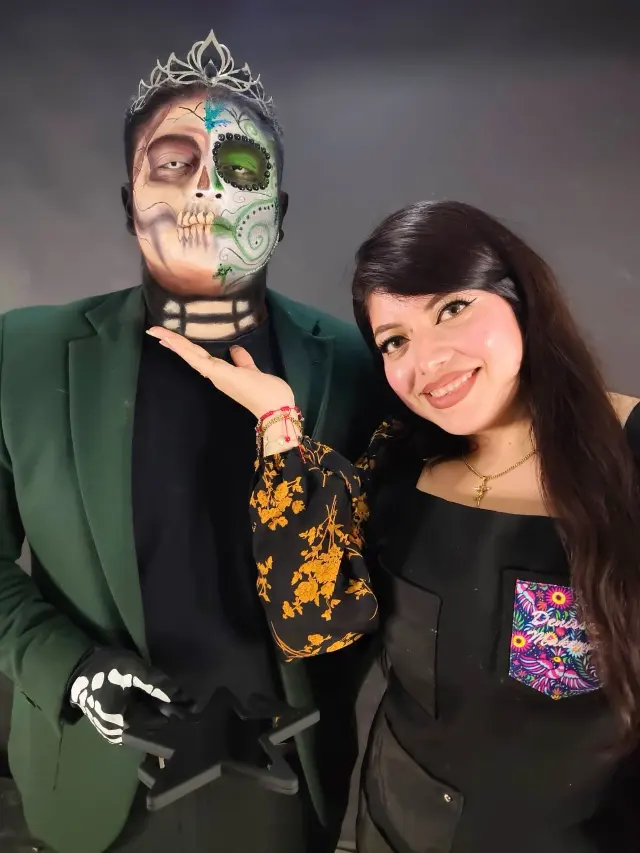
 Traditional Day of the Dead Catrina Makeup
#Day of the Dead
1 ideas
Traditional Day of the Dead Catrina Makeup
Get new #Day of the Dead ideas by email
Every Thursday: the week's best ideas, with the newest from #Day of the Dead.
Related tags
Day of the Dead Traditions and Meaning
What Day of the Dead is
Day of the Dead, or Día de los Muertos, is a traditional holiday that honors the memory of loved ones who have died. It is rooted in Indigenous customs from Mexico and later blended with Catholic traditions. Rather than being a time of fear or sadness alone, it is often a celebration of remembrance, family, and the continuing bond between the living and the dead.
The holiday is observed in many different ways depending on the region, family, and community. Some people prepare home altars, visit cemeteries, share food, tell stories, or take part in processions and gatherings. The heart of the tradition is not spectacle, but remembrance.
Main symbols and their meaning
Read more
Several symbols are closely associated with Day of the Dead. Each one carries a meaning that helps shape the spirit of the celebration.
- Altars, or ofrendas, are arranged to welcome and honor the departed.
- Photos remind families of the person being remembered.
- Candles are used to guide and light the way.
- Flowers, especially marigolds, are often placed for color, fragrance, and symbolism.
- Food and drink may be offered as a sign of care and hospitality.
- Sugar skulls and decorative skull imagery can represent the presence of death as part of life, not as something to hide.
These symbols are often arranged with great care, but there is no single correct way to create them. Families adapt the tradition to their own beliefs, memories, and customs.
Common traditions and styles
Day of the Dead can be very simple or highly decorative. Some homes feature small, personal altars with a few meaningful objects. Others create larger displays with layered decorations, textiles, paper cutouts, candles, and favorite foods of the person being honored.
In art and dress, the holiday is sometimes associated with skull makeup, skeletal imagery, and the elegant figure of La Catrina. These elements are widely recognized, but they are only part of a much larger tradition. For many people, the deeper meaning matters more than the look.
If you join a Day of the Dead gathering, you may see:
- family meals shared in memory of loved ones
- cemetery visits and grave cleaning
- music, prayer, and storytelling
- decorative paper banners and floral arrangements
What beginners should know
If you are new to the holiday, the most important thing is to approach it with respect. Day of the Dead is not simply a costume theme or a general Halloween-style decoration. It is a cultural tradition with deep meaning for many families.
A thoughtful approach begins with learning, observing, and asking questions when appropriate. If you want to create your own altar or decoration, focus on remembrance rather than imitation for its own sake. Use items that have personal meaning, and keep the mood warm, dignified, and sincere.
Practical tips for honoring the tradition
- Keep your display personal and simple if you are just beginning.
- Include names, photos, or objects that connect you to the person you are remembering.
- Use colors, flowers, and candles in a way that feels calm and respectful.
- If you wear makeup or dress for the occasion, treat the symbolism carefully.
- Learn from family members or community traditions when you can.
At its core, Day of the Dead is about memory, love, and continuity. It invites you to remember that those who are gone remain part of the family story, spoken of with care and kept close through ritual and recollection.
Videos come from YouTube and posts from Instagram; titles and summaries are our own. All rights belong to their creators.