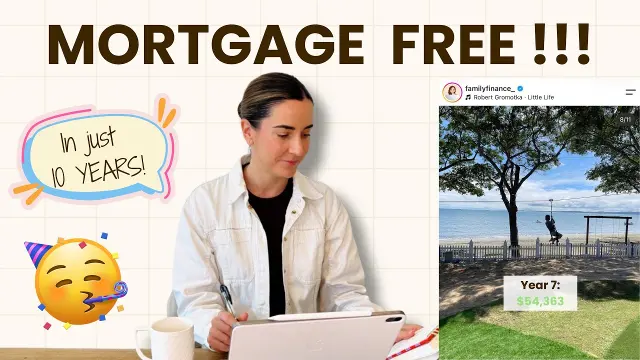
 How We Paid Off Our 30-Year Mortgage in Under Ten Years
#Debt Free
1 ideas
How We Paid Off Our 30-Year Mortgage in Under Ten Years
Get new #Debt Free ideas by email
Every Thursday: the week's best ideas, with the newest from #Debt Free.
Related tags
Living Debt Free
What it means to be debt free
Being debt free means you owe no money to lenders or credit providers. In simple terms, your income is yours to use, save, give, or spend without monthly debt payments getting in the way. For many people, debt freedom also brings a sense of calm, because there is less pressure from bills, interest, and due dates.
Debt can take many forms, such as credit cards, personal loans, car finance, student loans, or a mortgage. Some people aim to clear all debt completely, while others focus first on the kinds that cost the most or cause the most stress. The right path depends on your situation, but the general idea is the same: reduce what you owe and make sure new debt does not quietly replace old debt.
Why people aim for debt freedom
Read more
Many people want to be debt free because it gives them more choice. When you are not sending part of every paycheck to debt, it can be easier to handle emergencies, plan for the future, or make everyday spending feel more manageable. Debt freedom can also make budgeting simpler, since there are fewer fixed payments to remember each month.
It is also about peace of mind. For some, debt feels like a constant background pressure. Paying it off can make your money feel less scattered and more under your control.
Common ways to get there
There is no single correct method, but a few approaches are widely used:
- Make a clear list of everything you owe, including balances, interest rates, and minimum payments.
- Keep up with at least the minimum payments so you avoid extra fees and damage to your credit standing.
- Put any extra money toward one debt at a time, rather than trying to spread it too thin.
- Reduce unnecessary spending so more money is available for repayment.
- Build a small emergency fund if you can, so a surprise expense does not push you back into debt.
Some people prefer to start with the smallest balance for quick wins. Others focus on the highest-interest debt first to reduce cost over time. Either way can work if you stay consistent.
Habits that help you stay debt free
Once you have paid down debt, the next challenge is keeping it from creeping back. Helpful habits include living within your means, checking your budget regularly, and thinking carefully before borrowing. It also helps to save for irregular costs, such as travel, repairs, or gifts, so you do not need to rely on credit when those expenses appear.
A simple spending plan can make a big difference. You do not need a perfect budget; you just need one that tells your money where to go. Tracking your spending, even loosely, can help you notice patterns and avoid accidental overspending.
If you are just starting out
If debt feels overwhelming, begin with the basics. Gather all your account information, decide what your minimum payments are, and choose a realistic first step. You do not need to solve everything at once. Progress often comes from small, steady actions repeated over time.
Debt freedom is not only about numbers. It is also about building confidence, patience, and control. If you keep going, even slowly, the picture can change more than you expect.
#Debt Free: frequently asked questions
How do I actually start working toward becoming debt free?
Start by getting a complete picture: gather your account statements and write down every balance you owe, along with the interest each one carries, so nothing is hidden from you. Then decide on one realistic first step rather than trying to fix everything in a single month. The point of the first step is momentum, not perfection.
What do I need before I begin paying debt down?
You mainly need information and a simple plan: a full list of what you owe, a rough sense of what comes in and goes out each month, and an honest look at where your spending leaks. Keeping up with the required minimum on each account matters, because missing them adds costs and can affect your standing with lenders. A small cushion set aside for surprises also helps, since an unexpected bill is a common reason people slip back.
Which debt should I tackle first?
There are two widely used routes, and neither is wrong. Some people clear the smallest balance first because early wins keep them motivated, while others go after the balance that grows fastest so the overall cost shrinks sooner. Pick the one you will genuinely stick with, since consistency matters more than the method.
What mistakes do people make when trying to get out of debt?
A common one is spreading extra money thinly across every account instead of concentrating it, which makes progress hard to see. Another is clearing a balance and then quietly refilling it with new borrowing, so the effort cancels itself out. Skipping the minimum payments in favour of a grand plan is also risky, because the fees and penalties can undo the good work.
How do I stay debt free once the balances are cleared?
The habits matter more than the milestone. Live within what you earn, review your spending plan now and then, and save in advance for predictable irregular costs like travel, repairs or gifts so they don't send you back to borrowing. Think a situation through before taking on new credit rather than deciding in the moment.
Is being debt free really about more than money?
For a lot of people it is. Fewer fixed payments to track makes a budget simpler and everyday spending easier to manage, and many describe a sense of calm once the background pressure of due dates eases. It also tends to build confidence and patience, which are the same qualities that got you there in the first place.
Videos come from YouTube and posts from Instagram; titles and summaries are our own. All rights belong to their creators.