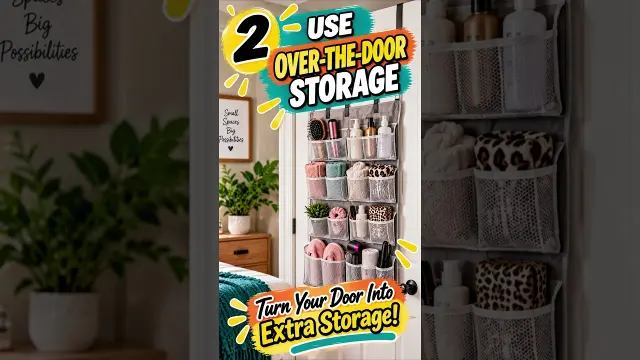
 Five Genius Storage Solutions and Ideas for Small Spaces
#Decorating
2 ideas
Five Genius Storage Solutions and Ideas for Small Spaces
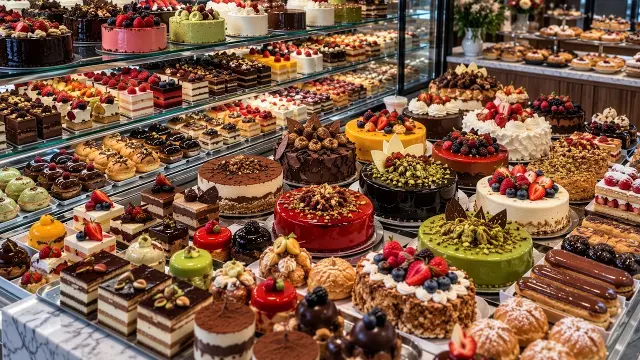 Master Patisserie Chefs Making Turkish Cakes from Scratch
Get new #Decorating ideas by email
Every Thursday: the week's best ideas, with the newest from #Decorating.
Related tags
Decorating: styles, ideas and simple principles
Decorating is the art of shaping a space so it feels both beautiful and comfortable. It can mean styling a room, choosing colours and finishes, arranging furniture, or adding the details that make a home feel personal. Good decorating is not only about appearance; it also helps a room work better for the people who live in it.
What decorating means
At its heart, decorating is about visual harmony. You are combining shape, colour, light, pattern and texture to create a certain feeling. Some rooms are meant to feel calm and simple, while others are lively and full of character. The best decorating always starts with how you want the space to feel and how it will be used.
Decorating has long been part of home life in many cultures, from painted walls and patterned textiles to handmade objects and carefully chosen furniture. Today, decorating can be traditional, modern, eclectic or minimal, but the basic goal is the same: to make a space feel intentional.
Read more
Common decorating styles
There are many ways to decorate, and you do not need to follow one style exactly. A few familiar approaches include:
- Classic decorating, with balanced furniture, timeless shapes and layered details
- Minimal decorating, with clean lines, open space and a restrained colour palette
- Rustic decorating, with natural materials, warmth and a lived-in feeling
- Eclectic decorating, which mixes different periods, colours and objects in a personal way
- Contemporary decorating, which tends to feel simple, current and uncluttered
You can also blend styles. A room often feels more natural when it reflects your own habits and tastes rather than a strict formula.
The basic elements to think about
If you are starting out, it helps to focus on a few simple principles:
- Colour: light colours can make a room feel airy, while darker tones can add depth and intimacy
- Scale: make sure furniture and accessories suit the size of the room
- Balance: spread visual weight evenly so one side of the room does not feel crowded
- Texture: mix smooth, soft, rough and reflective surfaces to add interest
- Light: natural and artificial light both shape how colours and materials look
A room usually feels more finished when these elements work together.
Practical tips for beginners
Start with what you already have. Often, a room improves when you edit rather than add more. Remove items that feel crowded or unnecessary, then build around the pieces you like most.
Choose a simple colour palette first, then repeat a few colours and materials around the room so everything feels connected. Artwork, cushions, rugs, curtains and lamps can be used to bring a space together without major changes.
Try to decorate in layers. Begin with the larger pieces, then add smaller objects, soft furnishings and personal items. Leave some empty space, because a room needs room to breathe.
Most importantly, decorate for everyday life. A beautiful home is easier to enjoy when it is comfortable, practical and easy to live with.
Videos come from YouTube and posts from Instagram; titles and summaries are our own. All rights belong to their creators.