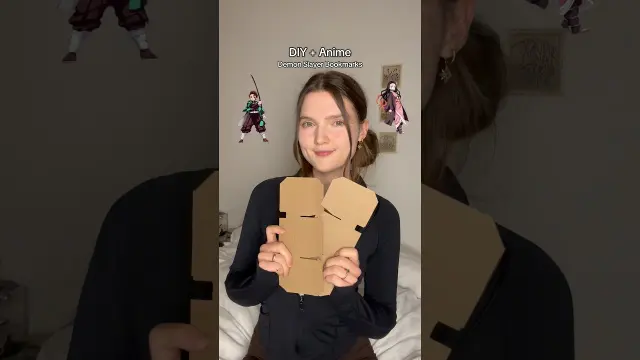
 Demon Slayer DIY Bookmarks Based on the Kamaboko Squad
#Demon Slayer
1 ideas
Demon Slayer DIY Bookmarks Based on the Kamaboko Squad
Get new #Demon Slayer ideas by email
Every Thursday: the week's best ideas, with the newest from #Demon Slayer.
Related tags
Demon Slayer: A Fan's Guide to the Fandom
Demon Slayer points to a Japanese manga series, later adapted into animation, that grew from a single serialised story into a worldwide fandom. The tale follows a young swordsman travelling a country of mountains, forests and old inns, hunting the creatures that turned his family's life upside down. Its visual language — Taishō-era clothing, paper lanterns, wooden houses, snowy passes — mixes historical atmosphere with something more fantastical, and that mixture is a large part of why it caught on so widely. The hashtag gathers what fans make of it: drawings, costumes, handmade objects, food, photographs and quiet tributes.
A story built on patterns
What makes the series so recognisable, and so easy to translate into craft, is its design vocabulary. Each character carries a pattern: a checked green-and-black cloth, a yellow triangle print, a butterfly wing motif, a flame or water swirl. Each fighting style has its own colour and gesture, so a single stroke of blue or a curl of orange can read instantly as a reference. Swords with dark blades and engraved guards, haori jackets worn over plain uniforms, and small details like earrings or ribbons do the rest. Once you notice the system, you start seeing it everywhere — and you can borrow it for almost any project.
What people make with it
Read more
Fan art comes first: ink and watercolour studies, digital illustration, sketchbook pages devoted to one character's expressions. Cosplay follows, from carefully sewn uniforms and hand-painted cloth to foam-and-resin blades made safe for conventions. Then there is the craft side — embroidered patches, painted bookmarks, paper lanterns, felt keyrings, decorated boxes and journals with patterned covers. Bakers press the motifs into cookies and cakes, sewists turn the checked cloth into bags and cushions, and photographers seek out old wooden buildings and misty mornings to set a scene.
Starting out
Pick one element rather than the whole character. A single pattern, a blade guard, a pair of earrings: something small enough to finish and recognise. Study the actual colours before you mix them — the palette is more muted than memory suggests, and a soft indigo or dusty pink usually lands closer than a bright one. If you are sewing, buy a little extra fabric so the pattern can be matched at the seams; if you are painting, work light to dark and let layers dry. For cosplay, comfort and safety matter more than accuracy: lightweight props, secure fastenings, and shoes you can stand in for hours.
A few honest notes
Credit the original work when you share, and keep fan-made pieces for personal use rather than selling copies of someone else's designs. Many conventions have rules about prop size and materials, so check before you travel. And take your time — the pleasure here is in the making, in learning a new technique because a character asked for it.
Videos come from YouTube and posts from Instagram; titles and summaries are our own. All rights belong to their creators.