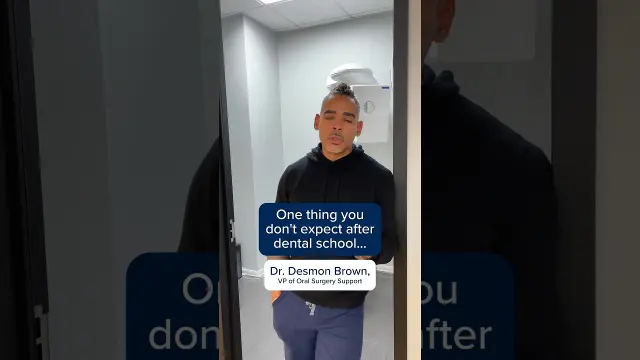
 What Hands-On Continuing Education Looks Like for Dentists
#Dental Education
1 ideas
What Hands-On Continuing Education Looks Like for Dentists
Get new #Dental Education ideas by email
Every Thursday: the week's best ideas, with the newest from #Dental Education.
Related tags
Dental Education: A Guide to Learning About Oral Health
Dental education is the broad field of learning devoted to the teeth, gums, mouth and jaw — both the professional training that produces dentists and hygienists, and the everyday knowledge the rest of us use to look after our own mouths. It sits at the meeting point of biology, materials science, craft and prevention, which is why it can feel both scientific and surprisingly practical.
What dental education covers
For a future clinician, the subject begins with the basics: anatomy of the head and neck, the structure of enamel, dentine and pulp, how saliva protects the mouth, and how diet and bacteria interact on a tooth surface. From there come the clinical subjects — recognising decay and gum disease, reading radiographs, local anaesthesia, restorative work, extractions, prosthetics and orthodontics — alongside the less obvious ones: communication, ethics, record keeping and the management of anxious patients. A good programme keeps prevention at the centre rather than treating it as an afterthought, because most dental disease is largely avoidable and often slowly reversible in its earliest stages.
How dentists are trained
Read more
Training usually moves through three phases that repeat at increasing depth. The first is classroom science. The second is simulation, where students practise on models and mannequins before touching a real patient. The third is supervised clinical work, initially on simpler procedures and gradually on more complex cases. After qualifying, many dentists continue with continuing education — short courses, hands-on workshops, study clubs and conferences — because techniques and materials keep being refined. The habit of learning, in other words, does not end with a degree.
Learning for everyone else
You do not need a clinical background to benefit from dental education. The everyday version is fairly simple and remarkably durable:
- Brush twice a day with a fluoride toothpaste, gently and thoroughly rather than hard.
- Clean between the teeth daily, with floss, interdental brushes or whatever your dentist recommends for your mouth.
- Keep sugary foods and drinks to mealtimes rather than sipping or snacking through the day.
- Do not smoke, and limit alcohol.
- See a dental professional for regular check-ups, even when nothing hurts.
What beginners should know
Two ideas are worth absorbing early. First, dental problems are often silent until they are well established, which is why check-ups matter more than symptoms. Second, the mouth is not separate from the body: gum health, diet, medication and general wellbeing all influence each other. When you read about dental topics, look for explanations that distinguish between what is well established and what is still debated, and treat dramatic claims with caution. For anything concerning your own teeth or gums, ask a qualified professional who can examine you — general information supports good decisions but cannot replace an examination.
Learning about your mouth is one of the more useful kinds of education there is: cheap, practical, and rewarded every time you smile.
#Dental Education: frequently asked questions
What exactly does dental education cover?
It spans two connected worlds: the professional training that produces dentists and hygienists, and the everyday know-how anyone can use to look after their own mouth. The subject draws on anatomy, materials science, biology and prevention together, which is why it can feel technical one moment and very practical the next.
How does someone actually become a dentist?
Training generally moves through classroom science first, then practice on models and mannequins, and only then supervised work with real patients, starting with simpler procedures. Each stage repeats the same ideas at greater depth, so understanding builds rather than being replaced.
What does learning look like after a dentist has qualified?
Qualification is a starting point rather than an end, because techniques and materials keep being refined. Dentists commonly keep learning through short courses, hands-on workshops, study clubs and conferences, often focusing on practical skills they can apply straight away.
Do I need a science background to learn about dental health?
Not at all — the everyday version of dental education is simple and stays useful for a lifetime. Brushing gently and thoroughly, cleaning between the teeth, keeping sugary things to mealtimes, avoiding smoking and going for regular check-ups cover most of what matters.
What mistakes do beginners make when reading about dental topics?
The most common one is waiting for pain before acting, when dental problems are often silent until they are well established. Another is forgetting that the mouth is connected to the rest of the body, and a third is trusting dramatic claims instead of explanations that separate what is settled from what is still debated.
Can general information replace a visit to a dental professional?
No — reading about teeth and gums helps you make better decisions, but it cannot examine your mouth. For anything concerning your own teeth or gums, ask a qualified professional who can actually look and advise you.
Videos come from YouTube and posts from Instagram; titles and summaries are our own. All rights belong to their creators.