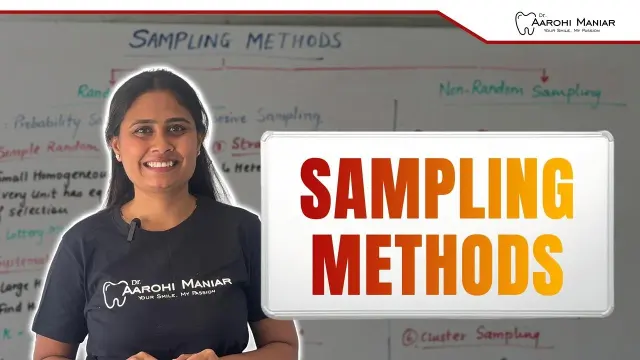
 Sampling Methods in Public Health Dentistry
#Dentistry
1 ideas
Sampling Methods in Public Health Dentistry
Get new #Dentistry ideas by email
Every Thursday: the week's best ideas, with the newest from #Dentistry.
Related tags
Understanding Dentistry: A Beginner's Guide to Oral Care
Dentistry is the branch of healthcare concerned with the teeth, gums, and the tissues of the mouth and jaw. It combines prevention, diagnosis, treatment, and repair — and it reaches further than most people assume. Oral health touches how you eat, speak, sleep, and feel about your appearance, which is why dentists work alongside hygienists, therapists, and specialists rather than in isolation.
Where it comes from
People have treated teeth for a very long time. Archaeological finds show drilled teeth and early replacements in ancient civilisations, and written medical traditions from several parts of the world describe rinses, pastes, and extraction techniques. What changed over the centuries was not the basic aim — a clean, functioning mouth — but the tools and the understanding behind them. Modern dentistry grew out of surgery and medicine together, and it gradually separated into the structured professions we recognise today, with formal training, licensing, and a strong emphasis on prevention rather than repair alone.
The main branches
Read more
Most people meet general dentistry first: check-ups, fillings, cleaning, and advice. From there, the field divides in several directions.
- Preventive dentistry focuses on keeping problems from starting — cleaning, sealants, fluoride, and guidance on habits.
- Orthodontics deals with the alignment of teeth and jaws, often through braces or clear aligners.
- Periodontics looks after the gums and the bone that supports teeth.
- Endodontics concerns the inside of the tooth, including root canal treatment.
- Prosthodontics replaces missing teeth with crowns, bridges, or dentures.
- Oral and maxillofacial surgery covers extractions and operations on the jaw and face.
- Paediatric dentistry is tailored to children, and dental public health looks at whole communities rather than individuals.
What beginners should know
The single most useful idea in dentistry is that small habits beat big interventions. Brushing twice a day with a fluoride toothpaste, cleaning between the teeth once a day, and limiting how often you eat sugary things will do more for your mouth than any product you can buy. Regular check-ups matter less for the treatment they provide than for what they catch early, when it is simpler and cheaper to fix.
Be honest with your dentist about pain, sensitivity, grinding, or nervousness — none of it is unusual, and all of it changes what they recommend. Ask what a treatment involves and what happens if you wait. If you feel rushed or unheard, it is reasonable to seek a second opinion.
Practical habits that last
Keep your brush in good condition and replace it when the bristles splay. Drink water through the day. If you play contact sports, ask about a mouthguard. And treat your mouth as part of your general health rather than a separate project — what you eat, how you sleep, and how often you see a professional all show up there first.
#Dentistry: frequently asked questions
How do I start taking better care of my teeth?
Start with the routine rather than the products: brush thoroughly morning and night with a fluoride toothpaste, clean between your teeth daily, and cut down on how often you eat sweet things. Consistency matters far more than buying anything special, and a routine you actually keep beats an ambitious one you abandon.
Which kind of dentist do I need?
Begin with general dentistry — check-ups, cleaning, and everyday advice — since that is where most concerns are first looked at. If something falls outside that, such as alignment, gum problems, or missing teeth, your general dentist can point you toward the right branch, from orthodontics to periodontics or prosthodontics.
How should I prepare for a dental appointment?
Be straightforward about anything you have noticed — pain, sensitivity, grinding, or simply feeling nervous — because none of it is unusual and all of it shapes what gets recommended. Ask what a treatment involves and what happens if you wait, and if you feel rushed or unheard, it is reasonable to get a second opinion.
How do I look after braces or a mouthguard?
Anything removable, from aligners to mouthguards, needs regular cleaning and safe storage so it stays effective and comfortable. Keep your regular brushing and interdental cleaning going throughout, and ask your dentist or orthodontist how to care for the specific appliance rather than guessing.
What mistakes do people new to dental care make?
The common ones are treating the mouth as a separate project from general health, and only visiting a professional once something hurts — check-ups are more useful for what they catch early than for the treatment itself. Waiting for a problem to become urgent usually makes it harder and more costly to sort out than it needed to be.
Videos come from YouTube and posts from Instagram; titles and summaries are our own. All rights belong to their creators.