 Dermatologist Morning and Night Skincare Routine Guide
#Dermatology
11 ideas
Dermatologist Morning and Night Skincare Routine Guide
 Exploring the Benefits and Uses of Azelaic Acid
 Five Daily Habits Causing Faster Skin Aging and Solutions
 Seven Essential Skincare Products Recommended by Dermatologists
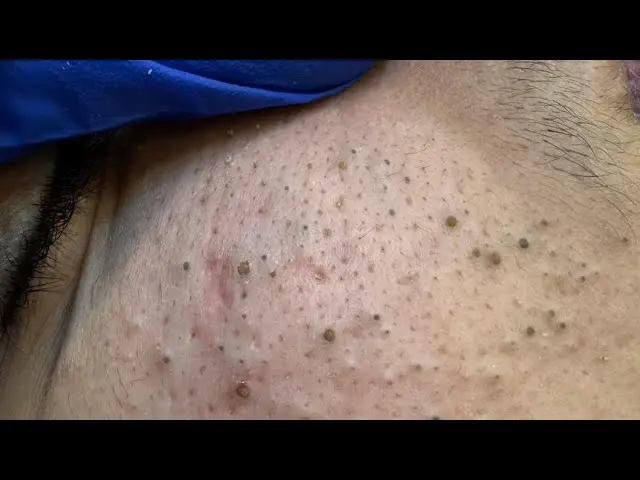 Specialized Clinic Procedures for Deep Cleaning Blackheads
 Why You Should Never Rip Off Plantar Warts
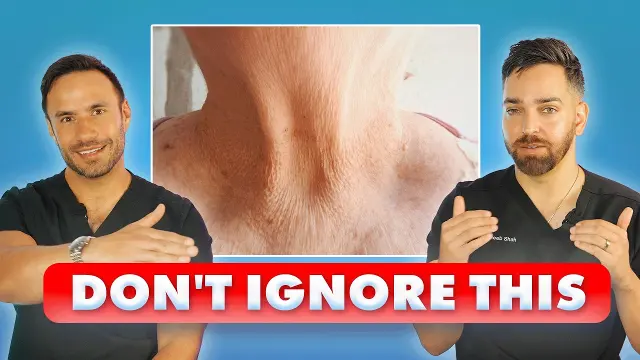 Ultimate Dermatologist Guide on How to Fix Crepey Skin
 Ultimate Skincare Ingredient Guide Based on Skin Concerns
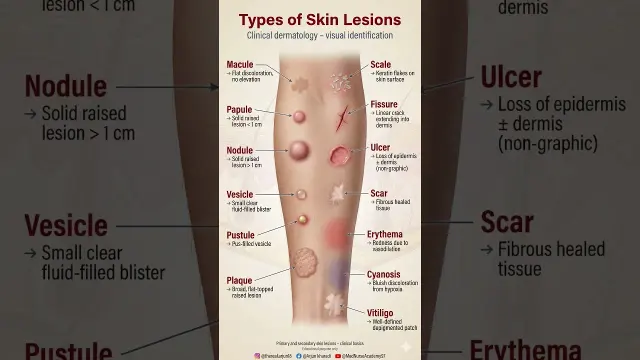 Essential Skin Lesions Guide for Medical and Nursing Students
 Dermatological Product Guide for Common Skin and Hair Concerns
 A Simple Science-Backed Four-Step Skincare Routine
Get new #Dermatology ideas by email
Every Thursday: the week's best ideas, with the newest from #Dermatology.
Related tags
Dermatology: Understanding Skin, Hair, and Nails
Dermatology is the branch of medicine that focuses on the skin, hair, and nails. Because these parts of the body are constantly exposed to the environment, they can show irritation, dryness, infection, allergy, and other changes quite easily. Dermatology looks at both the appearance and the health of these tissues, helping people understand everything from everyday skin care to more complex conditions.
What dermatology covers
A dermatologist is a doctor who diagnoses and treats conditions affecting the skin, scalp, hair, and nails. This can include rashes, acne, eczema, psoriasis, fungal infections, hair loss, nail problems, sun damage, and moles that need monitoring. Dermatology also includes cosmetic concerns, such as scars, discoloration, and signs of aging, although the main focus is always skin health.
Skin is not only a protective covering. It helps regulate temperature, keeps moisture in, and acts as a barrier against injury and germs. When something affects the skin, the cause may be simple, such as dryness or friction, or it may be linked to allergy, infection, or an internal condition. That is why dermatology often involves close observation of patterns, texture, color, and timing.
Read more
Common areas of care
Dermatology can be grouped into a few broad areas:
- Medical dermatology: conditions such as acne, eczema, psoriasis, rosacea, infections, and hair or nail disorders
- Surgical dermatology: removal of suspicious growths, cysts, or other skin lesions
- Cosmetic dermatology: care for scars, pigmentation changes, fine lines, and other appearance-related concerns
- Preventive dermatology: sun protection, skin checks, and habits that support long-term skin health
What to know as a beginner
If you are starting to pay closer attention to your skin, the most useful habit is to notice what changes and when. Does a rash come and go? Is dryness worse after washing? Does a product sting or cause redness? These details can help you understand possible triggers.
For everyday care, keep things simple and gentle:
- Cleanse with a mild cleanser if your skin feels dirty or oily
- Moisturize regularly if your skin feels dry, tight, or irritated
- Protect your skin from the sun with sensible shade and protective clothing
- Avoid over-scrubbing, which can worsen sensitivity
- Introduce new products one at a time so you can see how your skin reacts
When to seek professional advice
Some skin changes are minor and temporary, but others deserve expert attention. It is wise to see a dermatologist if a spot changes in size, shape, or color; if a rash is persistent, painful, or spreading; if acne is severe; if hair loss is sudden or patchy; or if a nail becomes thickened, discolored, or lifts from the nail bed.
Dermatology is useful because it combines careful diagnosis with practical treatment. Even when a skin concern seems small, getting the right explanation can save you time, discomfort, and unnecessary guesswork. With the right guidance, you can better care for your skin and notice changes early.
Videos come from YouTube and posts from Instagram; titles and summaries are our own. All rights belong to their creators.