 Reflecting on a Long Product Design Career
#Design Career
16 ideas
Reflecting on a Long Product Design Career
 Design Career Tactics for Graphic Designers
 Graphic Design Career Paths Explained
 How to Get Unstuck in Your Mid-Career Design Path
 My Freelance Web Design Career Journey
 Three-Month Graphic Design Career Roadmap
 What Nobody Tells You About Interior Design Careers
 The Truth About Making a UX Design Career Switch
 Modern Design Career Roadmap for Beginners
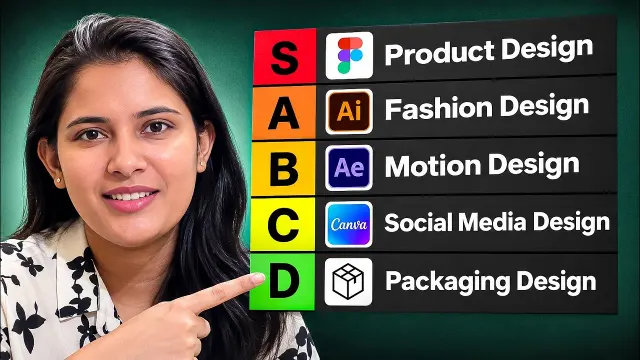 Ranking Top Design Careers for Future Demand
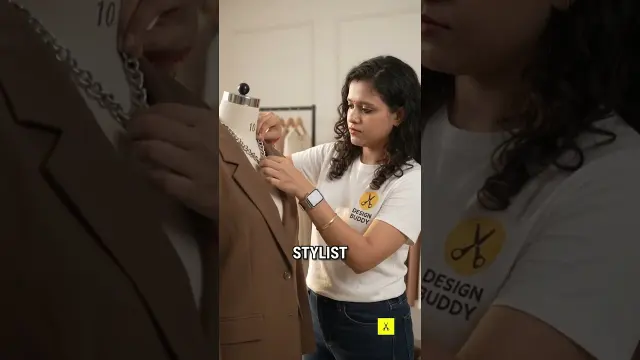 Exciting Fashion Design Career Options Beyond Designing
 UI and UX Design Roadmap for 2026
 Stepping Away From My Product Design Career
 Instructional Design Careers and High-Paying Roles
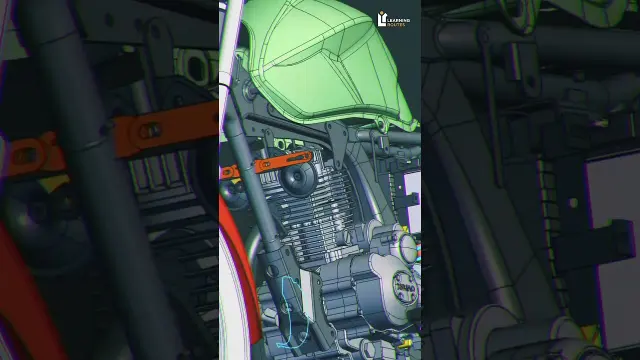 Highest-Paying Design Careers and Roles
 Graphic Design Roadmap and Advice for 2026
Get new #Design Career ideas by email
Every Thursday: the week's best ideas, with the newest from #Design Career.
Collections
Related tags
Building a Career in Design
What a design career means
A design career is a broad path that combines creativity, problem-solving, and clear communication. Designers shape how things look, feel, and work, whether they are creating graphics, products, interiors, textiles, digital experiences, or visual identities. At its core, design is about making ideas useful and appealing at the same time.
The word design covers many different roles. Some designers focus on visual style, while others work on structure, usability, or the way people move through a space or interact with an object. Because of this, a design career can look very different from one person to another.
Common areas in design
Read more
If you are considering design as a career, it helps to know the main areas you might explore:
- Graphic design, which focuses on visual communication through images, type, and layout
- Interior design, which plans and shapes indoor spaces for function and atmosphere
- Product design, which develops useful objects and often balances form, materials, and function
- Fashion design, which creates clothing and accessories
- Web and digital design, which shapes online experiences and interfaces
- Illustration and visual art, which can support editorial, branding, or commercial work
Many designers move across more than one area over time. Your skills in composition, colour, drawing, or digital tools can often transfer from one field to another.
What beginners should know
If you are just starting, it is easy to think that design is only about talent. In reality, design careers are also built on practice, curiosity, and the ability to receive feedback. You do not need to master everything at once. It is usually better to build a strong foundation and improve steadily.
A beginner benefits from learning a few basics well:
- Composition and balance
- Colour and contrast
- Typography and readability
- Materials or digital tools relevant to your chosen area
- How to explain your ideas clearly
It also helps to look closely at everyday objects and ask why they work. Good design is often invisible because it feels natural to use.
Building your skills and portfolio
A portfolio is one of the most important parts of a design career. It shows how you think, solve problems, and present your work. A strong portfolio does not need to be large, but it should be thoughtful and well organised.
Include work that shows range and consistency. If you have academic projects, personal projects, or freelance work, choose pieces that reflect your interests and strengths. It is often useful to show process as well as final results, because employers and clients want to understand how you reached your decisions.
To grow your skills, try these habits:
- Practice regularly, even with small exercises
- Study examples of good design with a critical eye
- Ask for feedback and revise your work
- Learn to present your ideas simply and confidently
- Keep exploring different styles before settling into your own voice
Working in a design career
Design work often involves collaboration. You may work with clients, teams, writers, developers, makers, or other creatives. That means communication matters as much as visual skill. Listening carefully, asking useful questions, and managing your time well are all valuable professional habits.
A design career can be freelance, in-house, or studio-based. Each path has its own rhythm. Freelance work may offer flexibility, while a team role can give you structure and mentorship. Many people move between these options as their careers develop.
A steady way forward
Design careers grow over time. You do not need to have everything figured out at the beginning. If you keep learning, make work regularly, and stay open to critique, you will build both skill and confidence. The most lasting careers in design are usually grounded in curiosity, patience, and a genuine interest in helping ideas take shape.
#Design Career: frequently asked questions
How do I start a design career if I have no experience?
Start with a small, specific area rather than trying to learn everything at once, and build a foundation in composition, colour, type, and the tools that area relies on. Practise regularly with short exercises and study everyday objects and existing work with a critical eye. Then put a few of those efforts into a simple portfolio so people can see how you think, not just what you made.
Do I need a formal degree to work as a designer?
Not necessarily — what employers and clients usually want to see is a body of work that shows judgement and process, plus the ability to explain your decisions clearly. Structured study can help you build habits and get feedback quickly, but self-directed practice and real projects can serve a similar purpose. What matters most is that your portfolio is thoughtful and that you can talk about it.
How do I decide which kind of design to pursue?
Try small projects across a few areas — something visual, something spatial, something digital — and notice which ones you keep returning to when no one is assigning them. Because skills in composition, colour, and tooling transfer between fields, choosing one direction early is less final than it feels. Many designers shift areas more than once over a career, and that range often becomes an advantage.
How do I build a portfolio when I have no professional clients?
Personal projects, coursework, and small freelance or volunteer pieces all count, as long as you choose work that reflects genuine interests rather than filling space. Show your thinking alongside the final outcome: rough sketches, alternatives you rejected, and the reasoning behind your choices. A short, well-edited selection usually reads as stronger than a large collection of unrelated pieces.
What mistakes do beginners in design most often make?
The common ones are chasing a striking style before the basics are solid, and treating critique as a verdict on your ability rather than information about the work. Another is presenting only polished final images, which hides the problem-solving that actually interests people hiring you. Building steadily and revising openly tends to move things along faster than trying to look finished too soon.
How do I keep a design career moving once I'm established?
Keep making things outside of paid work, because personal projects are where new directions usually appear first. Ask for honest feedback from people whose judgement you respect, and learn skills adjacent to your own so you can take on broader problems. Changing between freelance, studio, and in-house arrangements at different points is also a normal way to gain fresh perspective.
Videos come from YouTube and posts from Instagram; titles and summaries are our own. All rights belong to their creators.