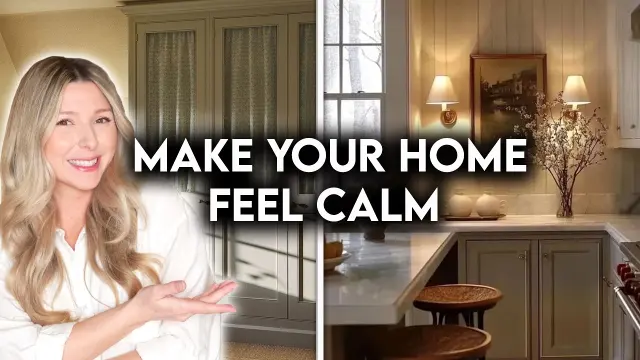
 Designer secrets and hacks for a calm home interior
#Design Secrets
2 ideas
Designer secrets and hacks for a calm home interior
 Professional Christmas Decorating Tips and Designer Secrets
Get new #Design Secrets ideas by email
Every Thursday: the week's best ideas, with the newest from #Design Secrets.
Related tags
Design Secrets for a Beautiful Home
What design secrets really are
Design secrets are the small decisions that make a room feel thoughtful rather than simply put together. They are not tricks reserved for professionals. They are simple principles about balance, proportion, color, light, texture, and layout that help a home feel comfortable and coherent.
Good design usually starts with purpose. A room should work for the way you live, not just look good in a photo. When you understand how shape, scale, and spacing affect a space, you can make better choices with furniture, accessories, and finishes.
The main principles to know
Read more
One of the most useful ideas in interior design is balance. A room feels calmer when visual weight is shared evenly, even if the pieces are not identical. That might mean pairing a large sofa with a substantial lamp, or balancing a busy pattern with simpler surfaces.
Scale matters too. Furniture that is too large can overwhelm a room, while pieces that are too small can make it feel unfinished. Before buying anything, measure the space and think about how each item relates to the room as a whole.
Another key secret is repetition. Repeating a color, material, or shape helps different parts of a room feel connected. You do not need everything to match exactly. A few recurring elements are often enough to create harmony.
Color, light, and texture
Color changes the mood of a room more than many people expect. Soft, neutral palettes often feel restful, while deeper or brighter colors can add drama or energy. A good approach is to choose one main base and then add smaller accents around it.
Light is equally important. Natural light can make colors appear warmer or cooler, and layered lighting helps a room feel useful at different times of day. Try to combine general light with task lighting and softer accent light so the space feels flexible.
Texture brings life to simple rooms. Smooth, rough, matte, shiny, soft, and hard surfaces all add interest. Even a restrained color scheme can feel rich when it includes linen, wood, metal, glass, or woven materials.
Practical tips for beginners
- Start with the biggest pieces first, especially furniture and rugs.
- Leave enough empty space so the room can breathe.
- Use one focal point, such as a fireplace, artwork, bed, or window.
- Group smaller objects instead of scattering them everywhere.
- Edit regularly. Removing a few items often improves a room more than adding more.
- Mix personal pieces with practical ones so the room feels lived in, not staged.
A simple way to think about it
The best design secrets are usually about restraint and attention. You do not need to fill every corner or follow every rule perfectly. If you focus on proportion, harmony, and comfort, you can create a home that feels polished without losing warmth. The goal is not perfection, but a space that supports everyday life and still feels beautiful to you.
Videos come from YouTube and posts from Instagram; titles and summaries are our own. All rights belong to their creators.