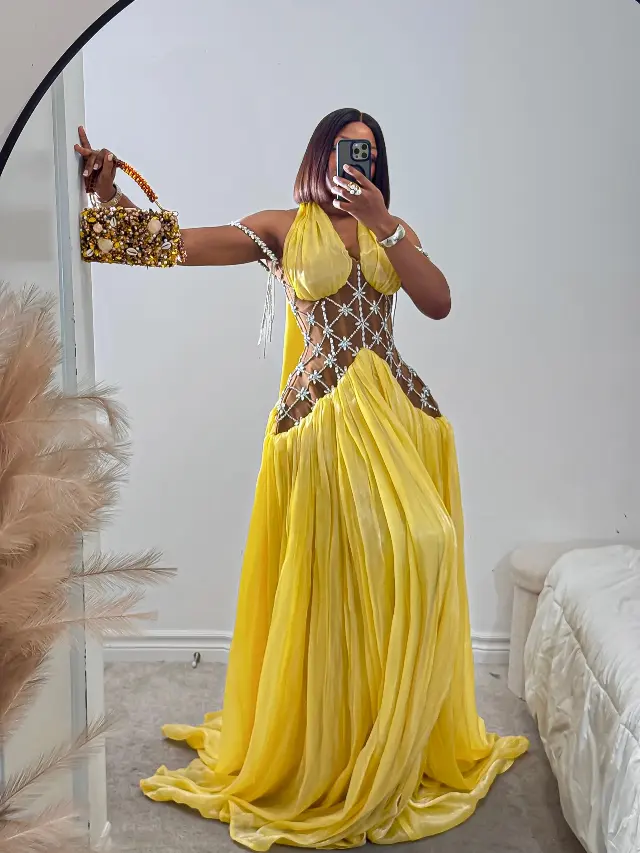
 Stunning African Designer Dress and Beaded Luxury Bag
#Designer Dress
1 ideas
Stunning African Designer Dress and Beaded Luxury Bag
Get new #Designer Dress ideas by email
Every Thursday: the week's best ideas, with the newest from #Designer Dress.
Related tags
Designer Dress Guide
What a designer dress is
A designer dress is a dress created with a clear design vision, careful attention to shape, fabric, and detail, and a stronger focus on style identity than an ordinary ready-made dress. The idea is not only to dress the body, but to create a look that feels polished, distinctive, and intentional. Designer dresses appear in many forms, from simple and elegant to dramatic and highly detailed.
The roots of designer fashion come from dressmaking traditions, couture tailoring, and the wider history of clothing made to fit, flatter, and express status or taste. Over time, designer dresses have become part of formal wear, special occasions, and everyday wardrobes for people who want something more refined than mass-produced basics.
Common styles and uses
Read more
Designer dresses can be made for many different occasions. Some are meant for evening wear, with flowing lines, rich fabrics, or bold structure. Others are designed for daytime elegance, using softer silhouettes and easier movement. You will also find fitted dresses, relaxed dresses, short dresses, long dresses, wrap dresses, and gowns with dramatic volume.
Some common style directions include:
- Minimal and classic: clean lines, simple shapes, and subtle detailing
- Romantic: soft fabrics, ruffles, lace, or gentle draping
- Structured: sharp seams, tailoring, and a defined silhouette
- Statement-making: striking shapes, colour, texture, or embellishment
- Cultural or artisan-inspired: dress designs that reflect traditional craft, embroidery, or regional dressmaking influences
A designer dress is often chosen for events where presentation matters, such as celebrations, formal gatherings, ceremonies, or important social occasions. It can also be part of a personal wardrobe when you want a piece that feels special and long-lasting.
What to look for when choosing one
If you are new to designer dresses, start with fit. A beautiful dress should suit your body shape, allow you to move comfortably, and feel balanced when you stand, sit, and walk. Pay attention to the shoulder line, waist placement, hem length, and how the fabric falls.
Fabric matters just as much as shape. Some materials hold structure well, while others drape softly. Heavier fabrics can create a formal look, while lighter fabrics often feel more fluid and relaxed. The best choice depends on the effect you want.
Details can make a dress feel luxurious, but too many can overwhelm the design. Look for thoughtful finishing, neat seams, and details that support the overall shape rather than distracting from it.
Practical tips for wearing and caring for it
- Keep the rest of your outfit simple if the dress is already detailed.
- Choose shoes and accessories that support the dress instead of competing with it.
- Try the dress with the undergarments you plan to wear, so the fit feels accurate.
- Check how the dress moves when you walk and sit, not just when standing still.
- Follow the care label closely, especially for delicate fabrics and embellishments.
- Store the dress carefully so it keeps its shape and finish.
A well-chosen designer dress should feel comfortable, flattering, and expressive. The best one is not simply the most elaborate, but the one that suits you and the occasion with ease.
Videos come from YouTube and posts from Instagram; titles and summaries are our own. All rights belong to their creators.