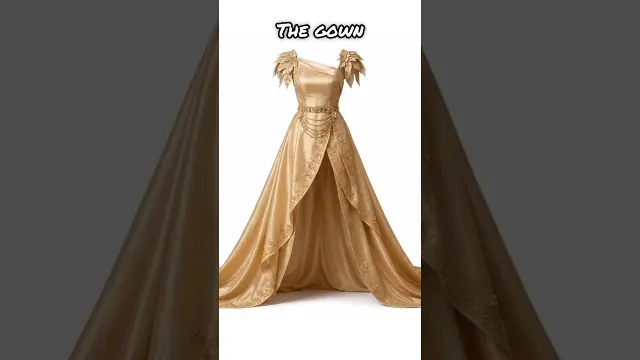
 Beautiful Golden Gown Palazzo Suit Design for Parties
#Designer Gown
1 ideas
Beautiful Golden Gown Palazzo Suit Design for Parties
Get new #Designer Gown ideas by email
Every Thursday: the week's best ideas, with the newest from #Designer Gown.
Related tags
Designer Gowns: A Guide to Silhouettes, Fabrics and Fit
A designer gown is a long dress made with deliberate attention to cut, fabric and finish. The word "designer" here describes intent rather than a label: the garment is drawn, fitted and constructed as a whole, instead of being a pattern run up quickly in whatever cloth is at hand. That is why a gown can feel different to wear from an ordinary long dress — the seams, the lining, the way the fabric falls and the balance of the neckline all work together.
A long history, many homes
Long robes and floor-length dresses appear in nearly every culture that has left images of itself, from ceremonial robes to formal evening dress. In Europe the gown became the standard shape for occasions, with rules about train length and sleeve that signalled formality. In South Asia, long flowing garments with fitted bodices and full skirts developed their own vocabulary, and the modern party gown often borrows from both traditions at once — an embroidered bodice on a fluid skirt, a cape instead of sleeves, a drape where a seam might otherwise sit.
The main silhouettes
Read more
- A-line: fitted at the bodice, gently widening to the hem. Forgiving and easy to move in.
- Ball gown: a full skirt, usually supported by layers of tulle or a light hoop. Formal and dramatic.
- Mermaid or fishtail: follows the body to the knee, then flares. Striking, but the least forgiving of fit.
- Sheath or column: falls straight from shoulder to hem. Best in fabric with some weight so it does not cling.
- Empire: the waist sits just under the bust, with the skirt falling from there. Comfortable and flattering in soft fabrics.
- High-low and cape styles: shorter at the front or finished with a cape, useful when you want drama without a train.
Fabrics and finish
Silk and satin catch light and drape heavily; chiffon, georgette and crepe move softly and hide the body's small irregularities; velvet brings depth but adds warmth; net, tulle and organza hold shape and volume. Embellishment — embroidery, sequins, beadwork, appliqué — gives weight as well as sparkle, and a heavily worked gown behaves quite differently from a plain one in the same silhouette.
What beginners should know
Start with the fit, not the fabric. Take your measurements and buy for the largest one, then have the gown taken in; letting out is far harder. Try it on with the shoes and undergarments you plan to wear, and walk, sit and climb a step or two before deciding. Check that the hem clears the floor at the front and that you can raise your arms. A gown should let you breathe and eat without discomfort through a long event. Look at the seams inside: neat finishing says more about quality than surface sparkle does.
Store long gowns on padded hangers or folded with tissue at the folds, keep beaded pieces away from damp, and steam rather than press embellished fabric. Finally, let one element lead — a full skirt, a strong colour, a detailed neckline — and keep the rest quiet.
#Designer Gown: frequently asked questions
How do I start choosing a designer gown if I have never worn one before?
Begin with the fit rather than the fabric or the sparkle, because a gown that sits correctly at the shoulders, bust and waist will look considered even in a simple cloth. Take your measurements and buy to the largest of them, then have the gown taken in, since letting a seam out is far more difficult than drawing it in. Try the shortlisted gowns with the shoes and undergarments you actually plan to wear so the hem and neckline read true.
Which silhouette should I pick for my body and the occasion?
A-line and empire styles are the most forgiving and easiest to move and sit in, while ball gowns give drama through volume and mermaid cuts follow the body closely and demand precise fitting. Sheath or column shapes work best in a fabric with some weight so the dress falls instead of clinging, and high-low or caped designs give presence without a train to manage. Match the shape to how much walking, sitting and stairs the event involves, not only to how it photographs.
What should I check before I commit to a gown?
Walk, sit and climb a step or two in the gown, and check that you can raise your arms and that the front hem clears the floor. Look at the inside finishing, since neat seams and a proper lining say more about quality than surface embellishment does. The gown should also let you breathe and eat comfortably across a long event, so test it while moving rather than standing still in front of a mirror.
How do I care for and store a designer gown?
Hang long gowns on padded hangers or fold them with tissue paper cushioned at the folds so the fabric does not crease along a hard line. Keep beaded and embellished pieces away from damp, and steam rather than press them, since a hot iron can flatten sequins, beadwork and appliqué. Store the gown clean, because oils and perspiration that seem invisible at first can darken certain fabrics over time.
What are the most common mistakes people make with a gown?
Buying for a smaller size and hoping to lose weight, or choosing an elaborate fabric before the fit is right, are the two that cause the most trouble. Overloading the look is another: let a single element lead, such as a full skirt, a strong colour or a detailed neckline, and keep everything else quiet. Skipping the shoes and undergarments during the fitting is a quieter error that shows up only on the day itself.
How can I style a gown for different kinds of occasions?
A heavily embellished or ball-skirted gown suits formal evening events where drama is welcome, while a plain sheath or empire style in a fluid fabric reads well at daytime celebrations and can be softened with simpler accessories. Capes, high-low hems and draped details give you presence without a train, which helps at parties where you will be moving around. Let the gown set the tone and keep jewellery, hair and outerwear restrained so the dress stays the focus.
Videos come from YouTube and posts from Instagram; titles and summaries are our own. All rights belong to their creators.