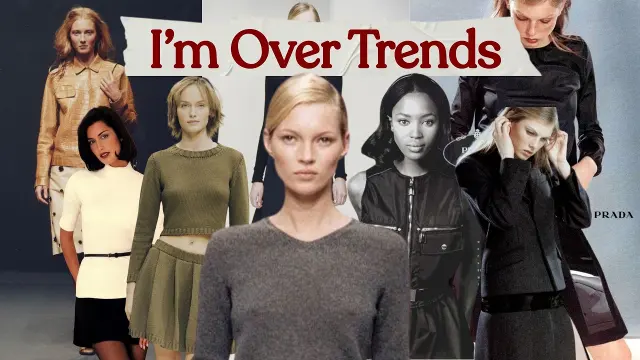
 Embracing simple silhouettes inspired by nineties Prada
#Designer Style
1 ideas
Embracing simple silhouettes inspired by nineties Prada
Get new #Designer Style ideas by email
Every Thursday: the week's best ideas, with the newest from #Designer Style.
Related tags
Designer Style: Bringing Runway Ideas Into Daily Life
What designer style actually is
Designer style is dressing from an idea rather than from a shopping list. Where mass fashion tends to smooth every garment into the safest possible version of itself, a designer collection is built around a point of view: a proportion, a mood, a way of cutting cloth that makes a shoulder sit differently or a skirt fall in an unexpected line. The clothes are the argument, not the decoration. You do not need the original piece to understand or wear that argument, which is why the look travels so well beyond the runway.
Where it comes from
The tradition runs through couture, where garments were made to a single body, and through tailoring, where structure does most of the work. Collections are still shown as complete stories, styled head to toe, photographed instantly and shared everywhere. This is worth remembering when you look at them: what you are seeing is a finished composition, often built for a camera and a moment, not a set of separate items meant to be worn exactly as shown.
Read more
Learning to read a look
Before you decide whether you like something, try to name what is doing the work. Usually it is one of a few things:
- Silhouette. Volume where you expect it, or its complete absence. A wide shoulder over a narrow line, a long coat over a short hem, a soft shape where structure is usual.
- Proportion. Hem lengths, sleeve lengths and where a waist is placed matter more than pattern or trim.
- Colour discipline. Strong collections often hold to two or three tones and let shape carry the interest.
- One idea per outfit. Two statements compete; one statement and a lot of quiet around it reads as confidence.
Making it your own
The practical translation is subtraction. Take a single element from a look you love — the collar, the length, the colour, the way a sleeve is set — and build an ordinary outfit around it. Keep the rest plain and well fitted. A strong piece against simple jeans, a plain knit and flat shoes usually looks more deliberate than a full imitation.
Fit decides everything. A garment that hangs correctly at the shoulder and is taken in at the waist will look expensive regardless of what it cost, so find someone who can alter clothes well and use them.
Mixing is not cheating. Designer style has always borrowed from workwear, sportswear and uniforms; returning the favour, wearing one considered piece with everyday ones, keeps a wardrobe from looking like a costume.
Judging quality without the label
Turn the garment inside out. Look at seam allowances, whether the pattern matches across a join, how a lining is attached, whether buttons feel solid and sit on a properly reinforced buttonhole. Feel the weight and the drape. Ask how it will look after twenty washes. These things tell you more than any name on a tag, and they are what make a piece worth keeping, repairing and wearing for years.
Where to begin
Choose one silhouette you genuinely enjoy wearing and explore it properly — a wide trouser, a long coat, a boxy jacket. Buy the best version of it you can afford and care for it. Personal style rarely comes from owning many ideas; it comes from knowing which one is yours.
#Designer Style: frequently asked questions
How do I start dressing in a designer-inspired way without buying a whole new wardrobe?
Begin with subtraction rather than addition: pick one element you love from a look — a collar shape, a hem length, a colour, the way a sleeve is set — and build an ordinary outfit around it, keeping everything else plain and well fitted. Most people already own the quiet pieces; the shift happens in how they are combined and how well they sit on the body.
What should I look for when judging whether a piece is actually well made?
Turn it inside out and examine the seam allowances, whether any pattern lines up across a join, and how the lining is attached. Check that buttons feel solid and sit on properly reinforced buttonholes, then judge the weight and drape of the cloth by hand. These details say far more about how a garment will wear than any label does.
How do I choose which silhouette to build my style around?
Start from what you already reach for without thinking — a wide trouser, a long coat, a boxy jacket — and explore that shape properly instead of collecting many different ideas. Buy the best version of it you can manage and look after it well. Personal style tends to come from knowing which single shape is yours, not from owning lots of them.
Is it acceptable to mix a special designer piece with ordinary everyday clothes?
Yes, and it usually looks more deliberate than a full imitation. Designer style has always borrowed from workwear, sportswear and uniforms, so wearing one considered piece against simple jeans, a plain knit or flat shoes keeps a wardrobe from reading as a costume. The contrast is what makes the single strong piece register.
What is the most common mistake people make when copying a runway look?
Trying to reproduce the whole outfit exactly as it was styled and photographed. Collections are shown as finished compositions built for a camera and a moment, not as separate items meant to be worn unchanged, and two statements in one outfit tend to compete rather than flatter. Take one idea from the look and let the rest stay quiet.
How do I keep designer-style clothes looking good over time?
Pay attention to fit first, since a garment that hangs correctly at the shoulder and is taken in at the waist reads as expensive no matter what it cost — find someone who alters clothes well and use them. Then think about upkeep before you buy: ask yourself how the piece will look after many washes and whether it can be repaired rather than replaced. Caring for fewer, better things is what keeps a wardrobe looking intentional.
Videos come from YouTube and posts from Instagram; titles and summaries are our own. All rights belong to their creators.