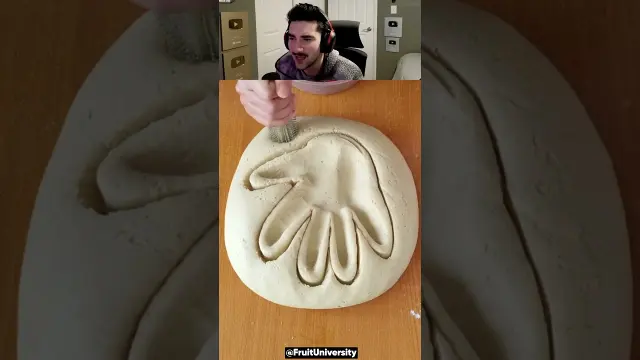
 Beautiful pastry art creation with Fruit University
#Dessert Design
2 ideas
Beautiful pastry art creation with Fruit University
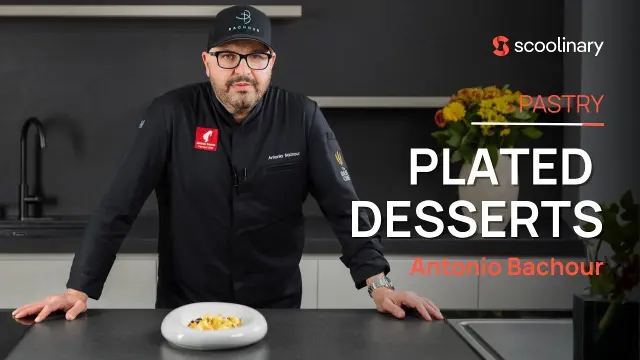 Creating Restaurant-Style Plated Desserts
Get new #Dessert Design ideas by email
Every Thursday: the week's best ideas, with the newest from #Dessert Design.
Related tags
Dessert Design: The Art of Beautiful Sweets
What dessert design is
Dessert design is the art of making sweets look as appealing as they taste. It includes the way a dessert is plated, layered, decorated, and finished, from a simple home bake to an elegant restaurant-style creation. Good dessert design brings together flavor, color, shape, texture, and proportion so that the final result feels complete and inviting.
This idea has long roots in both home cooking and professional pastry. In many culinary traditions, desserts have always been made to mark celebrations and special occasions, which naturally encouraged decorative touches. Over time, pastry makers developed more refined ways to shape creams, glazes, fruit arrangements, chocolate details, and plated presentations.
The main elements of a well-designed dessert
Read more
A well-designed dessert usually balances several things at once:
- Color: fresh fruit, sauces, chocolate, nuts, herbs, and creams can create contrast or harmony.
- Shape: round, square, layered, or sculpted forms can change the mood of a dessert.
- Texture: a good dessert often combines soft, crisp, creamy, and chewy elements.
- Height and structure: layers and vertical elements can make even a simple dessert feel more refined.
- Negative space: leaving part of the plate empty helps the eye focus on the dessert itself.
When these elements work together, the dessert feels intentional rather than crowded or random.
Common styles and approaches
Dessert design can take many forms. Some of the most common are:
- Rustic style: simple, relaxed, and slightly imperfect, often with fruit, cream, or a dusting of sugar.
- Classic plated style: neat portions with sauces, garnishes, and careful placement.
- Layered dessert style: visible strata of cake, cream, mousse, custard, or fruit.
- Sculptural style: taller, more decorative desserts with sharper lines or shaped components.
- Minimal style: a few well-chosen elements arranged cleanly for a modern look.
You do not need to use every technique at once. Often, the strongest desserts are the simplest ones, designed with clear purpose.
Practical tips for beginners
If you are starting out, begin with desserts that already have a solid shape, such as tarts, cakes, parfaits, or pavlovas. These are easier to decorate because they hold their form well. Start by choosing one main feature, then build around it. For example, a fruit tart may need only neat slicing, a glossy finish, and a few carefully placed garnishes.
A few useful habits:
- Use fresh, clean plates or serving dishes.
- Keep portions manageable so the dessert does not look crowded.
- Repeat colors or shapes to create order.
- Add garnishes only when they contribute flavor, texture, or balance.
- Chill or rest components when needed so the dessert stays tidy.
What to keep in mind
Dessert design should support the eating experience, not hide it. The best-looking dessert is one that feels thoughtful, balanced, and enjoyable to eat. If you are unsure, start with restraint: one strong flavor, one or two textures, and a clear presentation often work better than too many decorations. With practice, you will learn how to make sweets that feel both beautiful and satisfying.
Videos come from YouTube and posts from Instagram; titles and summaries are our own. All rights belong to their creators.