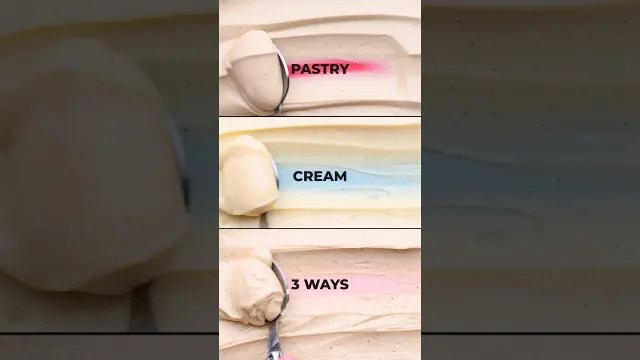
 Guide to classic French pastry creams including diplomat and mousseline
#Dessert Filling
1 ideas
Guide to classic French pastry creams including diplomat and mousseline
Get new #Dessert Filling ideas by email
Every Thursday: the week's best ideas, with the newest from #Dessert Filling.
Related tags
Dessert Fillings: Creams, Curds, Ganache and More
A dessert filling is the layer that gives a sweet bake its character — the soft centre inside a choux bun, the set custard under a glossy fruit tart, the swirl between sponge layers. It can be creamy, fruity, nutty or airy, but its job is always the same: to add moisture, flavour and texture to something that would otherwise be plain.
Where fillings come from
Most classic fillings grew out of a handful of basic preparations that European bakers refined over centuries. Custard, cooked cream thickened with eggs, is the ancestor of a whole family. So is the pairing of fruit with sugar, which preserves a season's harvest in jams, compotes and curds. Once you understand these foundations, you can improvise freely, because nearly every filling you meet is a variation on eggs, dairy, sugar, chocolate or fruit.
The main families
Read more
- Custard-based creams: pastry cream (crème pâtissière) is milk, sugar, egg yolks and starch cooked until thick. Add whipped cream and you get diplomat cream; add butter and you get mousseline, which pipes beautifully. Chiboust folds in meringue for a lighter set.
- Curds: lemon, lime or passion fruit cooked gently with eggs, sugar and butter until glossy and spoonable. Sharp, bright and excellent in tarts.
- Ganache: chocolate melted into warm cream. The ratio decides everything — more cream gives a soft filling, less gives a firm truffle-like texture.
- Buttercreams: creamed butter with sugar, custard or meringue. Sturdy enough to hold shape under fondant and in warm rooms.
- Fruit preparations: jams, compotes and fresh fruit layered with cream or set with a little thickener.
- Cheese and nut fillings: cream cheese mixtures for cakes and pastries, frangipane for tarts and croissants.
What beginners should know
Cook custards over moderate heat and stir constantly, especially at the edges, where they scorch first. If you fear curdling, whisk a little hot milk into the yolks first, then return everything to the pan. A thermometer helps but a careful eye helps more.
Strain pastry cream while it is still hot to remove any lumps, then press a sheet of plastic wrap directly onto the surface before chilling so no skin forms. Cold cream pipes better and holds its shape longer.
Chill filled pastries before slicing, and avoid overfilling — a generous but restrained layer is neater than one that spills. If a filling feels loose, a little extra starch, chilled cream or set fruit will firm it.
Taste as you go. Fillings are rarely baked again after assembly, so what you taste is what you serve. A pinch of salt, a squeeze of lemon or a drop of vanilla can lift a mixture that tastes flat.
Above all, keep notes. Once you find the ratio of cream to chocolate or starch to milk that suits your kitchen, you have a filling you can return to for years.
#Dessert Filling: frequently asked questions
What is dessert filling used for in cakes and pastries?
Dessert filling adds moisture, flavor, and texture to baked sweets, turning a plain shell or sponge into something more interesting. It can sit inside choux, between cake layers, or under fruit toppings to create contrast and balance.
How do I choose the right dessert filling for my recipe?
Choose the filling based on the texture and structure you want. Creamy fillings like pastry cream or mousseline suit layered pastries, while ganache, buttercream, curds, and fruit fillings each bring a different level of richness, sharpness, or stability.
What is the easiest dessert filling for beginners to make?
A simple fruit compote or a basic pastry cream is a good starting point because both use familiar ingredients and forgiving techniques. The key is to cook gently, stir well, and taste as you go so the flavor stays balanced.
How can I stop custard-based fillings from turning lumpy or curdling?
Cook custard fillings over moderate heat and keep stirring, especially around the edges where they can catch first. If you're worried about curdling, temper the yolks with a little hot milk before combining everything, then strain the filling while it is still warm.
What are common mistakes when making dessert fillings?
Overheating, under-stirring, and filling pastries before the mixture is properly chilled are some of the most common problems. Another mistake is overfilling, which can make desserts messy and hard to slice cleanly.
How should dessert fillings be stored and handled after making them?
Most fillings do best when chilled and covered so they keep their texture and stay fresh for assembly. Pressing wrap directly onto custard-style fillings helps prevent a skin from forming, and cold fillings usually pipe and slice more neatly.
Videos come from YouTube and posts from Instagram; titles and summaries are our own. All rights belong to their creators.