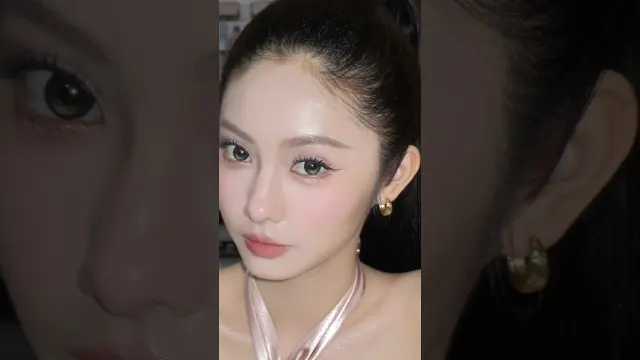
 Elegant Glass Skin Makeup Look With Soft Dreamy Eyes
#Dewy Makeup
1 ideas
Elegant Glass Skin Makeup Look With Soft Dreamy Eyes
Get new #Dewy Makeup ideas by email
Every Thursday: the week's best ideas, with the newest from #Dewy Makeup.
Related tags
Dewy Makeup: A Guide to Fresh, Luminous Skin
Dewy makeup describes a look built around skin that appears hydrated, soft and lit from within. Instead of mattifying the face into an even, powdery finish, it keeps a little reflection on the surface so the complexion reads as fresh and alive. The effect sits somewhere between bare skin and full coverage: the texture is visible, the light moves across it, and the result looks less like a mask than like good skin on a good day.
The style grew out of a wider interest in healthy-looking, well-moisturised skin rather than in correcting it, an approach long central to East Asian beauty routines and later absorbed into everyday makeup elsewhere. Its appeal is simple: a soft sheen flatters the natural contours of the face, makes features look softer in photographs, and suits almost everyone at almost any age, because it works with the skin instead of against it.
The finishes you will meet
Dewy is not one single look but a family of them. At the lightest end is a sheer, almost wet sheen, where a moisturiser or tinted balm does most of the work. In the middle sits what is often called glass skin: a smooth, translucent glow with very little visible coverage and a careful balance of hydration and gentle exfoliation. At the richest end is a satin, slightly creamy finish, where a hydrating foundation gives more evenness while still catching the light. All three depend far more on what happens underneath the makeup than on the products themselves.
Read more
Start with the skin
The single most useful thing a beginner can do is prepare the face properly. Cleanse gently, then apply a light moisturiser and give it a few minutes to settle before anything else goes on. Layering a thin hydrating product under makeup does more for a glow than any highlighter. If your skin tends toward oiliness, keep the layers thin and use a modest amount of powder only where you actually need it, since too much powder flattens the finish you were aiming for.
Placement matters more than quantity
Dewy makeup is about where the light lands. Apply a light base in the centre of the face and blend outward with fingertips or a damp sponge, pressing rather than sweeping so the product sits in the skin. Cream textures — blush, bronzer, a touch of highlight — melt into a hydrated base far better than powders and keep the surface looking continuous. Place highlight on the high points: the tops of the cheekbones, the bridge of the nose, the brow bone. A little on the centre of the eyelid and the inner corner lifts the whole face.
Keeping it looking intentional
The line between dewy and simply shiny is thin. If the glow collects on the forehead, nose and chin, a light dusting of translucent powder through the middle of the face restores balance while leaving the cheeks luminous. Set eye makeup and mascara as usual — a soft, softly defined eye keeps attention on the skin rather than competing with it. Carry blotting papers rather than more powder for touch-ups through the day, and remember that hydration, sleep and water do more for this look than any single product.
#Dewy Makeup: frequently asked questions
How do I start with dewy makeup if I usually wear matte products?
Begin with skin preparation rather than with new color products: cleanse gently, apply a light moisturizer, and let it settle before anything else goes on. Then swap your matte base for a lighter, more hydrating one and press it into the skin with fingertips or a damp sponge instead of sweeping it across the face. Keep your powder in reserve rather than applying it everywhere out of habit.
What do I actually need for a dewy look?
A gentle cleanser, a light moisturizer and a hydrating base do most of the work, so the product list is shorter than for a full-coverage routine. Cream blush, cream bronzer and a soft highlighter blend into a hydrated base far better than powders and keep the surface looking continuous. Blotting papers are worth carrying for touch-ups, since adding more powder tends to flatten the finish you were aiming for.
Which finish should I choose — sheer, glass skin or satin?
The sheer, almost wet sheen is the lightest option, where a moisturizer or tinted balm does most of the work. Glass skin sits in the middle: smooth and translucent with very little visible coverage, and it depends on a careful balance of hydration and gentle exfoliation. A satin, slightly creamy finish gives more evenness while still catching the light, which suits anyone who wants a bit more coverage without losing the glow.
How do I keep the glow from turning into shine during the day?
The line between dewy and simply shiny is thin, and the usual culprit is glow collecting on the forehead, nose and chin. A light dusting of translucent powder through the middle of the face restores balance while leaving the cheeks luminous. For touch-ups, blot rather than powder, and keep the layers thin underneath from the start if your skin tends toward oiliness.
Where should I place highlight and cream products?
Dewy makeup is really about where the light lands, so placement matters more than quantity. Apply a light base in the centre of the face and blend outward, then place highlight on the high points: the tops of the cheekbones, the bridge of the nose and the brow bone. A touch on the centre of the eyelid and the inner corner lifts the whole face without looking obvious.
What are the common mistakes people make with dewy makeup?
The most frequent one is relying on highlighter to create a glow that should be coming from hydrated skin underneath, which reads as shine rather than freshness. Another is over-powdering out of habit, which flattens the finish entirely, or layering too many rich products on oily skin. Setting the eyes softly and keeping them understated also helps, so the skin stays the focus instead of competing with the makeup.
Videos come from YouTube and posts from Instagram; titles and summaries are our own. All rights belong to their creators.