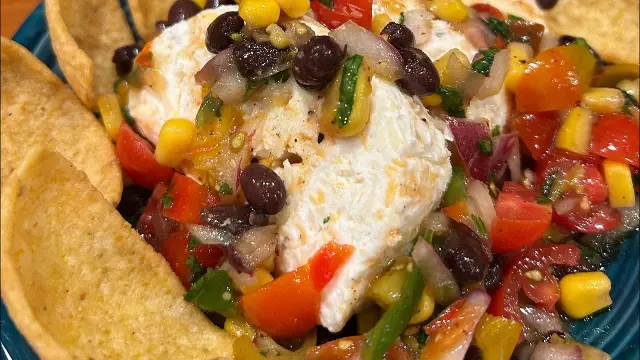
 Party Cream Cheese Log Draped in Cowboy Caviar
#Dip
1 ideas
Party Cream Cheese Log Draped in Cowboy Caviar
Get new #Dip ideas by email
Every Thursday: the week's best ideas, with the newest from #Dip.
Related tags
Dips: A Simple Guide to Serving and Enjoying Them
Dips are thick, scoopable foods served with something you can dip into them, such as bread, crackers, chips, vegetables, or fruit. They appear in many cuisines around the world and can be savory, spicy, tangy, creamy, or sweet. At their simplest, a dip is a way to turn a few ingredients into something shareable and easy to serve.
What dips are used for
Dips are popular because they are practical as well as flavorful. They can be a snack, an appetizer, part of a meal, or a centerpiece for a casual gathering. A good dip often brings together texture, color, and contrast: something smooth with something crunchy, something rich with something fresh, or something cool with something warm. They are especially useful when you want food that is easy to serve to a group and easy for guests to eat at their own pace.
Common kinds of dips
Read more
There are many kinds of dips, but most fall into a few familiar groups:
- Creamy dips: Made with ingredients like yogurt, sour cream, cream cheese, mayonnaise, or blended beans. These are often soft, rich, and mild.
- Bean and legume dips: Hummus, bean spreads, and similar dips are hearty and filling. They are often seasoned with garlic, lemon, herbs, or spices.
- Fresh dips and salsas: These rely on chopped vegetables, herbs, fruit, or tomatoes. They tend to be lighter and brighter in flavor.
- Cheese-based dips: Some are served cold and spreadable, while others are warmed until soft or melty.
- Sweet dips: These are served with fruit, cookies, or baked treats and may include yogurt, chocolate, caramel, or whipped dairy-based mixtures.
What beginners should know
If you are new to making dips, start with balance. A dip usually works best when it has salt, acid, and richness, plus herbs or spices if needed. Taste as you go, because a small change can make a big difference. If a dip feels too thick, add a little liquid or another soft ingredient. If it feels too thin, add something with body, such as beans, cheese, avocado, or another starchy ingredient.
Texture matters too. Very smooth dips are good for spreading, while chunkier dips feel more rustic and can be served with sturdier dippers. Think about what will be dipped into it. Soft bread, crisp vegetables, toasted pita, tortilla chips, flatbreads, and crackers all offer different experiences.
Practical serving tips
- Serve dips in a bowl that is wide enough for easy scooping.
- Chill cold dips before serving if the recipe benefits from resting.
- Warm dips should be served soon after heating so they keep a pleasant texture.
- Offer more than one dipping option if you can, especially at gatherings.
- Garnish simply with herbs, seeds, chopped vegetables, or a drizzle of oil or sauce if it suits the flavor.
Dips are forgiving, adaptable, and welcoming to beginners. Once you understand the basic balance of flavor and texture, you can make them for almost any occasion, from a quiet snack to a full table of shared food.
Videos come from YouTube and posts from Instagram; titles and summaries are our own. All rights belong to their creators.