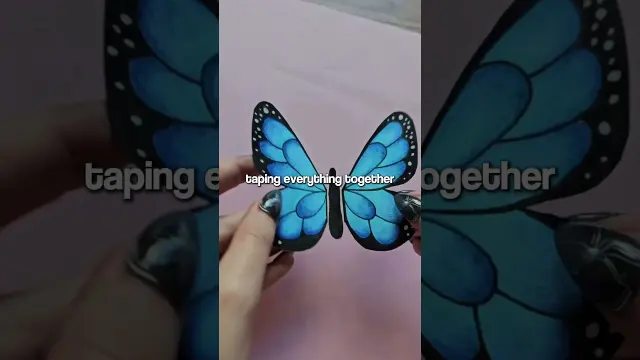
 How to Make a Homemade Paper Butterfly with Flapping Wings
#DIY Butterfly
1 ideas
How to Make a Homemade Paper Butterfly with Flapping Wings
Get new #DIY Butterfly ideas by email
Every Thursday: the week's best ideas, with the newest from #DIY Butterfly.
Related tags
DIY Butterfly Crafts and Decorations
Butterfly crafts are a simple and charming way to bring lightness, colour, and movement into your home projects. People make butterflies from paper, fabric, felt, beads, wire, clay, and other everyday craft materials. They can be used as decorations, gift toppers, party accents, wall art, garlands, cards, and ornaments. Because the butterfly shape is easy to recognise and endlessly adaptable, it is a favourite subject in many kinds of handmade work.
Butterflies have long been admired in art and decoration because of their delicate wings and strong symbolic meaning. Across different cultures, they can stand for beauty, change, freedom, and new beginnings. That is one reason they appear so often in crafts for celebrations, children’s projects, and seasonal decorating. Whether you prefer a natural look or a more playful style, a butterfly shape works well in both simple and detailed designs.
Common butterfly craft styles
You can make butterfly crafts in many ways, depending on the material and the look you want.
Read more
- Paper butterflies are one of the easiest options. They can be cut, folded, layered, or curled to create a sense of movement.
- Fabric or felt butterflies are soft and durable, making them useful for brooches, appliqué, mobiles, and room decorations.
- Beaded and wire butterflies have a more delicate, decorative feel and are often used for ornaments or embellishments.
- Painted or drawn butterflies are a good choice for cards, framed art, and children’s activities.
- Recycled-material butterflies can be made from scrap paper, packaging, ribbon, or leftover craft supplies.
Techniques to try
If you are just starting out, begin with a simple shape and focus on symmetry. A butterfly usually looks best when both wings match, even if the design is loose or stylised. Folding paper in half before cutting is a helpful way to keep the wings balanced. Layering different colours or patterns can make the wings look fuller, while curling the edges gives a more lifelike effect.
You can also add texture with small details such as dots, lines, cut-out patterns, or embossed marks. For a more decorative result, try combining materials. A paper butterfly with a yarn body or a fabric butterfly with stitched edges can look more finished without being difficult to make.
Practical tips for beginners
- Start with a simple template before trying advanced shapes.
- Use lightweight materials if you want the wings to stand out or move.
- Keep the body small and neat so the wings remain the focus.
- Test glue on a scrap piece first if you are mixing materials.
- If you are making butterflies for children, choose safe, non-sharp materials and simple steps.
Butterfly crafts are especially satisfying because they can be quick or detailed, playful or elegant. Once you understand the basic shape, you can adapt it for many different projects. A small change in colour, texture, or proportion can completely change the mood, so there is plenty of room to experiment while keeping the design recognisable.
#DIY Butterfly: frequently asked questions
How do I get started with DIY butterfly crafts if I've never made one before?
Pick a single material to work with first — plain paper is the friendliest place to begin — and work from a simple template rather than drawing the shape freehand. Fold the paper in half before cutting so both wings come out matching, since symmetry is what makes the shape read as a butterfly. Once one comes out well, you can start varying colours, layers and wing edges.
What materials do I need for a basic butterfly project?
Most butterfly crafts come together from lightweight materials you probably already have: paper or card, something for the body such as yarn, wire or a pipe cleaner, and a glue or tape that suits the surface. Add scissors, a pencil for tracing, and a few decorative bits like beads, ribbon or paint if you want detail. Felt and fabric work too, but they need sharper tools and a little more patience than paper.
Which style of butterfly craft should I choose?
Let the finished piece decide for you: paper is best for garlands, cards and anything that should look light and move a little, while felt and fabric hold up better on things that get worn or handled, like brooches and appliqué. Beaded and wire butterflies suit ornaments and small embellishments where a delicate look matters more than durability. If you want something quick and forgiving, start with paper; choose fabric or wire when you want the piece to last.
How do I keep handmade butterflies looking good over time?
Paper butterflies are the most fragile, so keep them out of damp rooms and direct sun, which dulls colour and softens the shape, and store flat rather than folded. Fabric and felt versions can usually be brushed clean and pressed gently, while wire and beaded ones mainly need to be kept from bending or tangling. Whatever the material, hang or store them where they won't be crushed, since the wings are the part that damages first.
What are common mistakes people make with butterfly crafts?
The usual ones are cutting the wings freehand and ending up with an uneven pair, and making the body so large that it competes with the wings instead of supporting them. Another is using heavy paper for something meant to flutter, or gluing mismatched materials without testing the bond on a scrap first. Keeping the body small, the wings balanced, and the material light solves most of it.
What occasions work well for butterfly crafts?
Butterflies suit almost any celebration because the shape carries meanings of change and new beginnings, so they turn up in wedding décor, baby and birthday parties, seasonal decorating and handmade cards. They also make easy gift toppers and ornaments, and they're a good project for children since the basic shape is simple to recognise and forgiving to make. A change of colour alone shifts the mood from playful to elegant.
Videos come from YouTube and posts from Instagram; titles and summaries are our own. All rights belong to their creators.