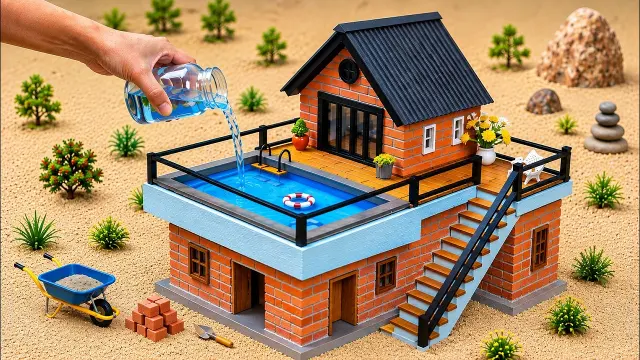
 Mini House Construction with a Pool and Exterior Stairs
#DIY Construction
3 ideas
Mini House Construction with a Pool and Exterior Stairs
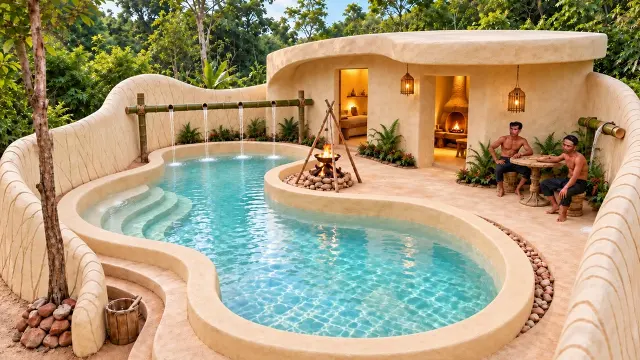 Building a Luxury Jungle Villa with Private Pools
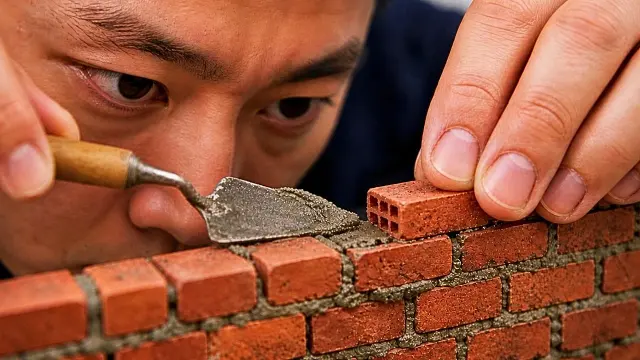 Miniature Villa Construction Using Mini Bricks
Get new #DIY Construction ideas by email
Every Thursday: the week's best ideas, with the newest from #DIY Construction.
Related tags
DIY Construction: Building Projects with Confidence
DIY construction is the hands-on process of planning and building something yourself, whether it is a small structure, a repair, or a decorative project with a built form. It can range from simple shelving and garden features to sheds, partitions, playhouses, and other light building work. At its heart, DIY construction is about turning an idea into a stable, useful structure using basic building principles: measuring carefully, choosing suitable materials, assembling in the right order, and finishing the result so it lasts.
What DIY construction includes
DIY construction covers many kinds of projects. Some are purely practical, such as storage units, furniture, and repairs. Others are more architectural, such as miniature buildings, backyard structures, or small outdoor features. In all cases, the same ideas apply: a clear plan, accurate dimensions, a sound base, and attention to detail.
If you are new to construction work, it helps to start small. Simple projects teach you how materials behave, how to make straight cuts, and how to join parts securely. As your confidence grows, you can move on to more complex builds with angles, openings, steps, or layered finishes.
Read more
Common materials and methods
The materials you use depend on the project. Wood is one of the most common choices because it is versatile and easy to cut, join, and finish. Brick, stone, concrete, metal, and composite materials are also used in many construction projects, especially outdoors or where extra strength is needed. For smaller decorative builds, lighter materials may be easier to shape and assemble.
Typical construction methods include:
- Measuring and marking before cutting
- Building a frame or base first
- Joining parts with nails, screws, glue, or mortar depending on the material
- Checking alignment often as you work
- Allowing enough time for adhesives, fillers, or finishes to set properly
Planning before you build
Good DIY construction starts long before the first cut. Make a sketch or simple plan, even if the project is modest. Decide on the size, the purpose, and the location. Think about weight, stability, moisture, and access. If a project will hold items, support people, or stand outdoors, a solid foundation and safe construction become especially important.
Measure twice and cut once is still good advice. Small errors can add up quickly, especially when several pieces must fit together neatly.
Safety and beginner tips
Safety matters in every DIY project. Use the right tools for the job, work in a tidy space, and keep fingers clear when cutting or fastening. Wear basic protective gear when needed, and read tool instructions carefully before you begin. If a task feels beyond your skill level, pause and learn the method first rather than forcing it.
A few helpful habits:
- Start with a simple project and build skill gradually
- Dry-fit pieces before final assembly
- Keep surfaces level and square where possible
- Use quality fixings appropriate for the material
- Finish exposed surfaces to help protect them from wear
Finishing touches
A well-built project is not only strong but also neat. Sanding, sealing, painting, or staining can improve both appearance and durability. Clean edges, even joints, and thoughtful finishing make a DIY construction project feel complete. With patience and careful planning, you can create builds that are both practical and satisfying to make.
#DIY Construction: frequently asked questions
How do I get started with a DIY construction project if I’m a beginner?
Start with a simple build that matches your current skill level, such as a small shelf, garden feature, or miniature structure. Make a basic plan first, measure carefully, and dry-fit the pieces before final assembly so you can catch problems early.
What materials are best for DIY construction?
Wood is often the easiest material for beginners because it is versatile and simple to cut, join, and finish. For outdoor or more durable projects, brick, stone, concrete, metal, or composite materials may be better depending on the look and strength you need.
Which type of DIY construction should I choose: practical builds or decorative mini projects?
Choose a practical build if you want something useful, like storage, repairs, or a small structure with a clear function. Decorative miniature projects are a great choice if you want to focus on detail, design, and creative building techniques, especially for display or inspiration.
What should I plan before building a shed, playhouse, or other small structure?
Think about the size, purpose, location, and how the structure will stand up over time. A solid base, good alignment, and the right materials matter most when the build needs to support weight or handle outdoor conditions.
How do I keep a DIY construction project looking good and lasting longer?
Finish exposed surfaces with sanding, sealing, paint, or stain to help protect them from wear and moisture. Regularly check for loose fixings, uneven joints, or surface damage, and make small repairs early before they become bigger issues.
Videos come from YouTube and posts from Instagram; titles and summaries are our own. All rights belong to their creators.