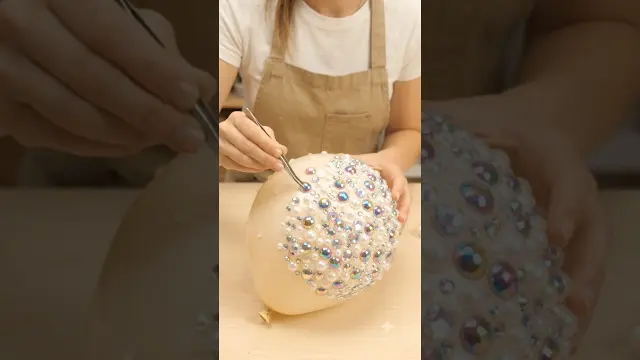
 DIY Floating Crystal Raindrop Ceiling Lamp Makeover
#DIY Lighting
1 ideas
DIY Floating Crystal Raindrop Ceiling Lamp Makeover
Get new #DIY Lighting ideas by email
Every Thursday: the week's best ideas, with the newest from #DIY Lighting.
Related tags
DIY Lighting Ideas and Basics
What DIY lighting means
DIY lighting is the practice of making, modifying, or refreshing light sources yourself. It can be as simple as updating a lampshade or as involved as building a new pendant, wall light, or decorative fixture. People turn to DIY lighting for many reasons: to match a room better, to reuse materials, to soften a space, or to create something that feels more personal than a ready-made piece.
Lighting has long been both practical and decorative. In homes, it shapes how a room feels, how colors look, and how comfortably you can use a space. A well-made light can become a focal point, but even a small change in a shade, cord cover, or bulb can alter the mood of a room.
Common types of DIY lighting
Read more
There are many ways to approach it. Table lamps and floor lamps are often the easiest starting point, because you can usually work with the base, shade, or switch without changing the wiring. Pendant lights and ceiling lights can make a bigger visual impact, while wall lights are useful for reading corners, hallways, and bedside areas. Decorative string lights, lanterns, and illuminated jars are simpler projects that focus more on atmosphere than on providing strong light.
You may also see DIY projects that use natural materials, glass, paper, fabric, metal, wood, or recycled items. The style can be rustic, modern, vintage-inspired, minimal, or playful, depending on the materials and shape you choose. What matters most is that the finished piece suits the room and gives off the kind of light you want.
Simple techniques to know
Many DIY lighting projects rely on a few basic skills: measuring carefully, assembling parts neatly, and finishing edges cleanly. If you are changing a lampshade, think about the fabric or surface finish, since this affects how much light passes through. If you are building a fixture, balance is important so the piece hangs straight and looks intentional.
Always pay close attention to safety. If a project involves wiring, sockets, plugs, or ceiling installation, only do what you fully understand. When in doubt, keep the work to cosmetic changes and use existing, safe fittings. Make sure any material you use can sit near a bulb without overheating, and choose the right bulb type and brightness for the fixture.
Practical tips for beginners
Start with a small project before trying anything complex. A simple shade makeover, a painted lamp base, or a decorative cover can teach you a lot without much risk. Plan the lighting effect first: do you want soft ambient light, focused task light, or a decorative glow? That answer will guide your material choices.
Keep proportions in mind. A large shade can overwhelm a small table, while a tiny pendant may look lost in a bigger room. Test your idea in daylight and at night, because materials often look very different once the light is switched on.
Finally, aim for a finish that feels tidy and deliberate. DIY lighting looks best when the details are neat, the materials are consistent, and the overall shape suits the room. Even a simple project can feel elegant when it is well balanced and thoughtfully made.
Videos come from YouTube and posts from Instagram; titles and summaries are our own. All rights belong to their creators.