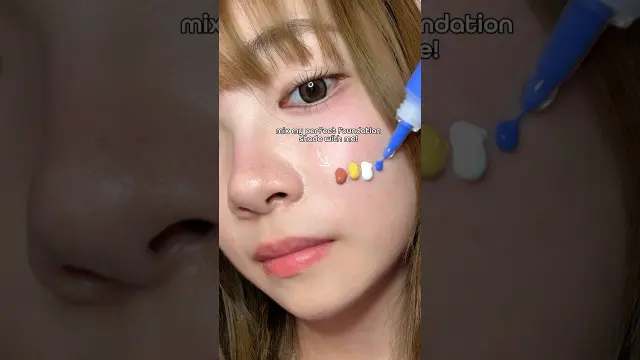
 DIY Personalized Foundation Shade Mixing
#DIY Makeup
1 ideas
DIY Personalized Foundation Shade Mixing
Get new #DIY Makeup ideas by email
Every Thursday: the week's best ideas, with the newest from #DIY Makeup.
Related tags
DIY Makeup: Creating Your Own Beauty Looks
What DIY makeup means
DIY makeup is the practice of making, mixing, adapting, or applying beauty products and looks yourself rather than relying entirely on ready-made routines. For some people, it means blending shades to get a better colour match. For others, it means creating simple lip, cheek, or eye products from basic ingredients, or personalising makeup tools and methods to suit their own face and style.
At its heart, DIY makeup is about control and creativity. You decide the finish, the intensity, the colour balance, and the way a look is built. It can also be a useful way to work around hard-to-match skin tones, unusual colour preferences, or the wish for a more minimal beauty routine.
Common kinds of DIY makeup
Read more
- Custom shade mixing: blending foundation, concealer, blush, or lip colour to get a more suitable tone or finish.
- Homemade colour cosmetics: creating simple tints, balms, or powders from ingredients chosen for a particular effect.
- Tool customisation: cutting, cleaning, or adapting brushes, sponges, and applicators for a better fit.
- Routine building: combining products in your own order to suit your skin type and the look you want.
Some DIY makeup is very simple and practical, like mixing two foundations to improve the shade. Other forms are more experimental and creative, especially when used for costume, editorial-style looks, or special occasions.
What beginners should know
If you’re new to DIY makeup, start small. It’s usually easier to adjust an existing product than to make something completely from scratch. A tiny amount of a darker or lighter product can make a big difference, so test gradually and mix well.
Always think about skin safety. Keep anything that touches your face clean, and avoid using ingredients that may irritate your skin or eyes. Makeup is meant to sit comfortably on the skin, so texture matters as much as colour. A beautiful shade that feels gritty, greasy, or unstable is rarely worth using.
Patch testing is wise when you try anything new, especially if you have sensitive skin. Apply a small amount to a discreet area first and wait to see how your skin responds.
Techniques that help
- Mix in small amounts until you find the right balance.
- Use a clean palette, spoon, or disposable surface for blending.
- Build coverage or colour in thin layers rather than applying too much at once.
- Keep the finish consistent by matching texture as well as shade.
- Store homemade or repurposed products carefully, and discard anything that changes smell, colour, or feel.
Style ideas and uses
DIY makeup can be subtle or expressive. You might use it to create a naturally blended everyday look, to correct a colour that doesn’t quite suit you, or to make a softer version of a bold product. It’s also useful for matching makeup across the face and neck, adjusting seasonal differences in skin tone, or creating a look that feels more personal than a standard routine.
For best results, think like a colour mixer and a makeup artist at the same time: start with the finish you want, then refine the colour. With patience and clean habits, DIY makeup can become a practical part of your beauty routine as well as a creative one.
Videos come from YouTube and posts from Instagram; titles and summaries are our own. All rights belong to their creators.