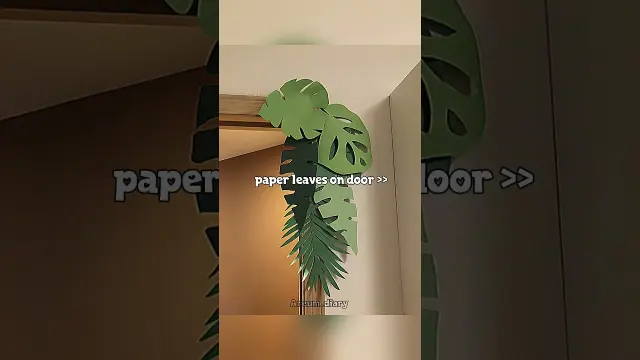
 Nature Inspired Do It Yourself Room Decoration Ideas
#DIY Room Decor
3 ideas
Nature Inspired Do It Yourself Room Decoration Ideas
 Twenty Affordable DIY Room Decor Ideas
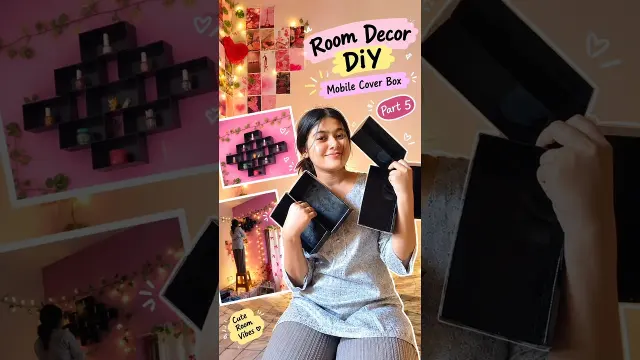 DIY Mobile Box Wall Shelf For Room Decor
Get new #DIY Room Decor ideas by email
Every Thursday: the week's best ideas, with the newest from #DIY Room Decor.
Related tags
DIY Room Decor Ideas and Basics
What DIY room decor means
DIY room decor is the practice of making, changing, or repurposing decorative items for your room yourself. It can be as simple as framing a print, painting a vase, or sewing a cushion cover, or as involved as building shelves and creating wall features. People use DIY decor to make a space feel more personal, to fit a budget, to reuse what they already have, and to match a room more closely to their own style.
Common styles and ideas
DIY room decor can suit almost any style. A room with a calm, natural feel might use handmade woven pieces, painted plant pots, wooden accents, or simple textiles in soft colours. A more playful room may include bright wall art, patterned storage boxes, string displays, or painted furniture details. Minimal rooms often rely on clean lines, neutral tones, and a few carefully chosen handmade pieces. A cosy room may use layered fabric, cushions, candles, and small displays of meaningful objects.
Read more
Some of the most common DIY decor projects include:
- Wall art and framed prints
- Painted mirrors, shelves, or furniture
- Handmade cushions, throws, and curtains
- Storage jars, trays, and boxes
- Decorative garlands, mobiles, and hanging pieces
- Upcycled items turned into planters, organisers, or display pieces
Materials and techniques
Many room decor projects use basic materials such as paper, fabric, wood, paint, glue, string, and recycled containers. Techniques vary from simple cutting and assembling to sewing, stencilling, decoupage, painting, and light woodworking. If you are new to DIY, start with one small project that does not require special tools. A successful first piece helps you learn how materials behave and how much time a project really takes.
When choosing materials, think about where the item will be used. A piece near a window may need to handle light well, while something for a desk should be practical and stable. If you are decorating a room that is used every day, it helps to choose items that are easy to clean and not too fragile.
Tips for getting started
Begin with a clear idea of the feeling you want in the room. Do you want it calmer, brighter, cozier, or more organised? That makes it easier to choose colours, shapes, and materials that work together. It also helps to notice what your room already has, so your handmade pieces add to the space instead of competing with it.
A few practical tips:
- Start small and build one project at a time
- Use a simple colour palette for a more cohesive look
- Measure carefully before hanging or placing anything
- Reuse materials whenever possible
- Mix handmade items with a few plain essentials for balance
- Test paint, glue, or finishes on a small area first
Making it feel finished
The best DIY room decor usually looks thoughtful rather than crowded. A room does not need many handmade pieces to feel personal. Often, one or two well-made items, placed with care, are enough. If you keep your choices simple and consistent, your room will feel more polished and comfortable while still reflecting your own style.
Videos come from YouTube and posts from Instagram; titles and summaries are our own. All rights belong to their creators.