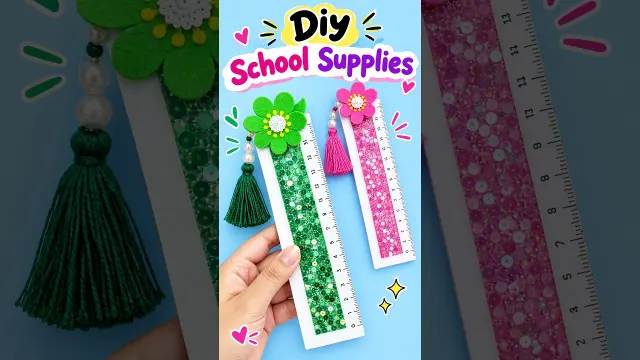
 Easy Paper Crafts to Make Your Own School Supplies
#DIY School Supplies
3 ideas
Easy Paper Crafts to Make Your Own School Supplies
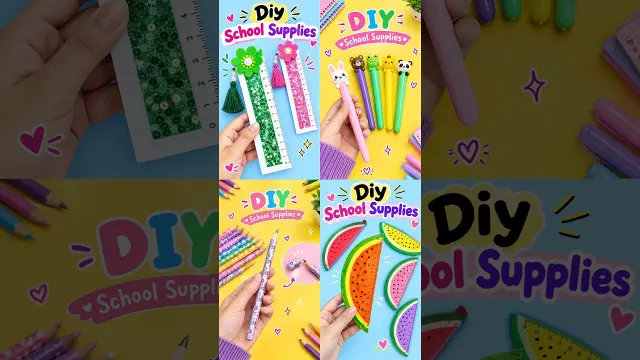 Four Easy DIY School Supplies You Can Make Yourself
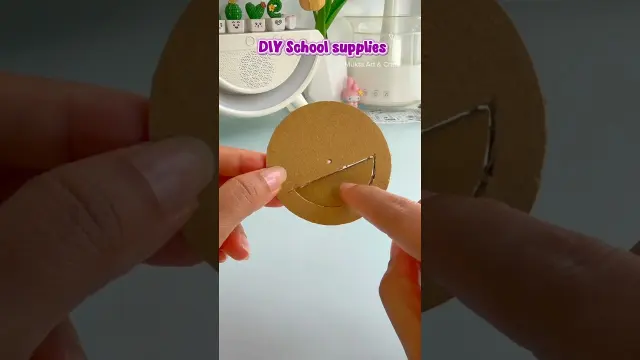 Simple Paper Craft Ideas for DIY School Supplies
Get new #DIY School Supplies ideas by email
Every Thursday: the week's best ideas, with the newest from #DIY School Supplies.
Related tags
DIY School Supplies: A Beginner's Guide to Making Your Own
There is something quietly satisfying about starting a school term with supplies you have made yourself. DIY school supplies are exactly what they sound like: everyday items for studying and organising, made or decorated at home from inexpensive materials rather than bought ready-made. The idea has roots in older traditions of home craft and mending, when making do and making beautiful were the same habit. Today it is less about necessity and more about expression, sustainability, and the pleasure of a pencil case that looks like nobody else's.
Why people make their own
The appeal is practical as much as creative. Making your own supplies is usually cheaper than buying them, and it keeps paper, card, fabric and containers in use for longer. It also lets you choose the size, colour and layout that suit you: a notebook ruled the way you like, a folder sized for the bag you actually carry, a desk tidy that fits a small space. For students, it is a gentle introduction to planning, measuring and finishing a project properly.
The main kinds of project
Read more
Most DIY school supplies fall into a few groups. Paper and card projects include hand-bound notebooks, folded folders, bookmarks, index cards and simple envelopes; these need little more than paper, card, a ruler, a pencil and glue. Fabric projects include pencil cases, book covers and tote-style bags, usually sewn by hand or on a machine. Upcycling projects turn household objects into storage: tins, jars and boxes become pen pots and organisers. Decoration is a category on its own, covering covered notebooks, painted clips, customised covers and labels.
What beginners should know
Start with something small and finishable, such as a set of decorated clips or a single folded folder, rather than a complicated bound book. Choose a project that matches the tools you already own, and read the whole set of steps before cutting anything. Measure twice and cut once, as the old advice goes. Work on a clean, flat surface with good light, and keep glue and paint away from anything you do not want marked.
Certain skills come up again and again and are worth practising: measuring and scoring a straight fold, cutting cleanly with a sharp blade or good scissors, and letting glue dry fully before handling. Hand sewing needs only a basic running stitch and a backstitch to cover most pencil case designs.
Practical tips
Test materials on a spare piece first, especially paint on card that may buckle or ink that may bleed. Use a cutting mat and a metal ruler for straight edges, and change a blunt blade rather than pressing harder. If you are binding a notebook, choose thread and paper that suit the size of the book. For fabric items, wash and press the cloth before cutting so it does not shrink afterwards. Label your storage boxes on the outside so the contents stay findable.
Finally, let the supplies serve the studying. A handmade notebook is a pleasure to open, but the point is what goes inside it: notes, plans and ideas. Make a few things well, use them daily, and repair them when they wear, which is a lesson in itself.
#DIY School Supplies: frequently asked questions
How do I start making DIY school supplies if I’m a beginner?
Begin with a small project that feels easy to finish, like a decorated clip, a folder, or a simple bookmark. Choose materials and tools you already have, read the full steps first, and work on a clean, flat surface so you can measure and cut carefully.
What materials do I need for DIY school supplies?
It depends on the project, but many paper crafts only need paper, card, a ruler, a pencil, and glue. For fabric items, you may also want cloth, thread, scissors, and basic sewing tools, while upcycled projects often use jars, tins, boxes, or other containers.
Which type of DIY school supply is easiest to make?
Paper and card projects are usually the simplest place to start because they use basic materials and straightforward steps. If you want something even easier, decorative projects like labels, covers, or customised clips can add personality without requiring much construction.
How can I make DIY school supplies last longer?
Use sturdy materials, let glue and paint dry fully before handling, and test finishes on a spare piece first so you avoid damage. For fabric projects, wash and press the cloth before cutting, and for notebooks or folders, store them flat and use them gently in daily school life.
What are some good DIY school supply ideas for a new school term?
Handmade notebooks, folder covers, pencil cases, bookmarks, and desk organisers are all useful for getting organised at the start of term. These projects are practical, easy to personalise, and make it simpler to match your supplies to the way you actually study.
Videos come from YouTube and posts from Instagram; titles and summaries are our own. All rights belong to their creators.