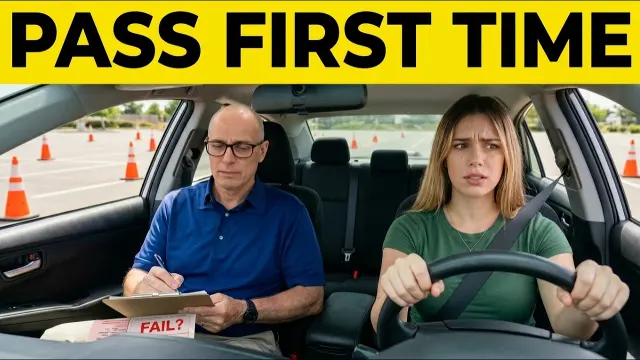
 Essential Tips And Strategies To Pass Your DMV Road Test
#DMV Road Test
1 ideas
Essential Tips And Strategies To Pass Your DMV Road Test
Get new #DMV Road Test ideas by email
Every Thursday: the week's best ideas, with the newest from #DMV Road Test.
Related tags
DMV Road Test: How to Prepare and Pass
The DMV road test is the practical driving exam used to check whether you can drive safely and confidently in everyday traffic. It usually comes after you have learned the rules of the road, practiced with a supervising driver, and feel ready to show that you can handle the vehicle on your own. The exact format varies by place, but the purpose is the same: to make sure you can drive responsibly, follow instructions, and react calmly to real traffic situations.
What the road test usually covers
During the test, the examiner may ask you to demonstrate basic vehicle control as well as normal driving skills. This can include:
- Starting and stopping smoothly
- Turning correctly
- Lane changes and merging
- Using mirrors and checking blind spots
- Obeying signs, signals, and road markings
- Parking maneuvers
- Backing up safely
- Handling intersections, traffic, and pedestrians
Read more
In some places, you may also be asked to perform specific maneuvers such as parallel parking or a three-point turn. The examiner is not looking for perfect driving. They are looking for safe, legal, and predictable driving.
How to prepare
The best preparation is steady practice in a variety of conditions. Spend time driving on quiet streets first, then gradually move to busier roads, intersections, and parking areas. Practice until the basics feel natural: braking gently, steering smoothly, checking traffic before moving, and keeping a safe following distance.
It also helps to get familiar with the type of car you will use for the test. Learn where the lights, wipers, hazard lights, and parking brake are. Adjust your seat, mirrors, and steering position before you start driving. If you feel comfortable in the car, you are more likely to stay calm.
A few practical habits make a strong difference:
- Check mirrors regularly
- Come to full stops where required
- Signal early and clearly
- Keep both hands on the wheel when possible
- Look over your shoulder when changing lanes or backing up
- Drive at a safe, steady speed
- Stay focused on the road, not on the examiner
Common mistakes to avoid
Many people lose points for simple habits rather than major errors. These can include rolling through stop signs, forgetting to signal, not checking blind spots, driving too fast or too slowly, and hesitating too long at intersections. Nervousness can also cause small mistakes, so try to breathe steadily and listen carefully to instructions.
If you make one minor mistake, keep going. A calm recovery is often better than overreacting. The examiner wants to see that you can continue driving safely even if something does not go perfectly.
Final tips for test day
Arrive early so you are not rushed. Make sure your required documents are ready, and bring a vehicle that is clean, legal, and in good working condition. Before the test begins, take a moment to settle yourself, review the basic controls, and ask for clarification if you do not understand an instruction.
Most of all, remember that the road test is about safe habits. If you have practiced consistently and drive with attention and confidence, you give yourself a strong chance of success.
Videos come from YouTube and posts from Instagram; titles and summaries are our own. All rights belong to their creators.