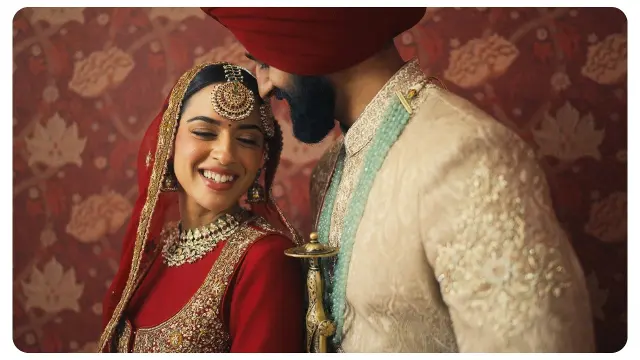
 Cinematic Documentary Highlight of a Punjabi Wedding in Canada
#Documentary Film
1 ideas
Cinematic Documentary Highlight of a Punjabi Wedding in Canada
Get new #Documentary Film ideas by email
Every Thursday: the week's best ideas, with the newest from #Documentary Film.
Related tags
Documentary Film Guide
Documentary film is a way of telling real stories through moving images. Unlike fiction film, it is built around people, places, events, or ideas that exist in the real world. A documentary can explain a subject, preserve a moment in time, follow a person’s life, or invite you to see something familiar from a new angle.
What documentary film is
At its heart, documentary film tries to observe, interpret, or investigate reality. Some documentaries are mainly informative and aim to teach. Others are more personal and emotional, focusing on experience and point of view. Many combine both.
Documentary filmmaking has early roots in the history of cinema, when filmmakers began using cameras to record everyday life, travel, work, and public events. Over time, the form grew into many styles, from quiet observational films to highly structured essays and interview-based stories.
Read more
Common styles and approaches
There is no single way to make a documentary. Some common approaches include:
- Observational films, which watch events unfold with little interruption
- Interview-based films, which rely on people speaking directly about their experiences
- Expository films, which explain a topic clearly, often with narration
- Personal or essay films, which reflect the filmmaker’s own thoughts and perspective
- Participatory films, where the filmmaker becomes part of the story
- Archival films, which use old footage, photographs, letters, or recordings
- Hybrid films, which mix documentary material with staged or creative elements
Each style shapes how you understand the subject. A documentary about family life, for example, may feel intimate and emotional, while one about history or culture may be more structured and descriptive.
What documentaries are used for
Documentary films can serve many purposes. They may inform, preserve memory, inspire empathy, explore social issues, or simply celebrate a craft, community, or way of life. They are often used in education, journalism, museums, festivals, and personal storytelling. They can also be deeply artistic, using image, sound, pacing, and editing to create mood and meaning.
What to know as a beginner
If you want to watch documentaries more thoughtfully, it helps to remember that every documentary is shaped by choices. The filmmaker decides what to film, what to leave out, how to edit, and whose voice to feature. Even when a film is based on real events, it still reflects a point of view.
If you want to make one, start with a subject you know well or care about deeply. Keep the idea focused. A strong documentary usually asks one clear question or follows one central thread. Listen carefully, film patiently, and collect as much useful material as you can.
A few practical tips:
- Build trust with the people you film
- Pay attention to sound as well as image
- Keep your storytelling simple and clear
- Use editing to shape meaning, not just to shorten footage
- Respect privacy, consent, and dignity at every stage
Why documentary film matters
Documentary film helps us see the world more closely. It can preserve voices that might otherwise be forgotten, explain complex subjects in human terms, and reveal beauty in ordinary life. Whether it is intimate or wide-ranging, quiet or forceful, a good documentary invites you to look, think, and listen with care.
Videos come from YouTube and posts from Instagram; titles and summaries are our own. All rights belong to their creators.