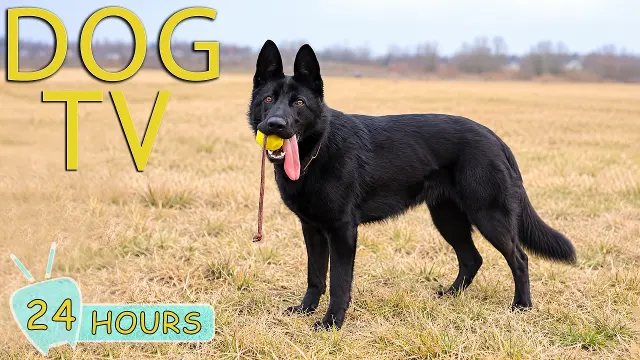
 Relaxing Dog TV Visuals and Soothing Music for Home Alone Pets
#Dog Entertainment
1 ideas
Relaxing Dog TV Visuals and Soothing Music for Home Alone Pets
Get new #Dog Entertainment ideas by email
Every Thursday: the week's best ideas, with the newest from #Dog Entertainment.
Related tags
Dog Entertainment: Fun Ways to Keep Your Dog Happy
A dog left with nothing to do will find something to do, and it is rarely what you had in mind. Entertainment for dogs is not about filling every hour with excitement. It is about giving a curious animal enough to think about, sniff, chew and solve that the quiet stretches of the day feel comfortable rather than empty. Boredom in dogs tends to look like restlessness: pacing, barking, chewing furniture, following you from room to room. Give that energy somewhere to go and much of it settles on its own.
Start with what your dog was built for
Every dog carries instincts shaped by generations of breeding, and entertainment works best when it taps into them. A retriever wants to carry and fetch; a terrier wants to search and dig; a herding breed wants to move and chase; a scent hound wants its nose down. Watch what your dog does when nobody asks anything of them, and build games around it. The general rule is that mental work tires a dog more thoroughly than pure running, and a dog whose mind has been used rests better.
The everyday basics
Read more
- Play together, not just alongside. A few minutes of tug, fetch or chase is worth more than a basket of toys left untouched.
- Feed some of the daily food from a puzzle bowl, a scatter on the lawn or a stuffed chew toy, so mealtimes become a small job.
- Rotate toys. Keep a few out and the rest away, swapping them every few days so old things feel new.
- Let them sniff. A slow walk with the nose in charge is entertainment in itself, and it costs nothing.
- Offer something legal to chew, appropriate to your dog's size and chewing style, and check it for wear.
Games you can teach in an afternoon
Hide and seek with a person or a favourite toy, "find it" with treats tucked around a room, a cardboard box with kibble hidden inside, a muffin tin covered with tennis balls. Nose work suits almost every dog and needs no equipment beyond food and a little patience. Trick training is another form of play: a new behaviour is a puzzle with a reward at the end, and short sessions that end on success keep it fun. Always supervise, and put anything swallowed or shredded out of reach.
Sound, screens and quiet
Some dogs settle to calm background music or gentle narration, and a window with a view can be a whole cinema for a dog who likes to watch the street. Leave such things on low, and never rely on them as the only company. Rest matters as much as activity: puppies, older dogs and working dogs all need long stretches of undisturbed sleep, so build in calm as deliberately as you build in play. If your dog's appetite for activity changes suddenly, or chewing becomes constant, a vet is the right person to ask.
Matching the day to the dog
A high-energy young dog needs more movement and more chewing than a senior who prefers a slow sniff and a warm bed. Watch for the signs of a dog who has had enough, and finish while things are still going well. Ten good minutes beats an hour of overexcitement every time.
#Dog Entertainment: frequently asked questions
How do I get started with entertaining my dog?
Begin by watching what your dog does when nobody is asking anything of them — carrying, sniffing, digging at a blanket, chasing a ball — and build games around that instinct. Keep sessions short and stop while your dog is still enjoying it, because a mind that has been used tires more thoroughly than one that has just run. Play together rather than simply leaving toys around, since your participation is what makes an activity feel worth doing.
Do I need to buy special toys or equipment?
Not necessarily. Much of the best entertainment is free: a slow walk with the nose in charge, a few minutes of tug or chase, or a cardboard box with food hidden inside. Household items work well as long as you supervise and remove anything that could be swallowed or shredded. A small collection of toys that you rotate is more useful than a large pile left out permanently.
How do I choose the right kind of entertainment for my dog?
Match the activity to what your dog was bred to do: a retriever tends to enjoy carrying and fetching, a terrier searching and digging, a herding breed moving and chasing, and a scent hound anything that lets the nose lead. Then factor in age and energy — a young, boisterous dog usually needs more movement and chewing than an older one who prefers a slow sniff and a warm bed. Nose work and simple trick training suit almost any dog and need little more than food and patience.
How do I keep my dog's activities interesting over time?
Rotation does most of the work: keep some toys out and the rest stored away, then swap them so familiar objects feel new again. Feed part of the daily food from a puzzle bowl, a scatter on the lawn or a stuffed chew, which turns mealtimes into a small job. Refresh the games too, since a new behaviour to learn is itself a puzzle with a reward at the end.
What are the common mistakes people make?
The usual ones are overfilling the day with excitement, leaving every toy out at once, and leaving a dog unsupervised with something that can be chewed apart and swallowed. Relying on the television, music or a window view as the only company is another — those are pleasant background, not a substitute for interaction. Skipping rest is a mistake too, because puppies, older dogs and working dogs all need long stretches of undisturbed sleep.
Can entertainment help a dog who is home alone or restless?
Yes — boredom often shows up as pacing, barking, chewing furniture or following you from room to room, and giving that energy somewhere to go lets much of it settle on its own. Calm background music, gentle narration or a window with a view can help a dog pass quiet stretches, kept low and never used as the only company. If your dog's appetite for activity changes suddenly or chewing becomes constant, that is a question for a vet rather than a training problem.
Videos come from YouTube and posts from Instagram; titles and summaries are our own. All rights belong to their creators.