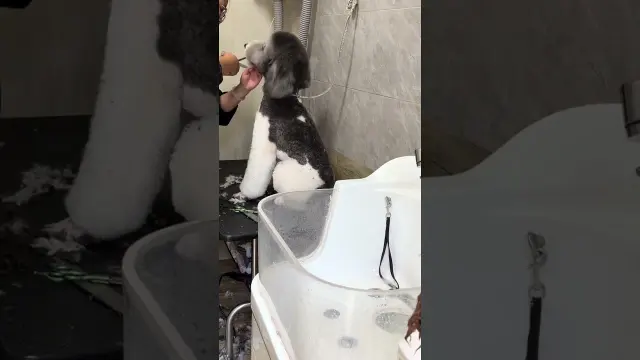
 The Magic of Scissors in Professional Pet Styling
#Dog Fashion
2 ideas
The Magic of Scissors in Professional Pet Styling
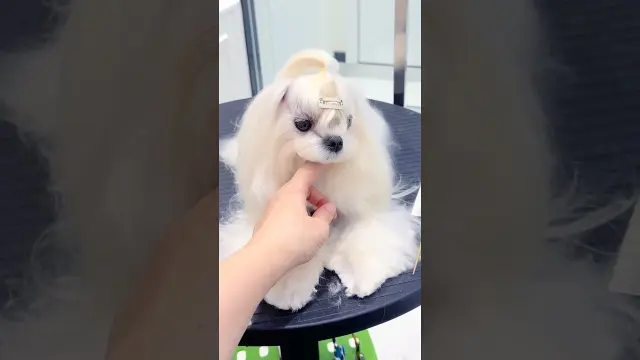 Styling Tips and Tricks for a Beautiful Maltese
Get new #Dog Fashion ideas by email
Every Thursday: the week's best ideas, with the newest from #Dog Fashion.
Related tags
Dog Fashion: Style, Comfort, and Care
Dog fashion is the art of dressing and accessorising dogs in a way that looks appealing while still keeping them comfortable and safe. It can include practical clothing for warmth or protection, decorative items for special occasions, and grooming styles that shape a dog’s overall appearance. For many people, it is also a form of care and self-expression, especially when a dog’s outfit or styling reflects their personality.
What dog fashion includes
Dog fashion is broader than cute outfits. It can involve coats, sweaters, rainwear, collars, harnesses, bandanas, bows, and other accessories. In some cases, it also includes coat trimming and styling, especially for breeds that are regularly groomed. The best choices depend on the dog’s coat type, size, temperament, and lifestyle.
Some dogs need clothing mainly for comfort in cold or wet weather. Others wear decorative pieces for photos, celebrations, or short outings. For grooming-based styling, the goal is usually to keep the coat neat, manageable, and suited to the breed or the owner’s preference.
Read more
Style, comfort, and fit
The most important rule in dog fashion is that comfort comes first. Clothes should not rub, pinch, restrict movement, or interfere with breathing, vision, or toileting. A good fit is close enough to stay in place, but loose enough to allow easy movement. If a garment seems to irritate the dog, it is better to remove it.
When choosing accessories, keep safety in mind. Avoid anything with small parts that could detach, get chewed, or catch on furniture, leads, or plants. Lightweight, simple designs are often the easiest for a dog to tolerate. Soft materials and smooth seams can help reduce discomfort.
Common approaches to dog styling
There are several ways to approach dog fashion:
- Everyday practical wear: coats, jumpers, or rain covers that help in certain weather
- Occasion dressing: simple decorative items such as bandanas or neat collars
- Breed grooming styles: coat shaping, trimming, and brushing to maintain a tidy look
- Seasonal care: choosing fabrics or grooming routines that suit temperature and coat length
Short-coated, small, elderly, or low-body-fat dogs may benefit from extra warmth in cool conditions. Long-coated dogs may need regular brushing and careful trimming to prevent tangles and maintain shape.
What beginners should know
If you are new to dog fashion, start simply. Try one comfortable item at a time and let your dog get used to it gradually. Watch body language closely. A relaxed dog may move normally, while a stressed dog may freeze, scratch, try to remove the item, or seem uneasy.
It also helps to think about your dog’s daily routine. A stylish item that works for a short walk may not be suitable for play, resting, or long wear. Good dog fashion should suit real life, not just appearance.
Practical tips
- Measure your dog before buying clothing or accessories.
- Choose easy-on, easy-off designs.
- Check for rubbing around the neck, chest, front legs, and under the belly.
- Keep grooming regular so style stays neat and manageable.
- Remove any item that causes discomfort, heat, or restricted movement.
Dog fashion works best when it combines charm with care. When you choose pieces that suit your dog’s body and personality, style becomes something both of you can enjoy.
Videos come from YouTube and posts from Instagram; titles and summaries are our own. All rights belong to their creators.