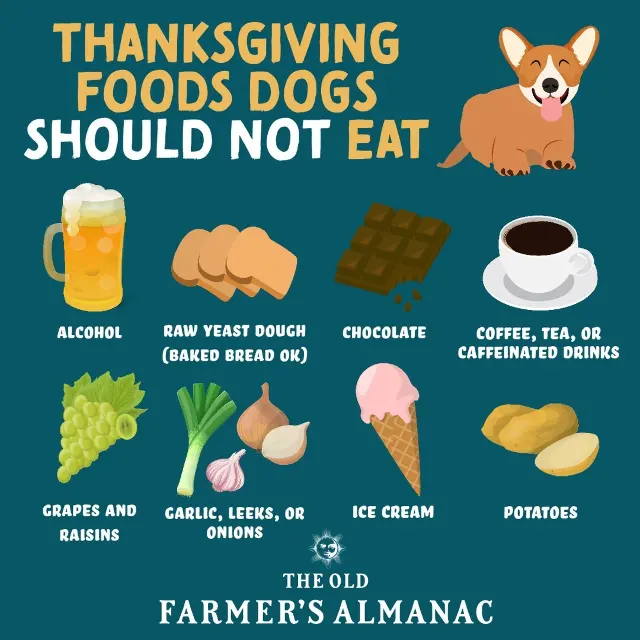
 Which Thanksgiving Feast Foods Are Safe to Share With Dogs and Cats
#Dogs and Cats
1 ideas
Which Thanksgiving Feast Foods Are Safe to Share With Dogs and Cats
Get new #Dogs and Cats ideas by email
Every Thursday: the week's best ideas, with the newest from #Dogs and Cats.
Related tags
Dogs and Cats: A Beginner's Guide to Life With Pets
Dogs and cats have shared human homes for a very long time, and they came to us by different roads. Dogs descend from wolves and were shaped over many generations for work alongside people, including herding, guarding, hunting and pulling. Cats made a quieter arrangement: where people stored grain, rodents gathered, and the cats that hunted them found a reliable place to live. In a sense they domesticated themselves. That history still shows in the animals sharing our homes today. A dog tends to look to its people for direction and company, while a cat tends to treat the household as its territory and its people as familiar, valued inhabitants.
What each one actually needs
Dogs are social animals and generally want to be near someone. They need daily movement, something to occupy their mind, and company. A dog left alone for long stretches often finds its own entertainment, which rarely suits the furniture. Walks, sniffing, training games and chews do more for a dog than any amount of toys in a basket.
Cats need fewer obvious things but just as much care: a clean litter tray, a scratching surface of their own, somewhere high to sit and watch, a quiet place to retreat to, and short bursts of play that imitate hunting. A cat that is fed well but never played with or given height can become withdrawn or restless.
Read more
Breeds, ages and individual character
Breeds differ in size, coat, energy and how much grooming they ask for, but within any breed the individual animal matters more. Adult animals from shelters often come with a known history and skip the chewing stage. Long-haired coats need regular brushing; short coats need less. Puppies and kittens are rewarding and exhausting in equal measure.
Living together
If you are bringing a dog and a cat into the same home, introduce them gradually and give the cat escape routes the dog cannot follow. Feed them apart, keep their beds separate, and supervise early encounters rather than leaving everyone to sort it out alone.
Everyday care
- Fresh water always, food in portions suited to age, size and activity.
- A steady routine for meals, walks and rest, since animals settle quickly into rhythm.
- Regular veterinary check-ups, with vaccinations and parasite prevention as your vet advises.
- Identification: a collar tag and a microchip give a lost animal a way home.
- Grooming, nail care and dental care, little and often.
- Company, play and something to chew or scratch.
Worth knowing before you commit
Pets cost money for food, veterinary care and boarding when you travel, and they live for many years. Households with chocolate, grapes and raisins, certain bulbs and flowers, string, medication and dangling cables are full of hazards worth checking. Never leave young children and animals alone together, and teach children to let a sleeping or eating animal be.
If something changes in an animal's appetite, behaviour or comfort, ask a vet. That is one question the internet should not answer for you.
#Dogs and Cats: frequently asked questions
How do I know whether a dog or a cat suits my household?
Think about how much company you can genuinely offer and how much space and routine you can hold to. Dogs are built for togetherness and wilt when left alone for long stretches, while cats are content with a territory of their own plus regular attention on their terms. Match the animal's natural style to your daily life rather than to how it looks in photos.
What should I have ready before an animal comes home?
Set up the basics first: food and water bowls, a bed in a quiet corner, something to chew or scratch, and a safe place to retreat to. Arrange identification and register with a veterinary practice so nothing is left for the first stressful week. Doing this ahead of time means the animal arrives into a calm, finished home instead of a construction site.
Which is easier, a puppy or kitten, or an older rescue animal?
Young animals are delightful but demanding, since they chew, climb and need near-constant watching while they learn. Adults from a shelter often arrive with a known temperament and habits already formed, and some come from homes where they lived alongside other animals. If your patience is limited but your heart is not, an older animal is often the easier start.
How do I introduce a dog and a cat that have never met?
Take it slowly, and make sure the cat always has a way out that the dog cannot follow, such as a room with a cat flap or a high shelf. Feed them apart, keep beds separate for a good while, and stay present for the first encounters instead of leaving them to work it out. Rushing this stage is what turns a manageable pairing into a household of tension.
What do cats need that owners most often forget?
Height, scratching and play are the three things easily overlooked, so provide a perch to watch from, a proper scratching surface and short bursts of chase-and-pounce games. A well-fed cat that never gets to climb or hunt can turn quiet and withdrawn. A clean litter tray matters too, and cats are particular about it.
What are the most common mistakes new owners make?
Buying a pile of toys instead of giving real time, exercise and company is the classic one, and it applies to both species. Other frequent slips are feeding from the table, skipping identification, and leaving children with an animal that is eating or sleeping. Getting the routine and the hazards right matters far more than any gadget.
Videos come from YouTube and posts from Instagram; titles and summaries are our own. All rights belong to their creators.