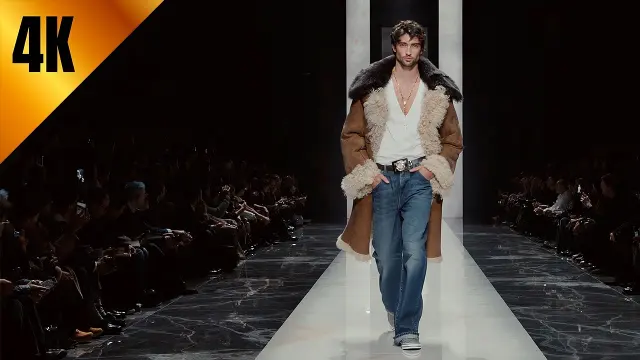
 Dolce & Gabbana Fall Winter 2026 Men's Show in Milan
#Dolce Gabbana
1 ideas
Dolce & Gabbana Fall Winter 2026 Men's Show in Milan
Get new #Dolce Gabbana ideas by email
Every Thursday: the week's best ideas, with the newest from #Dolce Gabbana.
Related tags
Dolce & Gabbana: A Guide to the Italian House's Style
Some hashtags gather a mood rather than a single object, and this one is a good example. Under #DolceGabbana you will find photographs of runways, red carpets, backstage moments, shop windows, editorial shoots and personal outfits that all share a recognisable atmosphere: Italian, sensual, theatrical, deeply attached to craft.
An Italian house with a southern soul
Dolce & Gabbana is a fashion house founded in Milan by two Italian designers who built their reputation on women's ready-to-wear and later extended the label into menswear, accessories, eyewear, fragrances and makeup. What distinguishes it from other Milanese names is its point of view: instead of minimalism, it looks south, toward Sicily and the Mediterranean, drawing on the imagery of fishing villages, baroque churches, family photographs, cinema and religious procession. The result is a style that treats dressing as a form of celebration rather than restraint.
The signature elements
Read more
A few codes recur season after season, which is why the look is easy to recognise.
- Black lace and corsetry, borrowed from lingerie and eveningwear and used as outerwear.
- Sharp men's tailoring worn by women, often as a suit with a defined waist.
- Prints with a narrative: Sicily, roses, animal skins, playing cards, vegetable motifs, painted by hand before being printed.
- Gold as a neutral: buttons, embroidery, jewellery-like details on bags and shoes.
- Traditional Italian craft: hand-finished embroidery, lace from historic workshops, knitwear and leatherwork.
The house is also known for its celebration of the curvaceous, feminine silhouette, and for a men's wardrobe that moves between relaxed Mediterranean ease and immaculate evening dress.
Where beginners should start
If you admire the aesthetic but do not want to look costumed, take one element and let the rest stay quiet. A black lace top with plain trousers, a sharply cut jacket over a simple dress, or a single animal-print accessory against monochrome will read as the same idea without overwhelming an everyday outfit. Colour helps: the palette is usually black, white, red, gold and warm earth tones rather than pastels.
Pay attention to fabric and finishing, since the style depends on them. Lace should feel substantial rather than fragile, prints should be well registered, and tailoring should sit cleanly at the shoulder. Care matters too: lace and embroidered pieces are best washed by hand or entrusted to a specialist cleaner, and structured bags and shoes last longer when stored with their shape supported.
Finally, remember that the look is carried by attitude as much as by clothes. Confidence, a little drama and a sense of humour about dressing are what the photographs under this hashtag really show.
#Dolce Gabbana: frequently asked questions
What is Dolce & Gabbana known for?
The house is recognised for a very Italian, sensual and theatrical style that draws on Sicily and the Mediterranean rather than on minimalism. Its recurring codes include black lace worn as outerwear, sharp tailoring, narrative prints inspired by flowers, playing cards and animal skins, and gold used almost like a neutral. Craft, hand-finished embroidery and a celebration of the feminine silhouette sit at the centre of the look.
How do I start wearing this style without looking costumed?
Pick a single signature element and let everything else stay quiet, so a lace top goes with plain trousers or a sharply cut jacket goes over a simple dress. Stay within the house palette of black, white, red, gold and warm earth tones, which keeps an outfit coherent instead of busy. The look reads best when it feels like attitude rather than a full outfit taken from a runway.
Which pieces are worth choosing first?
Start with something you will genuinely repeat: a well-cut jacket, a substantial lace top, or a single print or animal-motif accessory that lifts monochrome outfits. Pay attention to fabric and finishing, because the style depends on lace that feels weighty rather than fragile and on tailoring that sits cleanly at the shoulder. A structured bag or a pair of shoes in a classic shape will also carry the mood without demanding a whole wardrobe.
How should I care for lace, embroidery and structured accessories?
Lace and embroidered pieces are safest washed by hand or handed to a specialist cleaner, since delicate construction suffers in a normal cycle. Structured bags and shoes should be stored with their shape supported so they keep their lines between wears. Checking seams, trims and hardware before storing saves a lot of repair later.
What occasion outfits work best with this aesthetic?
It suits evenings, weddings and celebrations where a little drama is welcome, and it translates well to a dinner or a party through a lace top, a corset-style piece or a sharp suit. For daytime, keep the same codes but reduce them to a single detail against a restrained base. The mood is festive rather than formal, so confidence and a touch of humour carry it further than a full theatrical look.
What mistakes should I avoid?
The most common slip is stacking too many signature elements at once, so lace, bold print, gold hardware and dramatic tailoring all compete and the outfit loses its elegance. Choosing pastel or overly sweet colours also works against the house's warmer, darker palette. Finally, ignoring fabric quality undermines the whole idea, because this style is built on craft and finishing rather than on decoration alone.
Videos come from YouTube and posts from Instagram; titles and summaries are our own. All rights belong to their creators.