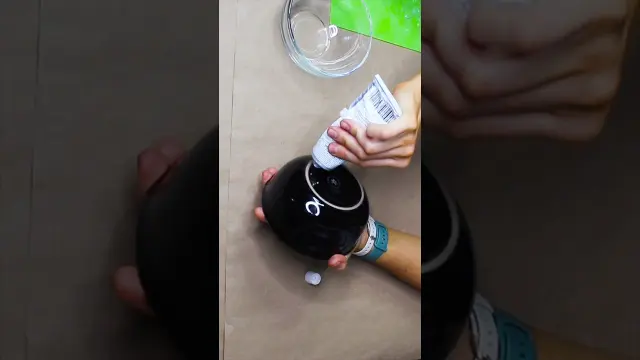
 Two Dollar Store Bowls Stacked Into a Decor Piece
#Dollar Store Crafts
1 ideas
Two Dollar Store Bowls Stacked Into a Decor Piece
Get new #Dollar Store Crafts ideas by email
Every Thursday: the week's best ideas, with the newest from #Dollar Store Crafts.
Related tags
Dollar Store Crafts: Simple Ideas for Every Home
Dollar store crafts are exactly what the name suggests: projects built from low-cost, ordinary household goods, reshaped into something decorative, useful or personal. The idea grows out of a much older tradition of thrift and making do — the habit of looking at a plain bowl, jar or frame and seeing what it could become instead of what it is. What makes this corner of crafting its own thing is the risk: because the materials cost so little, you can experiment freely, get it wrong, and start again without regret.
Why it appeals
There is very little pressure in it. You are not committing expensive supplies to an untested idea, so you can try a technique you have never used before, or make something for a single season and let it go afterwards. It also suits group projects, handmade gifts and small homes where a change of decor shouldn't mean a change of budget.
What people make
Read more
The range is wide, but a few kinds come up again and again:
- Decor built from shape rather than material: bowls stacked and joined into a sculptural piece, vases painted a single matte colour, trays and frames refreshed with a coat of paint.
- Storage and organisation: jars and baskets for the kitchen or bathroom, labelled boxes, drawer dividers.
- Seasonal pieces: wreaths, table settings and small ornaments made from cheap basics.
- Garden and outdoor touches: planters, lanterns and simple markers.
- Gifts and favours, often made in batches for a table or a celebration.
Techniques worth learning first
Painting is the most versatile skill here, and the one that changes a cheap object most. Plastic and glass usually need a primer or a paint made for that surface, and a light sanding helps paint grip. Decoupage — gluing paper, fabric or pressed flowers onto a flat surface with a craft medium — turns plain boxes and frames into something patterned. Beyond that, wrapping, stencilling, stacking and joining with the right adhesive cover most projects.
What beginners should know
Start by choosing the object, not the idea. Simple silhouettes and clean lines read as deliberate; fussy shapes are harder to rescue. Buy a spare of anything you plan to cut or drill, and practise on the spare.
Work in a ventilated space and follow the instructions on every paint, adhesive and spray. Keep craft finishes away from anything that will hold food or touch it directly, and use the right tool for glass and metal rather than forcing it. Hot glue and sharp edges deserve a moment's care, especially with children helping.
Unify the finished pieces with a limited colour palette and remove shop labels, stickers and cheap hardware before you start — those small details are what make a project look considered.
Getting a better result
Group things in odd numbers, repeat one colour across several objects, and pair your handmade pieces with one or two things you already love. Above all, buy only what you will actually use. The pleasure of this kind of crafting comes from making something good out of something plain — not from a cupboard full of half-finished supplies.
#Dollar Store Crafts: frequently asked questions
How do I get started with dollar store crafts?
Begin with the object rather than the project idea: pick up a plain bowl, jar, tray or frame you like the shape of, then decide what it could become. Simple silhouettes and clean lines tend to look deliberate once finished, while fussy shapes are much harder to rescue. If you plan to cut or drill something, buy a spare to practise on first.
What supplies do I actually need to keep on hand?
A versatile paint plus a primer suited to plastic or glass, a craft medium for decoupage, a reliable adhesive, and a little sandpaper will cover most projects. The right small tools for glass and metal matter more than a big stockpile. Buy only what you will genuinely use, since half-finished supplies left in a cupboard defeat the point of crafting cheaply.
Which dollar store items are worth choosing?
Look for pieces with a good basic shape and a surface you can work with: plain bowls, straight-sided jars, simple frames and open baskets. Check that lids, handles and hardware feel reasonably solid, and skip anything so ornate that it fights whatever you add. Removing labels, stickers and flimsy fittings before you begin makes a bigger difference than any single technique.
How should I care for things I've made?
Treat handmade finishes gently: dust with a soft cloth rather than soaking them, and keep painted or decoupaged pieces away from direct heat and prolonged damp. Anything you have decorated should not hold food or come into direct contact with it. Always follow the instructions on the paints, adhesives and sprays you used, since curing times vary.
What mistakes do beginners usually make?
The most common is shopping for an idea before finding the object, which leads to supplies that never get used. Others are leaving shop labels and cheap hardware in place, and mixing so many colours that the finished pieces look accidental rather than considered. A limited palette repeated across several objects pulls a group together.
What are good dollar store craft ideas for a celebration?
Batched small gifts and favours work well, as do table settings built around a repeated shape or colour. Seasonal wreaths, ornaments and simple lanterns are forgiving projects for a group to make together. Pair the handmade pieces with a few things you already own and love so the table looks styled rather than assembled.
Videos come from YouTube and posts from Instagram; titles and summaries are our own. All rights belong to their creators.