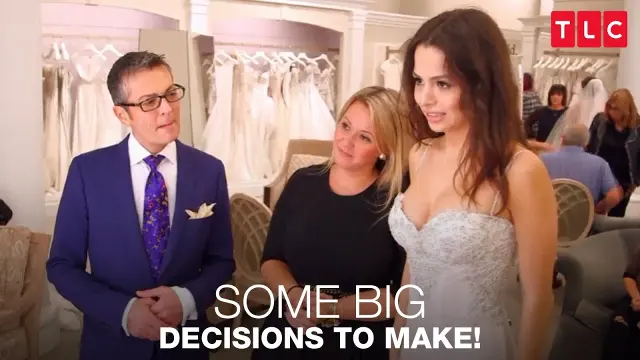
 Highlights of dramatic wedding dress choices on Say Yes to the Dress
#Dress Shopping
1 ideas
Highlights of dramatic wedding dress choices on Say Yes to the Dress
Get new #Dress Shopping ideas by email
Every Thursday: the week's best ideas, with the newest from #Dress Shopping.
Related tags
Dress Shopping: A Practical Guide to Finding the One
Dress shopping is the practice of choosing a dress for an occasion that matters — a wedding, a formal dance, a graduation, a religious celebration, a job interview or a significant birthday. It is part practical errand and part emotional exercise, which is why it so often feels more complicated than buying any other garment. A dress has to fit a body, suit a setting, match a budget and survive the moment the wearer looks in the mirror and decides whether they feel like themselves.
What it involves
The process usually moves through four stages: deciding what the occasion actually requires, setting a budget before entering any shop, trying on more dresses than expected, and committing. Each stage carries its own traps. The most common mistake is skipping the first one, then falling for a dress that is beautiful but wrong for the room it will be worn in.
The main kinds of dress shopping
Read more
- Occasion-led shopping, where a fixed date and dress code do most of the deciding. Wedding dresses, bridesmaid dresses and formal gowns fall here, and lead times can be long, so starting early matters more than choosing fast.
- Everyday shopping, where a dress is bought to be worn repeatedly. Comfort, fabric care and versatility outweigh drama.
- Resale and vintage shopping, where patience is the entry fee. Sizing is inconsistent and stock is unpredictable, but the range of styles is far wider than in a single shop.
- Made-to-measure and alterations, where an existing dress is adjusted rather than replaced. Good tailoring can transform a modest dress more reliably than a bigger budget.
What beginners should know
Know your measurements rather than your label size. Sizing varies between makers, and a number on a tag says nothing about fit. Wear appropriate undergarments and shoes you can walk in, and bring the person whose opinion genuinely helps you decide rather than the one who enjoys the outing most.
Ask about return policies, alteration costs and delivery times before you try anything on. A dress that cannot be returned, or that arrives too late, is a problem no amount of enthusiasm will solve.
Practical tips
Try on dresses in a range of silhouettes, even ones you assume will not suit you — assumptions about your own body are often wrong. Move in the dress: sit, walk, raise your arms. Check how the fabric behaves in daylight, not only under fitting-room lighting. If you are shopping for a group, agree on a colour range rather than an exact shade, since dye lots differ.
Above all, notice how you feel rather than how the dress photographs in your imagination. The right dress is the one you stop thinking about once it is on — it lets the occasion take the attention, and you simply attend it.
#Dress Shopping: frequently asked questions
How should I start shopping for a dress when I have an occasion coming up?
Start with the occasion itself: the setting, the dress code and how formal the event is will narrow the field far more than browsing does. Once that is clear, set your budget and note the timing before you look at a single dress, since ordering and alterations take longer than most people expect. Only then begin trying things on, because a beautiful dress that suits the wrong room is the most common regret.
What should I bring or prepare before a fitting?
Bring the shoes you plan to wear and undergarments that work with the style you are considering, since both change how a dress hangs and moves. Know your measurements instead of relying on the size you usually buy, as sizing shifts between makers. Bring one person whose judgement genuinely helps you decide, not a crowd whose opinions will pull you in different directions.
What are the main ways to shop for a dress, and how do they differ?
Occasion-led shopping is driven by a fixed date and dress code, so starting early matters more than deciding quickly. Everyday shopping favours comfort and fabrics that wear well repeatedly, while resale and vintage shopping trade predictability for a much wider range of styles. Alterations are the quiet alternative: good tailoring can do more for a plain dress than spending more money on a new one.
Which dress silhouette should I choose?
Try on more shapes than you think you should, including ones you assume will not suit you, because guesses about your own body are often wrong. Judge by movement as much as by mirror appearance: sit, walk and raise your arms in each dress. Look at the fabric in daylight too, since fitting-room lighting flatters almost everything.
What mistakes do people commonly make when buying a dress?
The biggest one is falling for a dress before working out what the event actually requires. The second is failing to ask about returns, alteration costs and delivery times until after the decision is made, which turns an enthusiasm problem into an unfixable one. A third is buying for an imagined version of the occasion rather than noticing how the dress feels once it is on.
How do I care for a dress so it lasts beyond one occasion?
Check the care label before buying rather than after, because delicate fabrics and heavy embellishment can demand cleaning methods you may not want to maintain. Deal with any marks soon after wearing instead of letting them settle, and store the dress clean, hung or folded as its fabric prefers. A dress that is looked after can be worn to several occasions, which is often the difference between a good buy and a wasted one.
Videos come from YouTube and posts from Instagram; titles and summaries are our own. All rights belong to their creators.