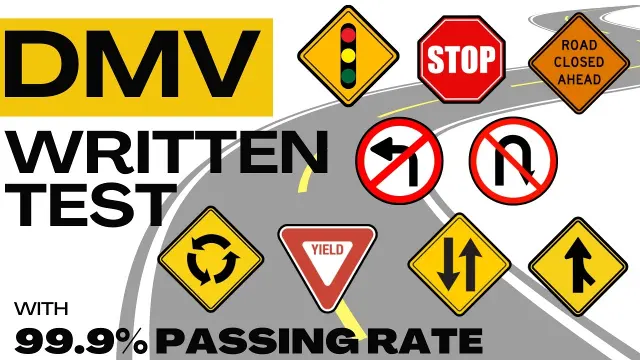
 DMV Written Test Simulation With Practice Questions And Answers
#Driving Rules
3 ideas
DMV Written Test Simulation With Practice Questions And Answers
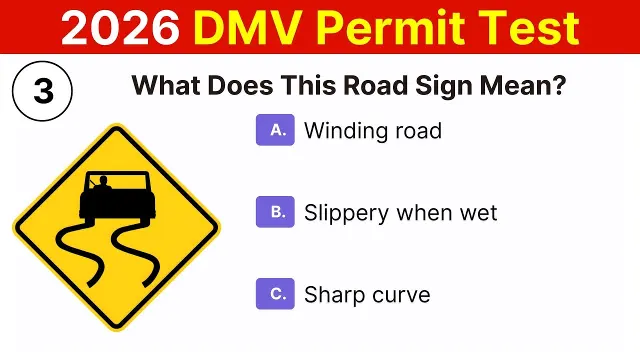 DMV Permit Practice Test Focused On Road Signs And Rules
 Actual DMV Written Test Practice With Real Exam Questions
Get new #Driving Rules ideas by email
Every Thursday: the week's best ideas, with the newest from #Driving Rules.
Related tags
Driving Rules and Road Safety Basics
Driving rules are the laws and shared habits that help traffic move safely and predictably. They tell you how to use the road, when to stop, who has priority, how to turn, and how to behave around other drivers, cyclists, and pedestrians. No matter where you drive, the basic idea is the same: everyone follows the same rules so that roads stay orderly and safer for all.
Why driving rules matter
Good driving is not just about controlling a vehicle. It is also about reading the road, anticipating what others may do, and making calm, legal choices. When you follow the rules, you reduce confusion and give other road users time to react. That is especially important at intersections, crossings, roundabouts, merging lanes, and busy parking areas.
The main kinds of driving rules
Read more
Some rules are about movement. These include speed limits, lane use, passing, turning, reversing, parking, and keeping a safe following distance. Others are about communication, such as using indicators, lights, mirrors, and hand signals where appropriate. Road signs and markings also form a large part of the rules, because they tell you what is allowed, what is required, and what danger may be ahead.
A few basics come up again and again:
- Obey speed limits and adjust for weather, traffic, and visibility.
- Use your indicators before turning, changing lanes, or pulling away.
- Stop fully where required, especially at stop signs and red lights.
- Give way when another road user has priority.
- Stay in your lane unless the road markings and conditions allow a safe change.
- Do not overtake unless it is legal and clearly safe.
Right of way and intersections
Right of way is one of the most important ideas in driving rules. It is the order in which road users are expected to move. At intersections, this may depend on traffic lights, stop signs, yield signs, lane markings, or the direction from which vehicles arrive. If there is any doubt, the safest choice is to slow down and wait.
Pedestrians often have priority at crossings, and extra care is needed near schools, residential streets, and parking lots. Be patient. Many crashes happen when drivers assume they can “beat” another road user rather than waiting for a clear gap.
Road signs and markings
Road signs are usually grouped into warning signs, regulatory signs, and guide signs. Warning signs alert you to bends, crossings, or hazards ahead. Regulatory signs tell you what you must or must not do. Guide signs help you find routes, exits, and destinations. Markings on the road can separate lanes, show where you may stop, or indicate areas where passing is not allowed.
Practical habits for beginners
If you are new to driving, focus on consistency rather than speed. Look far ahead, check mirrors often, and build the habit of scanning for people, bikes, and parked cars opening doors. Leave space around your vehicle, especially in traffic or bad weather. If a rule or sign is unclear, slow down and choose the cautious option.
Driving rules may seem strict at first, but they become second nature with practice. Once you understand the logic behind them, you can drive more smoothly, more confidently, and with greater respect for everyone sharing the road.
Videos come from YouTube and posts from Instagram; titles and summaries are our own. All rights belong to their creators.