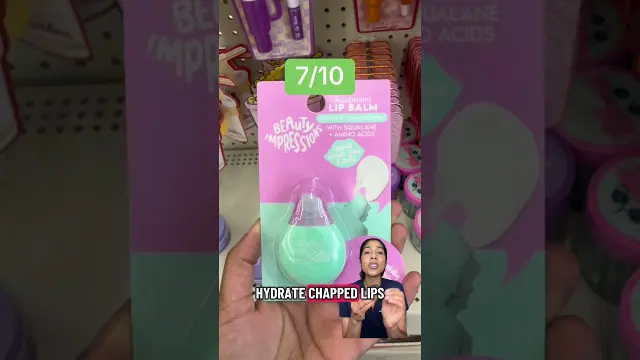
 Dollar Tree Skincare Products Worth Buying Again and Again
#Drugstore Skincare
1 ideas
Dollar Tree Skincare Products Worth Buying Again and Again
Get new #Drugstore Skincare ideas by email
Every Thursday: the week's best ideas, with the newest from #Drugstore Skincare.
Related tags
Drugstore Skincare: A Practical Guide for Beginners
Drugstore skincare is the everyday side of beauty: products sold in pharmacies, supermarkets and high-street chemists, made for a wide audience and priced so that taking care of your skin does not feel like a luxury. The category covers cleansers, toners, moisturisers, sunscreens and treatment products, plus body care and lip care. What makes it distinctive is not a single style or ingredient but its accessibility — these are the shelves most people reach for first, and many of them remain favourites long after a routine has matured.
Where it comes from
Mass-market skincare grew alongside the modern pharmacy. As cleansing and moisturising moved from homemade preparations into packaged products, manufacturers began selling reliable basics at prices ordinary households could manage. Over the decades the aisle widened: sunscreens became mainstream, gentle formulations appeared for sensitive skin, and active ingredients once found only in specialist ranges started turning up in affordable ones. Today a drugstore shelf holds a mix of heritage formulas that have barely changed and newer products built around the same trusted ingredients.
The basic categories
Read more
A workable routine does not need many steps. A gentle cleanser removes makeup, sweat and excess oil without stripping the skin. A moisturiser supports the skin barrier and helps it hold water. A sunscreen is the single most valuable daily product, used generously and reapplied when you are outdoors. Beyond these, a toner can refresh, an exfoliant can smooth, and targeted treatments address specific concerns.
Drugstore ranges usually organise themselves by skin type: oily, dry, combination, sensitive, and increasingly by concern such as dullness or uneven tone. Familiar ingredients are worth learning to recognise, because they appear across almost every price point — glycerin and hyaluronic acid for hydration, niacinamide for balance, salicylic acid for congested skin, vitamin C for brightness, ceramides for barrier support, and zinc oxide or chemical filters for sun protection.
What beginners should know
Start small. Two or three products used consistently will teach you more about your skin than a shelf full of novelties. Introduce one new product at a time, give it a few weeks, and note how your skin responds before adding another — this makes it far easier to tell what helps and what does not.
Patch test anything new on a small area first, especially if you have reacted to products before. Fragrance-free and "sensitive skin" options are a sensible starting point if your skin is easily irritated. More product is not better: a pea-sized amount of a treatment and a generous, even layer of sunscreen are both correct, but doubling up on actives rarely helps.
Shopping tips
Read the ingredient list rather than the front of the pack, which is written to sell. Compare the same category across brands — a plain moisturiser is often nearly identical from one label to the next. Check expiry dates and prefer smaller sizes when trying something new. Store products away from direct heat and sunlight.
Finally, be patient and be kind to yourself. Skin changes with weather, sleep, stress and age, and no routine performs perfectly every day. Consistency and sun protection will carry you further than any single purchase.
#Drugstore Skincare: frequently asked questions
How do I start a drugstore skincare routine without buying everything at once?
Begin with the essentials only: a gentle cleanser, a moisturiser, and a sunscreen you actually enjoy wearing. Use them consistently for a while before adding anything else, so you learn how your skin behaves with a simple baseline. Introducing one new product at a time makes it much easier to tell what is helping and what is not.
Which drugstore skincare products are genuinely necessary and which are optional?
Cleanser, moisturiser and sunscreen do the core work, and everything else is a bonus layered on top. Toners, exfoliants and targeted treatments can be worthwhile, but they address specific concerns rather than basic upkeep. If your routine feels crowded, drop back to the essentials first.
How do I choose drugstore products for my skin type?
Ranges on the shelf are usually grouped by skin type, so start there and let the ingredient list guide you rather than the claims on the front of the pack. Learn a few familiar ingredients and what they do, since the same ones appear across almost every price point. If your skin irritates easily, unscented and sensitive-skin options are the safer place to begin.
How long should I give a new skincare product before deciding whether it works?
Give it a few weeks of regular use, since skin responds gradually and a single application tells you very little. Patch test first on a small area, particularly if you have reacted to products before. If something stings, dries you out or causes a breakout, stop rather than pushing through.
What are the most common mistakes people make with drugstore skincare?
Using too many actives at once is the usual culprit, since more product rarely means better results. Another is buying on packaging promises instead of reading the ingredient list and comparing similar products across labels. Skipping sunscreen, or applying it thinly and forgetting to reapply outdoors, undoes much of the good the rest of the routine does.
How should I store and look after my skincare products?
Keep them away from direct heat and sunlight, which degrade formulas faster than most people expect. Check expiry dates and favour smaller sizes when you are trying something new, so you are not stuck with a large bottle you never finish. A cool, dry cupboard is better than a steamy bathroom shelf.
Videos come from YouTube and posts from Instagram; titles and summaries are our own. All rights belong to their creators.