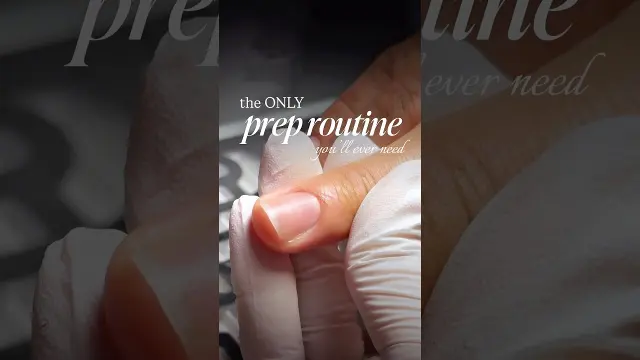
 The Ultimate Russian Manicure Nail Prep Routine
#E-File Manicure
1 ideas
The Ultimate Russian Manicure Nail Prep Routine
Get new #E-File Manicure ideas by email
Every Thursday: the week's best ideas, with the newest from #E-File Manicure.
Related tags
E-File Manicure: A Guide to Electric Nail Filing
An e-file manicure is a manicure in which the nail technician shapes, cleans and refines the nails with an electric file rather than relying only on hand tools. The device — also called a nail drill or nail file machine — is a small motor with a handpiece that holds interchangeable rotating bits. Used with skill, it removes dead tissue and old product quickly and precisely, leaving a surface that is smooth and ready for polish or gel.
The tool came into nail care from other trades. Rotary handpieces have long been used in jewellery, woodwork and dentistry, and nail technicians adapted the idea: a motor that spins a small abrasive bit at a controlled speed is far more efficient than a disposable file for detailed work around the cuticle and sidewalls. The technique became especially associated with Russian and Eastern European manicure styles, where dry cuticle work with a file is standard, and it has since spread widely through professional salons.
What it is used for
- Shaping and shortening the free edge, including difficult shapes and thick nails.
- Cleaning the nail plate and gently removing cuticle tissue that clings to it.
- Removing gel polish, builder gel or acrylic without soaking.
- Smoothing ridges and imperfections on the natural nail plate.
- Refining the surface before applying product, so it adheres evenly.
Read more
Bits and how they differ
Bits vary by material and by coarseness. Carbide bits cut quickly and are generally used on product or the free edge. Ceramic bits run cooler and are often chosen for work on the nail plate. Diamond bits are finer and gentler, useful for detailed cuticle work and for smoothing. Grit is described on a scale from coarse to fine: coarse bits remove material fast, fine bits refine and polish. A technician selects a bit according to the job and the thickness of what is being worked on, and matches the speed of the machine to the bit.
What beginners should know
Control matters far more than speed. Light, sweeping passes with the bit moving in one direction are kinder to the nail than holding it in one spot. The bit should never be pushed hard into the nail plate, and the cuticle area needs a steady, careful hand — it is the part of the manicure where mistakes are easiest to make.
Dust is the other consideration. Filing creates fine particles, so good practice means working with a dust extraction unit or a mask, and keeping the working area clean. Bits should be cleaned and sterilised between clients, and tools that cannot be sterilised should be disposable.
If you are learning, practise on tips or on yourself under supervision before working on others, and keep your machine at low speeds until your hand is confident. A well-used e-file is not rougher than a hand file — it is simply faster and more exact, and the gentleness comes from the person holding it.
#E-File Manicure: frequently asked questions
What exactly is an e-file manicure, and how does it differ from a standard one?
It is a manicure where the technician uses a small electric file with a rotating bit instead of relying only on hand tools. The motorised bit lets them shape, clean and refine the nail far more precisely and quickly, which is why the finish often looks neater around the cuticle and sidewalls. The result is not a different kind of manicure so much as a faster, more exact way of doing the same steps.
What do I need to get started with an e-file at home?
You need the machine itself with a handpiece, a selection of bits in different materials and grits, and a way to manage the dust that filing creates. A dust extraction unit or a mask, plus a clean working area, matters more than buying the fanciest tool. Start with a small set of bits suited to natural nails and add specialist ones as your work demands them.
Which bits should a beginner choose, and how do I know which to use?
Carbide bits are the quick cutters, best kept for product removal and the free edge, while ceramic bits run cooler and diamond bits are the fine, gentle choice for detailed work near the cuticle. Grit runs from coarse to fine, and the rule of thumb is that coarse removes material and fine refines. Pick the bit for the job and the thickness of what you are working on, then set the machine speed to match it rather than forcing a fine bit to do heavy work.
How do I keep the nails and the tool safe and well cared for?
Light, sweeping passes in one direction are gentler on the nail than holding the bit in one spot, and the bit should never be pressed hard into the plate. The cuticle area needs the steadiest hand because that is where slips are easiest to make. Between uses, clean and sterilise the bits, discard anything that cannot be sterilised, and keep dust under control so the particles do not end up in your lungs or across the room.
What mistakes do people make most often when learning?
The commonest is treating speed as the answer — going too fast and too hard because the machine feels like it should cut quickly. The second is lingering in one place, which heats and thins the nail instead of refining it. Practise on tips or on yourself under supervision, keep the machine slow until your hand feels confident, and remember the gentleness comes from the person holding the tool, not from the tool itself.
Why is the e-file so closely tied to Russian-style manicures?
Russian and Eastern European manicure styles build their prep around dry cuticle work done with a file, so a rotary tool fits naturally into that routine. The e-file lets the technician clean the nail plate and refine the area around the cuticle without soaking, which keeps the surface dry and ready for product. That is why a Russian-style prep routine is often the first place people encounter the technique.
Videos come from YouTube and posts from Instagram; titles and summaries are our own. All rights belong to their creators.