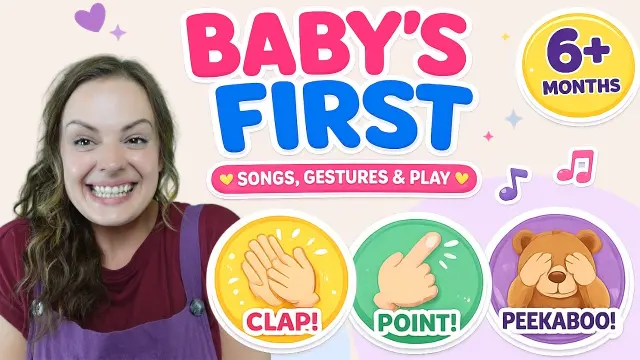
 Baby Learning Video with Gentle Songs and Gestures
#Early Communication
1 ideas
Baby Learning Video with Gentle Songs and Gestures
Get new #Early Communication ideas by email
Every Thursday: the week's best ideas, with the newest from #Early Communication.
Related tags
Early Communication in Babies and Toddlers
What early communication means
Early communication is the way babies and young children begin to connect with the people around them before they can speak clearly. It starts with simple things like eye contact, facial expressions, crying, reaching, babbling, and reacting to voices. These early exchanges are the foundation for later speech, listening, and social connection.
From the beginning, children communicate for a reason. They may want comfort, food, attention, play, or simply to share an experience. You may notice that a baby calms when hearing a familiar voice, turns toward a sound, or smiles in response to yours. These are all signs that communication is already taking shape.
How it develops
Read more
Early communication usually grows in small steps. First comes attention to sound and movement, then shared smiles, then turn-taking through sounds and gestures, and later words and short phrases. Babies often use their whole body to communicate: kicking, leaning, waving, pointing, and changing their tone to show excitement or frustration.
Different children develop at different rhythms. Some are especially vocal, while others prefer gestures or quiet observation at first. What matters most is that the child is trying to connect, and that the adults around them respond.
Ways children communicate before words
- Crying to signal a need or discomfort
- Smiling and making eye contact to invite interaction
- Babbling and experimenting with sounds
- Reaching, pointing, or showing objects
- Copying expressions, sounds, or simple actions
- Turning toward familiar voices or names
These early signals are important because they show that the child is learning how communication works: one person acts, the other responds, and the exchange continues.
How you can support it
The best support is usually simple and consistent. Talk to the child often, even before they can answer. Describe what you are doing in everyday language. Pause sometimes and give them time to respond, since communication is a two-way process. If they babble or gesture, treat it as meaningful and answer back.
A few useful habits can help:
- Make eye contact when possible
- Respond to sounds, gestures, and expressions
- Use short, clear sentences
- Name familiar objects, people, and actions
- Sing, read, and repeat comforting routines
- Follow the child’s focus during play
It also helps to create quiet moments without too much noise or distraction, so the child can notice voices, facial expressions, and turn-taking more easily.
What to keep in mind
Early communication is not only about speech. Listening, attention, shared enjoyment, and understanding simple social cues are part of the process too. If you are concerned that a child rarely responds to sound, avoids eye contact consistently, or is not progressing in communication over time, it is sensible to seek advice from a qualified professional. Early support can be helpful whenever questions arise.
Most of all, remember that communication grows through everyday connection. Warm, attentive interaction gives a child the confidence to keep trying, first with gestures and sounds, and later with words.
Videos come from YouTube and posts from Instagram; titles and summaries are our own. All rights belong to their creators.