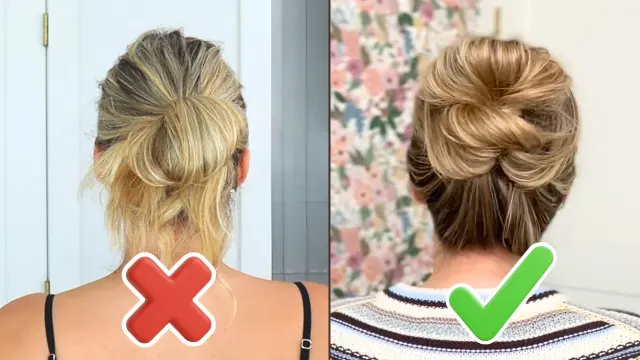
 Easy Hair Trick for a Trendy Messy Bun on Medium and Long Hair
#Easy Bun
14 ideas
Easy Hair Trick for a Trendy Messy Bun on Medium and Long Hair
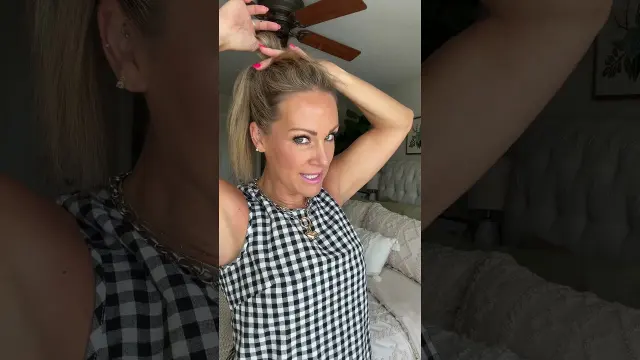 Easy Messy Bun Hairstyle for Fine Hair
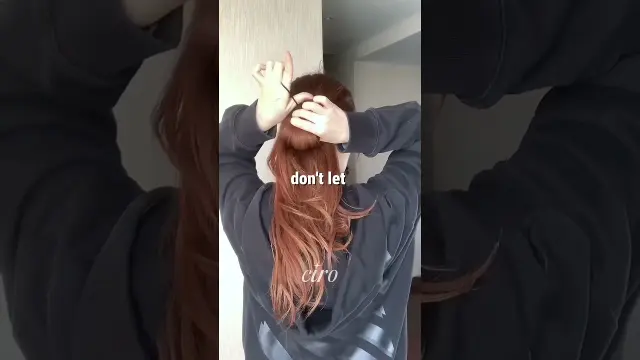 Secure Low Messy Bun Hack for All Day Hold
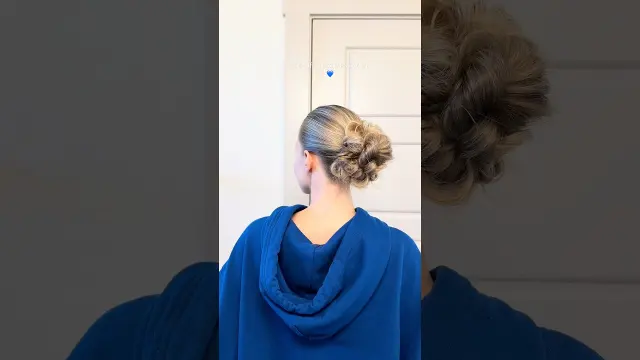 Effortless Voluminous Messy Bun Idea
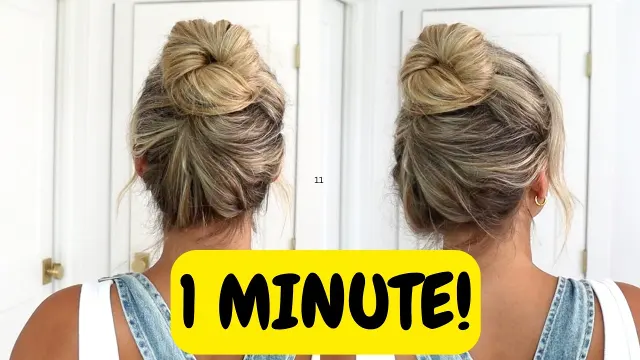 One Minute Easy Messy Bun Hair Tutorial
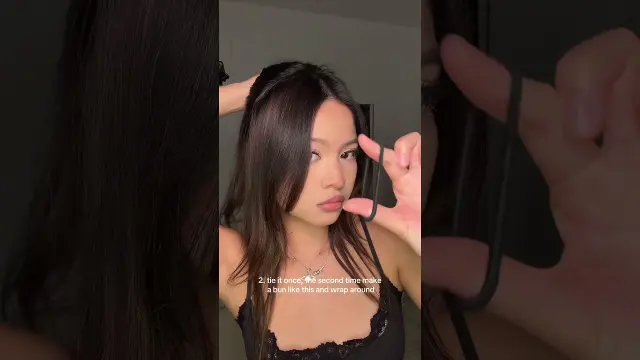 Simple and Fast Messy Bun Tutorial
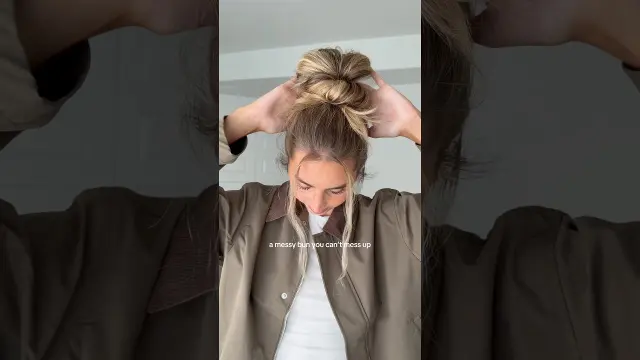 Perfect Everyday Messy Bun Hair Inspiration
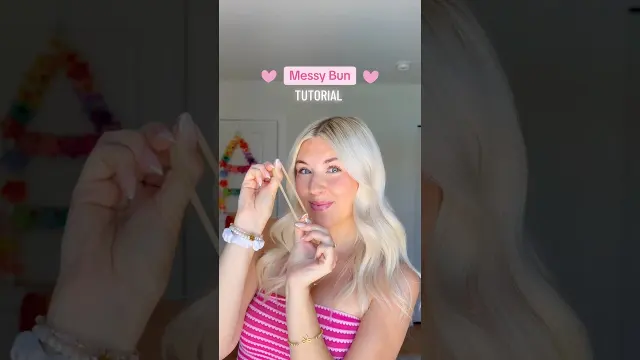 Quick and Simple Messy Bun Hair Tutorial
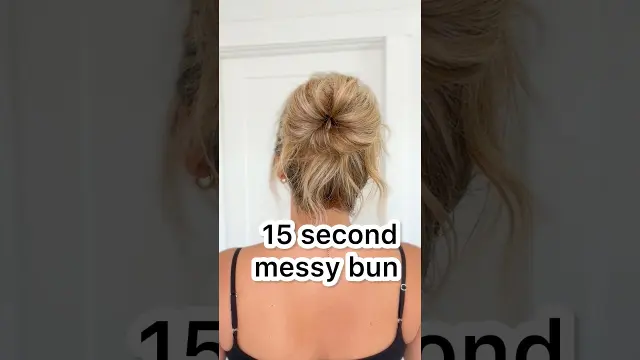 Fifteen Second Messy Bun Hair Tutorial
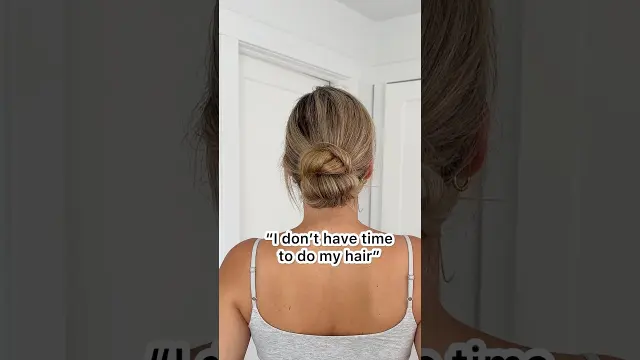 Low Bun Updo Hairstyle in Under Two Minutes
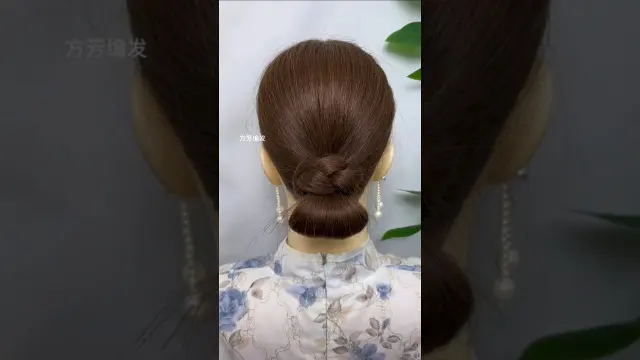 Easy Elegant Low Bun Hairstyle Without Pins
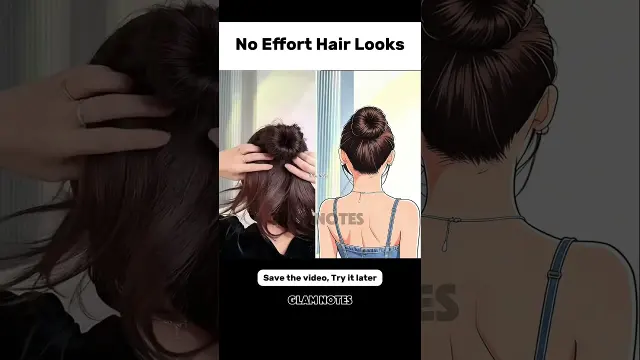 Easy High Bun Hairstyle Tutorial for Long Hair
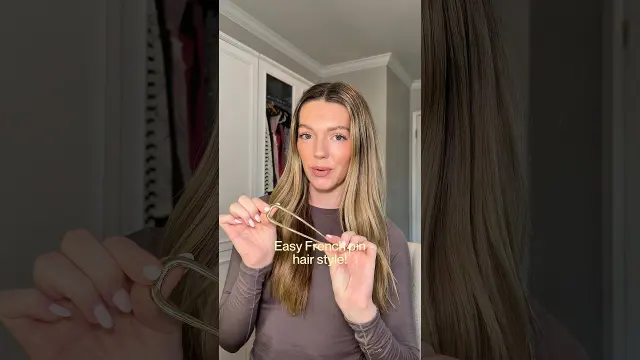 Easy French pin bun updo hairstyle
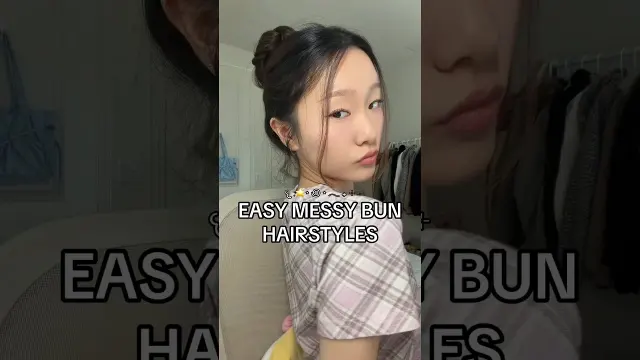 Simple messy bun hairstyles suitable for school or work
Get new #Easy Bun ideas by email
Every Thursday: the week's best ideas, with the newest from #Easy Bun.
Related tags
Easy Bun Hairstyles and Styling Basics
A bun is one of the simplest and most useful hairstyles you can learn. It gathers the hair into a knot or coil, usually at the back or top of the head, and can be worn neatly or loosely depending on the look you want. Buns have been part of everyday grooming for a long time because they keep the hair secure, comfortable, and off the face.
What an easy bun is
An easy bun is less about a strict shape and more about a method that is quick to do and easy to wear. It can be smooth and tidy, softly pinned, or slightly undone for a relaxed finish. You can wear a bun for work, home, exercise, travel, or more dressed-up occasions, depending on how you style it.
Buns suit many hair lengths and textures, although the result will vary. Longer hair usually gives more fullness, while medium-length hair may create a smaller knot or need a few extra pins. Fine hair may benefit from a bit of texture, while thick hair may need stronger support.
Read more
Common bun styles
There are several familiar versions of the bun, each with its own feel:
- A low bun sits near the nape of the neck and often looks soft and elegant.
- A high bun is placed on the crown or top of the head and feels neat or playful.
- A messy bun is loosely gathered for a relaxed, undone look.
- A twisted bun is made by twisting sections before wrapping them into shape.
- A braided bun combines braiding and coiling for a more detailed finish.
Basic techniques
Most easy buns start with the hair gathered into a ponytail or held together by hand. From there, the hair is twisted, wrapped, folded, or looped into a knot and secured with pins or an elastic. Some buns are made from one simple coil, while others use several sections pinned around a center.
If you want the bun to stay in place, it helps to work with hair that has a little grip. Very silky hair may slip more easily, so a touch of texture can make styling simpler. If your hair is freshly washed and too soft, you may find it easier to work with it after it has dried a little or been lightly brushed through.
Practical tips for beginners
Start with a style that matches your hair, not a picture you are trying to copy exactly. A bun can be neat, loose, high, low, or slightly uneven and still look lovely.
- Use a mirror and practice the movement a few times.
- Keep a few pins or an elastic close by before you start.
- Don’t pull too tightly, especially around the scalp.
- Let a few strands fall free if you want a softer finish.
- Adjust the bun once it is pinned so it feels comfortable.
If your bun feels heavy, split the hair into sections before twisting it. If it looks flat, gently loosen part of the bun after securing it. Small changes can make a big difference.
Why the easy bun lasts
The easy bun stays popular because it is practical, adaptable, and quick to learn. It can look simple or refined without much effort, and once you understand the basic shape, you can make many variations from the same idea.
#Easy Bun: frequently asked questions
How do I make an easy bun if I've never done one before?
Gather your hair as if making a ponytail, then twist or fold it into a knot and pin it where it feels stable. Practice the motion a few times in front of a mirror rather than aiming for a perfect picture, and adjust once it's secured. Most people get a wearable result on the first or second try.
What do I need to put my hair up in a bun?
An elastic and a few pins are enough for most buns, so keep them within reach before you start. Hair with a little grip holds better, so very soft or freshly washed hair can be lightly brushed or left to dry a bit first. Thick hair may need stronger support, while fine hair often benefits from added texture.
Which bun style should I pick?
Choose by the mood you want rather than copying an exact photo: a low bun reads soft and elegant, a high bun feels neat or playful, and a loose messy bun looks relaxed. Twisted and braided versions add detail if you want something more finished. Match the height and tightness to your hair length and to where you're going.
How do I keep a bun comfortable and in place all day?
Avoid pulling tightly around the scalp, since that is what usually makes a bun feel sore or heavy. If the weight bothers you, split the hair into sections before twisting, and loosen the shape slightly after pinning so it doesn't sit flat. A quick adjustment once it's up often makes the difference between a bun you forget about and one you keep fixing.
What are common mistakes people make with an easy bun?
The usual ones are starting without pins nearby, pulling everything too tight, and expecting a bun to look identical to a tutorial. Another is working with hair that is too silky to grip, which makes the whole thing slide apart. Leaving a few strands free and loosening the finished shape usually fixes both the look and the comfort.
Can I wear the same bun for work, school, and dressed-up occasions?
Yes, which is part of why the style is so useful: the same basic bun can be worn smooth and low for something formal, or loosely gathered for everyday wear. Small changes such as the height, how tight you wrap it, or letting strands fall free shift it from casual to polished. Once you know the basic shape, variations take very little extra time.
Videos come from YouTube and posts from Instagram; titles and summaries are our own. All rights belong to their creators.