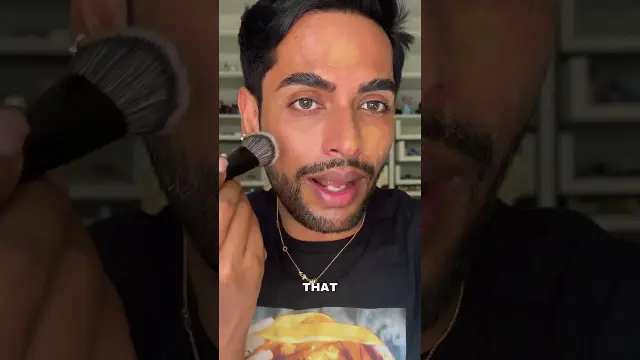
 Ten Minute Quick Snatched Face Makeup Routine
#Easy Makeup
1 ideas
Ten Minute Quick Snatched Face Makeup Routine
Get new #Easy Makeup ideas by email
Every Thursday: the week's best ideas, with the newest from #Easy Makeup.
Related tags
Easy Makeup: Simple Routines for a Natural Look
Easy makeup is the practice of getting a fresh, put-together face with as few steps and products as possible. It is less a specific look than an approach: instead of layering many products and correcting as you go, you choose a handful of things that do the most for your face and apply them in a fixed order. The idea has existed in various forms for a long time — the everyday "wash-and-go" face, the polished minimalism often described as no-makeup makeup — and it appeals because it fits into a real morning.
What easy makeup is built on
The logic is simple: even the skin, add colour where the face naturally has it, and define the features you want noticed. Everything else is optional. A typical short routine includes a light base, something for the brows, a bit of colour on the cheeks and lips, and mascara. That is enough to look intentional without looking made up.
The usual steps
Read more
- Skin preparation. Clean, lightly moisturised skin holds makeup more evenly. If your skin tends to shine, a little powder in the centre of the face helps.
- Base. A tinted moisturiser, a light foundation or simply concealer on the areas that bother you. Sheer layers look more natural than one heavy one.
- Brows. A brush-through and a few small flicks of pencil or powder frame the face more than most people expect.
- Colour. Cream blush placed on the apples of the cheeks and blended outward, then a tinted lip balm or a soft lipstick.
- Eyes. Mascara is the quickest way to look awake. Eyeliner and shadow are extras, not requirements.
Techniques worth knowing
Blend with your fingers where you can — cream products warm up and melt into the skin, and fingers are fast. Build in thin layers rather than trying to fix a heavy application. Work in daylight or near a window when you can, since bathroom lighting flatters everything. And keep the number of products small enough that you can repeat the routine without thinking, because speed comes from repetition rather than from shortcuts.
Main styles
Within easy makeup there are a few recognisable directions. The natural look uses sheer coverage and skin-like shades. The "one-colour" approach uses a single blush tone on cheeks, lips and sometimes eyes for instant harmony. A focus look keeps the face bare and puts all the emphasis on one feature, usually lips or lashes. And the travel or desk kit is a minimal set of three or four items kept in a bag for touching up.
For beginners
Start with fewer products than you think you need and add one at a time over a few weeks, so you learn what each actually does. Match base and concealer to your skin in natural light along the jaw, not on the hand. Choose shades slightly softer than you are drawn to — they are more forgiving and easier to blend. Wash brushes regularly, replace products that smell or have changed texture, and patch-test anything new if your skin is sensitive. A patch test is not a diagnosis; if a product irritates your skin, stop using it and ask a pharmacist or doctor for advice.
Easy makeup works best when it is treated as a small, reliable habit rather than a performance — a few minutes that leave you looking like yourself, only more rested.
#Easy Makeup: frequently asked questions
How do I get started with easy makeup without buying a lot of products?
Begin with a light base, something for your brows, a touch of colour for cheeks and lips, and mascara — that combination already looks intentional. Add one new product at a time over the following weeks so you learn what each one actually does for your face. Starting small also keeps the routine repeatable, and speed comes from repetition rather than from clever shortcuts.
What do I really need in a minimal makeup kit?
A sheer base or concealer, a brow pencil or powder, a cream blush, a tinted balm, and mascara cover the essentials. If you want a kit that lives in your bag, keep just a couple of items you can apply without a mirror or a brush. Anything beyond that — liner, shadow, highlighter — is an extra rather than a requirement.
Which style of easy makeup should I choose?
It depends on what you want people to notice: the natural look keeps coverage sheer and shades close to your skin, while the one-colour approach uses a single blush tone on cheeks, lips and sometimes eyes for instant harmony. If you would rather keep the face bare, pick a focus look and put all the emphasis on lips or lashes. The travel kit is less a style than a practical set for touching up during the day.
What are the most common mistakes people make with easy makeup?
The usual ones are applying one heavy layer instead of building thin ones, and choosing shades bolder than you are comfortable with — softer tones are more forgiving and blend more easily. Matching base to the jaw in natural light rather than on the hand makes a big difference, since bathroom lighting flatters almost anything. Trying to correct a heavy application usually makes it worse, so it is easier to build up slowly.
How should I look after my products and tools?
Wash your brushes regularly and replace anything that has changed texture or started to smell. If your skin is sensitive, try a small amount of a new product on a patch of skin first. If something does irritate you, stop using it and ask a pharmacist or doctor rather than treating it yourself.
Can easy makeup work for an occasion, not just everyday?
Yes — the approach scales by shifting emphasis rather than by adding layers. Keep the base sheer and put the extra effort into one feature, such as a stronger lip or more defined lashes, which reads as polished without looking heavy. A quick snatched-style routine done in daylight and blended with your fingers is usually all an occasion needs.
Videos come from YouTube and posts from Instagram; titles and summaries are our own. All rights belong to their creators.