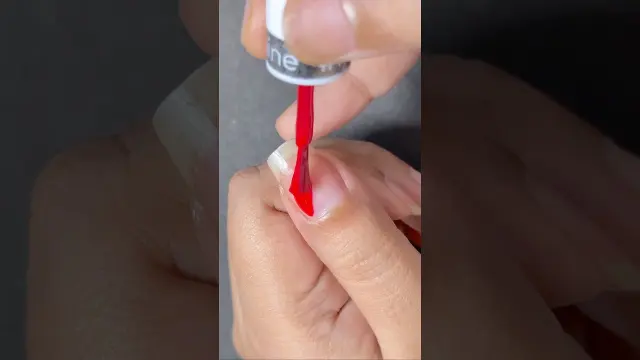
 Easy nail art ideas for short nails
#Easy Nail Art
1 ideas
Easy nail art ideas for short nails
Get new #Easy Nail Art ideas by email
Every Thursday: the week's best ideas, with the newest from #Easy Nail Art.
Related tags
Easy Nail Art: A Beginner's Guide
Nail art is the practice of decorating the nails with colour, pattern or small embellishments, and it has a long history behind its modern, playful look. Tinted and painted nails appear in ancient cultures across the world, where colour signalled status, ceremony or simply care of the body; the modern habit of painting nails at home grew alongside the twentieth-century cosmetics industry. What makes it appealing today is how accessible it is: a few small tools and a little patience are enough to turn a plain manicure into something personal.
Easy nail art is less about elaborate designs and more about clean, repeatable results. Most beginners are surprised to find that tidiness matters more than the pattern itself. A simple stripe painted neatly looks better than a complicated design that smudges.
Start with the basics
Before any decoration, the foundation decides whether your work survives the week. Trim and file nails to a shape you like, push back the cuticles gently, and wipe the surface to remove natural oils — polish grips better to a clean, dry nail. A thin base coat protects the nail and smooths the surface. Then apply colour in two thin layers rather than one thick one; thin layers dry faster and wrinkle less. Finish with a top coat, and refresh it every couple of days to keep edges sealed.
Read more
Simple techniques worth learning
- Accent nail: paint one nail on each hand in a contrasting shade and leave the rest plain. It takes no extra skill and reads as deliberate.
- Dots: a dotting tool, the end of a pin, or a toothpick dipped in polish makes flowers, polka patterns or tiny berries. Let each colour dry before adding the next.
- Stripes: thin tape or a steady hand with a fine brush creates lines, chevrons and colour blocking. Peel tape away while the polish is still slightly tacky.
- Half-moons and tips: a curved guide or a steady sweep gives a classic retro look with just two colours.
- Stamping and stickers: pre-made plates and decals give sharp patterns without freehand control. They are a fair shortcut, not a cheat.
Choosing colours and finishes
Two or three shades that already work together in your wardrobe are plenty. A light neutral plus one strong colour covers most simple designs. Matte and glossy top coats change the mood of the same polish entirely, and a single glitter accent adds sparkle without fuss.
Practical tips
Work in good light, and keep a small brush dipped in remover nearby to clean up edges — sharp lines come from clean-up, not from a perfect first stroke. Do one hand fully before starting the other, so you are not touching wet polish. Give each layer time to dry; rushing is the main cause of smudges and dents. If a nail chips, repaint that nail rather than the whole hand.
For short nails
Short nails are not a limitation. Keep the design small and centred, favour vertical stripes or a single dot at the base to create the impression of length, and avoid crowding the whole nail with pattern. A clear top coat over a sheer tint keeps things neat when time is short.
Above all, treat it as play. Simple designs are meant to be repeated, adjusted and abandoned halfway if they stop being fun.
Videos come from YouTube and posts from Instagram; titles and summaries are our own. All rights belong to their creators.