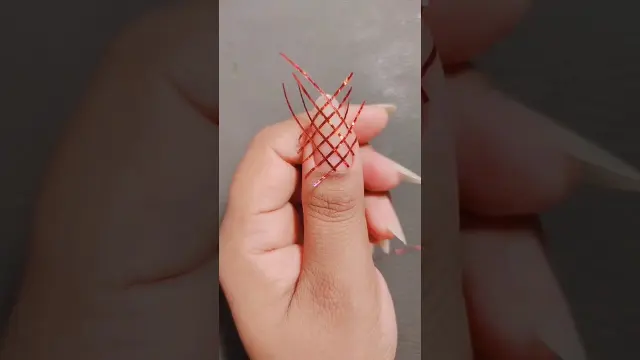
 Easy Painted Nail Design for a Quick Manicure Refresh
#Easy Nail Designs
2 ideas
Easy Painted Nail Design for a Quick Manicure Refresh
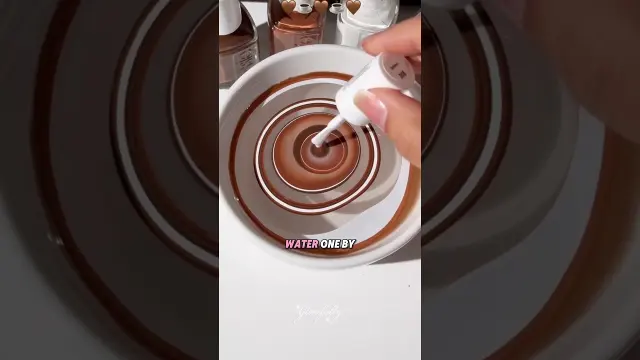 Coffee-Inspired Nail Art You Can Recreate at Home
Get new #Easy Nail Designs ideas by email
Every Thursday: the week's best ideas, with the newest from #Easy Nail Designs.
Related tags
Easy Nail Designs Anyone Can Try at Home
Painting your nails is one of the oldest forms of everyday decoration there is — people have coloured and adorned their nails across many cultures and centuries, sometimes to signal status, sometimes simply because it looks nice. What we now call nail art grew out of that habit: the idea that a small, ordinary surface can carry a bit of colour, pattern and personality. The appeal of easy nail designs is exactly that they stay within reach. No salon appointment, no specialist equipment, no years of practice — just a steady hand, a little patience and a few cheap tools.
The main styles
Nail art tends to fall into a handful of familiar families. Painted designs are the broadest: stripes, dots, half-moons, tiny flowers, simple geometric shapes. Gradient and ombré looks blend two or more colours across the nail, often with a sponge. Stamping uses a metal plate and a rubber stamper to transfer a fine pattern. Stickers, wraps and decals do the work for you. Textured finishes — matte, glitter, foil — change the look without changing the design. And negative space, where part of the bare nail stays unpainted, is one of the simplest ways to look deliberate rather than unfinished.
Where beginners should start
Read more
Dots are the friendliest introduction. A dotting tool, a hairpin or the blunt end of a pencil dipped in polish gives you flowers, polka dots and simple patterns in minutes. From there, try a single accent nail, a half-moon using a paper hole reinforcer as a guide, or diagonal colour blocking with ordinary sticky tape. Freehand lines and tiny florals come later, once you have a feel for how much polish the brush actually holds.
Prep matters more than the design
Clean, dry nails, pushed-back cuticles and a thin base coat do more for the finished result than any clever pattern. Paint in two thin layers rather than one thick one: thin polish levels itself, dries faster and resists smudging. Let each layer dry properly before adding the next, and finish with a clear top coat, wrapping the tip of the nail to seal the edge. Most designs fail because they were rushed, not because they were ambitious.
Practical habits
Keep your working hand still and rest your painting hand on a table. Work in good light. Clean up edges with a small brush dipped in remover once the polish has set, not while it is wet. Store polish upright in a cool place and thin a thickened bottle with a drop of polish thinner rather than remover. Give your nails a break between manicures now and then, and go gently with files and buffers — nails are more fragile than they look, and harsh treatment shows.
Start with one small idea you like, and let the rest of the hand stay simple.
#Easy Nail Designs: frequently asked questions
What do I need to start doing easy nail designs at home?
Very little: a couple of polishes you like, a base coat, a clear top coat, and something to make marks with — a dotting tool, a hairpin or the blunt end of a pencil all work. Sticky tape and paper hole reinforcers turn into guides for stripes and half-moons, and a small brush dipped in remover handles clean-up. No specialist kit or salon appointment is required.
Which nail art style is the easiest for a complete beginner?
Dots are the friendliest place to start, since a dotting tool gives you polka dots, flowers and simple patterns in minutes with no drawing skill involved. From there, a single accent nail, a half-moon or diagonal colour blocking with tape are forgiving next steps. Save freehand lines and tiny florals until you have a feel for how much polish the brush holds.
Why does my nail polish smudge or chip so soon after painting?
Almost always because the coats went on too thick or the next layer was added before the last one dried. Two thin layers level themselves, dry faster and hold up better than one heavy one. Finishing with a clear top coat and wrapping it over the tip of the nail seals the edge and buys you extra wear.
How do I fix polish that has spread onto the skin around my nail?
Wait until the polish has set, then tidy the edges with a small brush dipped in remover. Cleaning while the polish is still wet tends to drag the design and smear the surrounding nails. A little patience here makes the difference between a neat finish and a messy one.
What mistakes do people make most often with easy nail designs?
Rushing is the big one — most designs fail from being hurried rather than being too ambitious. Painting over nails that are not clean and dry, skipping a base coat, and being rough with files and buffers all show in the end result. Working in good light with your hand resting on a table helps more than any fancy technique.
What easy design works for a special occasion?
A gradient or ombré blended with a sponge looks far more effortful than it is, and a glitter or foil accent on one nail lifts a plain manicure instantly. Negative space, where part of the bare nail stays unpainted, reads as deliberate and modern with almost no technique. Keep the rest of the hand simple and let the one detail carry the look.
Videos come from YouTube and posts from Instagram; titles and summaries are our own. All rights belong to their creators.