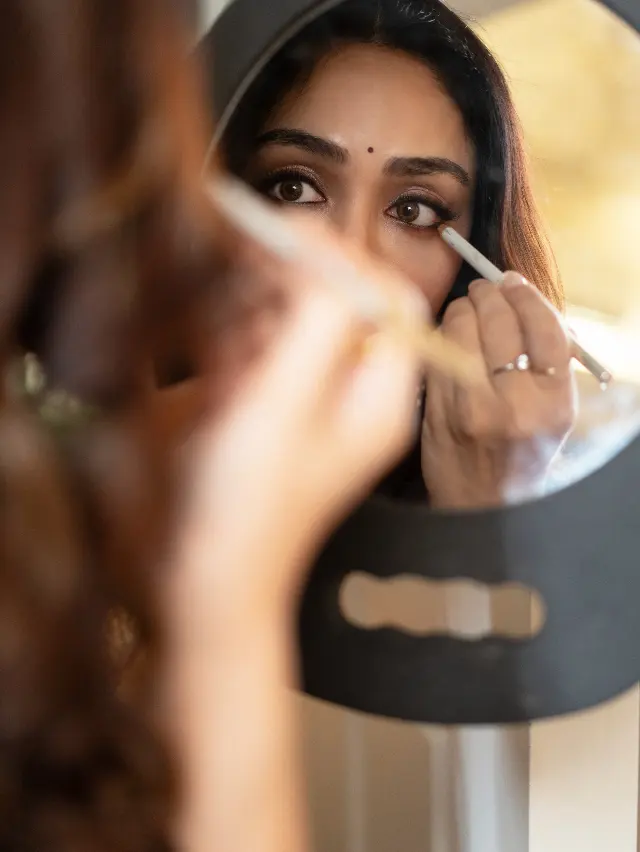
 Glamorous editorial eye makeup look with a polished beauty finish
#Editorial Beauty
2 ideas
Glamorous editorial eye makeup look with a polished beauty finish
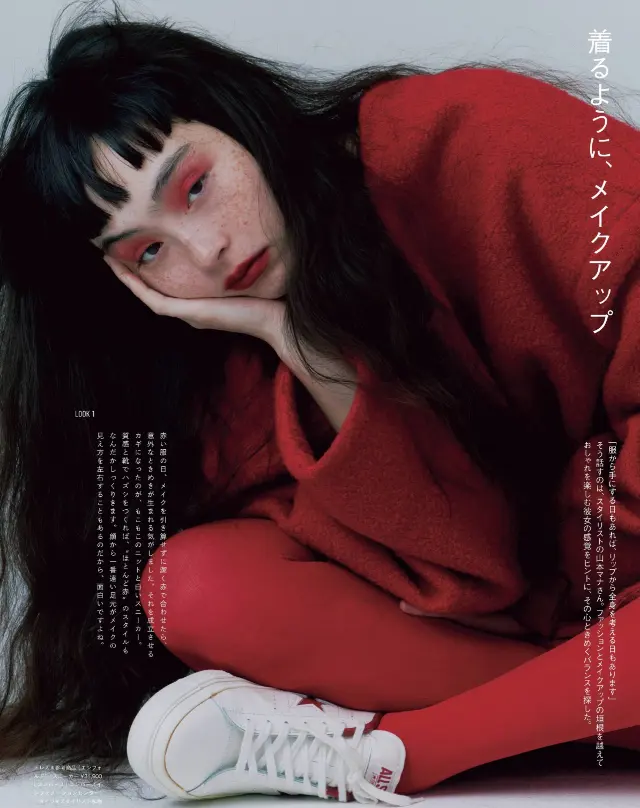 Red Eyeshadow Beauty Portrait Shot for Ginza Magazine
Get new #Editorial Beauty ideas by email
Every Thursday: the week's best ideas, with the newest from #Editorial Beauty.
Related tags
Editorial Beauty: Makeup That Tells a Story
Editorial beauty is beauty imagery made to be looked at rather than sold. Instead of showing a product at its most flattering, it uses a face, a mood and a light to say something — a colour story, a character, an idea. It lives in magazines, in portfolios and in the creative work photographers and makeup artists make together, and it borrows from fashion, art, film and theatre as much as from cosmetics counters.
Where it comes from
The beauty page has existed nearly as long as the fashion magazine itself: a space where makeup artists were given room to experiment away from the demands of advertising. Over the decades that space grew into its own discipline, with its own conventions — a language of close crops, strong moods and deliberate imperfection. What unites the genre is intent. A beauty image is editorial when the makeup serves a point of view, not a price tag.
The main styles
Read more
- Clean, minimal beauty: skin left looking like skin, soft definition, hair simply done. The hardest to shoot well, because nothing hides a mistake.
- Colour stories: a single hue pushed across lids, lips and cheeks, or two colours in deliberate contrast.
- Graphic and architectural: sharp liner, painted shapes, blocked colour, drawn lines that follow the bone structure or deliberately ignore it.
- Texture and material: gloss, glitter, metallic leaf, powder, wet-look skin — makeup treated as something tactile.
- Character work: freckles exaggerated, brows bleached, lips painted out — the face as costume.
What beginners should know
Start with the brief. Even a self-directed shoot needs one sentence about what the image is for, and a small set of references you can actually describe in words. Vague mood boards lead to muddled makeup.
Decide on one focal point. Editorial beauty often fails because three ideas compete: a graphic eye, a strong lip and heavy texture all at once. Choose the feature the image is about and let the rest stay quiet.
Learn how makeup behaves on camera. Colours read flatter and cooler under studio light, shimmer can photograph as texture you did not intend, and skin that looks flawless in the mirror may photograph shiny. Testing on camera before the shoot, rather than trusting the mirror, saves an entire day.
Practical tips
Prepare skin properly and give it time to settle. Keep the working area and your tools clean, and never share a product straight from the container onto a second face. Work in thin layers so you can build rather than correct. Build in time for the close-up, which is unforgiving and where editorial beauty is judged.
And keep a record of what you did: a quick note on products, mixing and light makes the next shoot easier, and turns a lucky image into a repeatable one.
#Editorial Beauty: frequently asked questions
How do I start with editorial beauty if I've only done everyday makeup?
Begin with a one-sentence brief: decide what the image is meant to express and gather a few references you can describe in plain words. From there, keep the makeup simple — clean skin, soft definition, one clear idea — and shoot it on camera so you learn how your products actually read through a lens.
What do I need for an editorial beauty shoot?
You need a defined focal point more than a big kit: skin prepped and settled, a small set of products chosen to serve the concept, and clean tools and a clean work surface. Add a camera you can test with before the shoot, plus a notebook to record what you used so the result can be repeated.
Which editorial beauty style should I choose?
Pick the one that best carries your idea rather than the one that looks most impressive. Minimal skin, colour stories, graphic shapes, texture and character work each say different things, and a single direction read clearly beats several competing ones stacked on the same face.
How do I care for the skin and tools before and after a beauty shoot?
Prep skin gently and let it settle before makeup goes on, since calm skin photographs better than skin rushed into place. Keep brushes, sponges and surfaces clean, and never dip into a pot directly for a second face — take product out onto a palette instead.
How do I keep an editorial beauty look from becoming muddy?
Choose one feature to be the subject and let everything else stay quiet. Strong eyes, a bold lip and heavy texture fighting together is the usual reason a look reads as cluttered rather than intentional, so removing something is often the fix.
Do you have ideas for a beauty shoot with a clear mood?
A polished glamorous eye with a clean finish gives you a confident, magazine-style portrait, while a single saturated shadow colour across the lid creates a stronger colour story with real atmosphere. Both work best when the rest of the face is restrained and the light is doing deliberate work.
Videos come from YouTube and posts from Instagram; titles and summaries are our own. All rights belong to their creators.