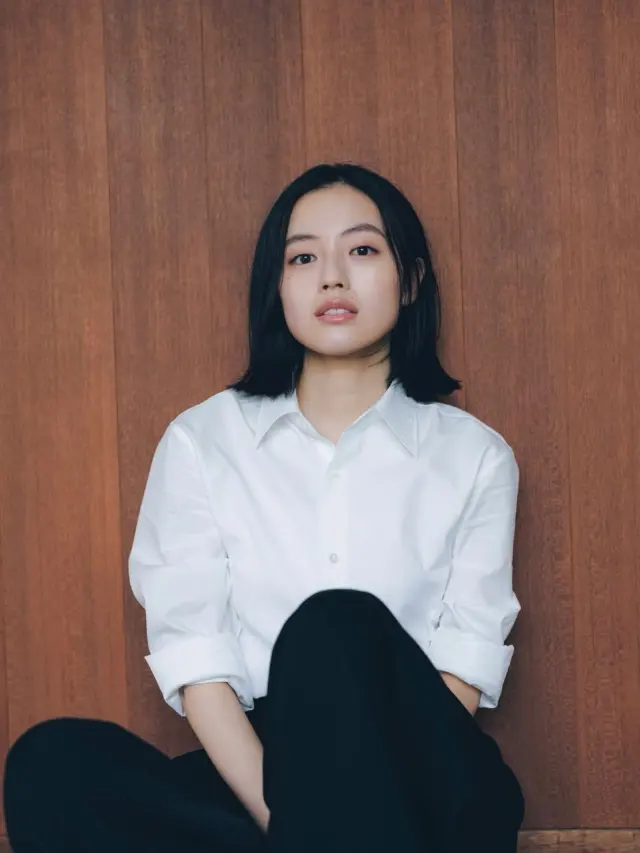
 Professional hair and makeup styling for a modern portrait photoshoot
#Editorial Style
2 ideas
Professional hair and makeup styling for a modern portrait photoshoot
Get new #Editorial Style ideas by email
Every Thursday: the week's best ideas, with the newest from #Editorial Style.
Related tags
Editorial Style: How Fashion Photography Tells a Story
Editorial style is the look and language of fashion photography made for magazines, campaigns and creative portfolios rather than for a catalogue. Where a commercial shot exists to show a garment clearly, an editorial exists to create an atmosphere. The clothes, hair, makeup, light and setting all serve a single idea, and the image reads a little like a scene from a film you have not seen yet. That is the heart of it: intention. Every visible choice points somewhere.
Where it comes from
The word comes from the editorial pages of magazines, the space between the advertisements where writers and photographers were free to experiment. Over the decades that freedom produced a whole visual vocabulary, from stark studio portraits to lush location shoots, and it has since spilled into social media, brand campaigns and personal projects. What has not changed is the logic underneath: a concept first, then styling, then image.
The main directions
Read more
Editorial work is easier to understand by mood than by rule.
- Clean and minimal: strong silhouette, controlled light, little or no pattern, the face and posture doing the work.
- Romantic and soft: flowing fabrics, natural light, pastel or earthy palettes, a dreamy and unhurried feel.
- Dramatic and sculptural: bold makeup, sharp shadow, unusual shapes, often in black and white.
- Narrative or cinematic: a set, a prop, a gesture, suggesting a character and a moment.
- Beauty-led: the frame belongs to skin, hair and makeup, with styling kept deliberately quiet.
Beauty editorials follow the same thinking on a smaller canvas. A sculpted eye or a wet-look hairstyle is not decoration; it is the story, and the lighting and the styling are chosen to support it.
What beginners should know
Start with one idea and protect it. It is tempting to add a second concept, then a third, until the image says nothing. Ask yourself what the viewer should feel in the first second, and remove anything that does not serve that feeling.
Mood boards help enormously. Collect textures, colours, poses, film stills and interiors before you collect clothes. Then build a palette of two or three tones and stay inside it, because restriction is what makes an editorial look deliberate.
Light matters more than the outfit. Soft window light flatters almost everything; hard directional light creates shape and drama. Learn to see the difference before you learn to buy equipment.
Finally, plan the beauty and the wardrobe together. Hair, makeup and clothing should feel like they were decided in the same conversation, and a look that reads as effortless is almost always the result of careful preparation.
Practical tips
- Give yourself a reference image for every element: pose, light, texture, makeup.
- Keep the styling consistent from head to toe, including hands and shoes.
- Let one element be a surprise, and keep everything else calm.
- Edit later with distance. The strongest frame is often the quietest one.
Editorial style rewards a clear eye more than a large budget. Decide what you want to say, then let every choice repeat it.
#Editorial Style: frequently asked questions
How do I start an editorial shoot when I have no magazine experience?
Begin with a single idea you can state in one sentence, then build everything around it. Gather references for mood, light, pose and texture before you think about clothes, since the concept should lead the styling rather than the other way round. A small, controlled shoot that expresses one clear feeling teaches you more than a busy one that tries several.
What do I actually need for an editorial look?
You need a concept, a limited colour palette, and a light source you understand, which is often just a window. A wardrobe and beauty plan decided together matters more than expensive equipment, and a reference image for each element keeps everyone aiming at the same picture. Restriction is what makes the result read as deliberate rather than accidental.
Which direction of editorial style should I choose?
Choose by mood rather than by rule: clean and minimal, romantic and soft, dramatic and sculptural, narrative, or beauty-led. Pick the one that matches the feeling you want the viewer to have in the first second, and let it guide silhouette, light and styling. Once you have worked in one direction, trying another is the fastest way to learn what suits you.
How can I keep a look consistent from head to toe?
Treat hair, makeup, clothing, hands and shoes as one decision made in the same conversation, because a mismatch at the edges breaks the atmosphere. Decide the palette before you style anything and refuse anything that falls outside it. Let one element carry the surprise while everything around it stays calm.
What mistakes do beginners make with editorial styling?
The most common is adding a second and third idea until the image says nothing, so protect the first idea by removing whatever does not serve it. Another is letting the outfit lead instead of the light and the concept, or neglecting grooming and accessories that the frame will still show. Finally, edit with some distance afterwards, since the quietest frame is often the strongest.
Videos come from YouTube and posts from Instagram; titles and summaries are our own. All rights belong to their creators.