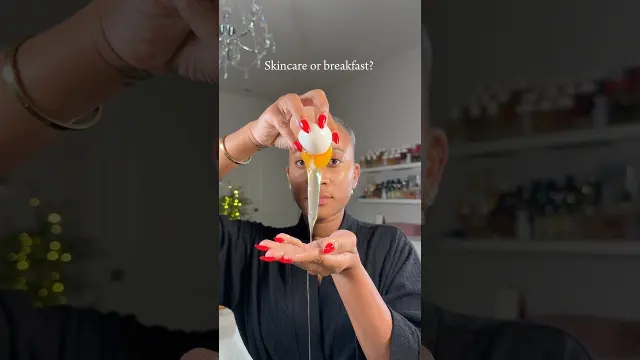
 Making a Homemade Egg Mask for DIY Skincare
#Egg Mask
1 ideas
Making a Homemade Egg Mask for DIY Skincare
Get new #Egg Mask ideas by email
Every Thursday: the week's best ideas, with the newest from #Egg Mask.
Related tags
Egg Mask for Hair and Skin: A Beginner's Guide
An egg mask is exactly what it sounds like: a treatment made from raw egg, usually whisked with a little oil, honey, yoghurt or lemon, spread over the face or worked through the hair and left to sit before rinsing. It belongs to the long tradition of kitchen cosmetics — the kind of thing grandmothers recommended long before it turned up in beauty tutorials — and its appeal is simple. Eggs are cheap, they are already in the fridge, and they contain things skin and hair genuinely respond to.
Why an egg at all
A hen's egg is a small package of protein, fat and water-soluble vitamins. The white is almost pure protein dissolved in water; the yolk carries the fat, along with vitamin A, vitamin D and lecithin, an emulsifier that helps oil and water mix. That split explains almost everything about how egg masks are used. Whites dry down tight and firm, which is why they are reached for on oily or combination skin and on the scalp. Yolks stay rich and slippery, which is why they suit dry, tight or flaky skin and dry hair. Many people use the whole egg, or a yolk only, for hair and a white only, for the face.
Simple ways to use it
Read more
For skin, a basic mask is one egg white beaten until slightly frothy, sometimes with a teaspoon of honey or a spoon of plain yoghurt, applied to clean skin and rinsed off with lukewarm water after ten to fifteen minutes — before it dries to a crackling film. For dry skin, a yolk whisked with a little olive oil or mashed avocado is gentler. For hair, whole egg or yolk alone is worked from mid-length to ends, left for around twenty minutes under a shower cap, then rinsed out with cool water, because hot water can set the protein into the strands and leave them stiff.
What beginners should know
Patch test first, on the inner arm, and wait a day — egg is a common allergen and a reaction is not something to discover on your face. Use fresh eggs, keep the mask out of your eyes and mouth, and remember that raw egg carries a risk of food-borne bacteria, so never leave a mask on for hours and never eat leftover mixture. Skip egg on broken, sunburnt or freshly exfoliated skin, and do not apply it to the eyebrows or lashes if you have had lash treatments.
A word on expectations
An egg mask is a pleasant, inexpensive bit of self-care, not a treatment. The tightening you feel as the white dries is the protein film drying, not your skin changing shape, and any smoothness afterwards is temporary. Once a week is plenty. If your skin is persistently irritated, acne-prone or reactive, a dermatologist's advice will serve you far better than anything in the fridge.
Cleaning up
Rinse bowls and whisks in cold water before washing, and wipe the sink afterwards — egg sets into a stubborn film in warm water. A little care at the end keeps the ritual enjoyable.
#Egg Mask: frequently asked questions
How do I get started with an egg mask?
Start simple: separate one egg, beat the white until it is slightly frothy, spread it over clean skin and rinse with lukewarm water once it starts to feel tight rather than letting it dry completely. Before that first try, do a patch test on your inner arm and wait a day to be sure your skin tolerates egg. Clean bowls and whisks in cold water straight afterwards, since egg sets into a hard film in warm water.
What ingredients do I need, and what can I mix with the egg?
An egg plus one or two things from the kitchen is enough. Honey or plain yoghurt is a common addition to a white for oily or combination skin, while dry skin often does better with a yolk whisked with a little olive oil or mashed avocado. There is no need to buy anything special; the mask is meant to be made from what you already have.
Should I use the white, the yolk, or the whole egg?
The white is the firming, drying part, so it suits oily or combination skin and the scalp, while the yolk is rich and slippery and better for dry, tight or flaky skin and dry hair. For hair, many people use the whole egg or yolk only, from mid-length to the ends. Pick based on what your skin or hair actually needs rather than assuming one is better.
How do I look after my hair with an egg mask?
Work whole egg or yolk through the mid-lengths and ends, cover with a shower cap and leave it for a short while before rinsing. The important part is the rinse: use cool or lukewarm water, because hot water can set the protein in the strands and leave hair stiff. Follow with your usual wash if the smell bothers you.
Can I use an egg mask before a big event or for a special occasion?
You can, but treat it as a small bit of self-care rather than a preparation that changes anything. The tightening you feel as the white dries is just the protein film setting, and any softness afterwards is temporary. If you want it in your routine before an occasion, try it well ahead of time rather than on the day, so you know how your skin responds.
What are the most common mistakes with egg masks?
Skipping the patch test, leaving the mask on far too long, and rinsing with hot water are the usual ones. Egg is a common allergen and raw egg carries a risk of food-borne bacteria, so keep it away from eyes and mouth, don't leave it on for hours, and throw away any leftover mixture rather than eating it. It is also worth skipping egg on broken, sunburnt or freshly exfoliated skin.
Videos come from YouTube and posts from Instagram; titles and summaries are our own. All rights belong to their creators.