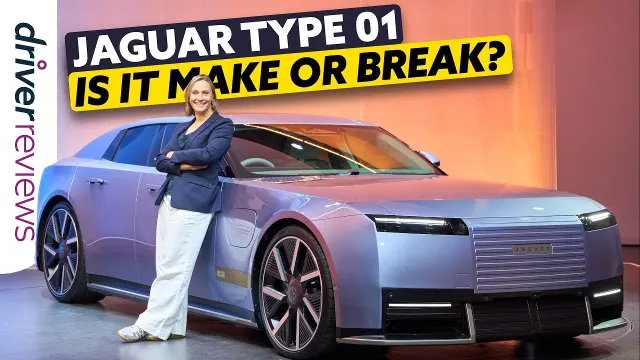
 Jaguar Type 01 First Drive: 1,030 hp Electric Prototype
#Electric Cars
2 ideas
Jaguar Type 01 First Drive: 1,030 hp Electric Prototype
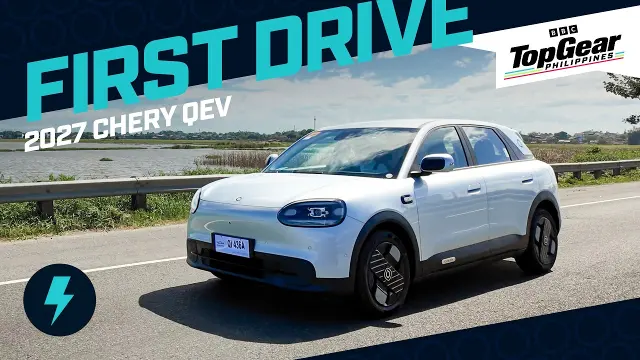 Chery QEV First Drive: The Electric QQ Revival
Get new #Electric Cars ideas by email
Every Thursday: the week's best ideas, with the newest from #Electric Cars.
Related tags
Electric Cars: A Beginner's Guide to Driving Electric
An electric car is a vehicle driven by one or more electric motors powered by a battery pack instead of a petrol or diesel engine. Instead of burning fuel, it stores energy in rechargeable cells and converts it back into motion. The idea is older than most people assume: early automobiles in the late nineteenth century included electric models, which were quiet, clean and simple to operate, before cheap petrol and the electric starter tipped the balance toward combustion engines for most of the following century.
How it works
The core parts are the battery, the motor, and a controller that manages power flow between them. Electric motors deliver their full pulling force from a standstill, which is why electric cars feel quick away from traffic lights without a noisy engine. There is no gearbox in the usual sense, no clutch, and far fewer moving parts than a combustion drivetrain, which generally means less routine maintenance: no oil changes, no spark plugs, no exhaust system.
Regenerative braking is one of the defining features. When you lift off the accelerator, the motor runs in reverse as a generator, slowing the car and feeding energy back into the battery. Many drivers learn to use this so effectively that they rarely touch the brake pedal in normal driving.
Read more
The main kinds
Battery electric vehicles run purely on electricity and are charged from an external source. Plug-in hybrids combine a battery and motor with a conventional engine, offering a limited electric range before the engine takes over. Hybrids without a plug charge themselves from the engine and braking, so they never need to be plugged in but cannot run on electricity alone for long. Mild hybrids use a small motor only to assist the engine and smooth out fuel use.
Charging, in plain terms
There are three broad speeds. A standard household socket is the slowest and best treated as a top-up. A dedicated wall charger installed at home is the practical everyday option for most owners, replenishing the battery overnight. Public fast chargers add substantial range in the time it takes to stop for coffee, and are best thought of as tools for longer journeys rather than daily habit.
What beginners should know
Think about your real driving pattern rather than the extremes. Most people travel well under the full range of a modern electric car on a typical day, and charging at home covers that comfortably. If you regularly drive long distances or cannot charge where you park, a plug-in hybrid may suit you better for now.
Range figures are measured under standardised conditions and will not match every real journey. Cold weather, high speed, heating and air conditioning, and a loaded car all draw energy. Learn what your car does in your own conditions instead of relying on the brochure number.
Plan a long trip around charging stops, not just distance, and check that the connectors along your route match your car. Keep the battery within sensible limits for daily use if your car allows it, and save a full charge for the days you need the extra range.
Finally, drive gently at first. Smooth acceleration and early use of regenerative braking reward you with efficiency, and the quietness of an electric car takes a little getting used to.
#Electric Cars: frequently asked questions
How do you start and drive an electric car for the first time?
You press the brake, switch the car on, and select drive — there is no ignition or clutch to work, and the car simply moves when you press the accelerator. The main thing to relearn is the silence and the strong pull from a standstill, so pull away gently and give yourself room to get used to it. Lift off the accelerator early and let the car slow itself through regenerative braking while you build confidence.
What do I need in place before buying an electric car?
Sort out charging first: a dedicated wall charger where you park is what makes everyday ownership easy, while a household socket is only a slow top-up. Then look honestly at your daily driving rather than at the longest trip you have ever taken, because regular journeys are usually far shorter than the car's full range. If you cannot charge where you park, a plug-in hybrid is a reasonable stepping stone.
Which kind of electric car should I choose?
A battery electric car suits people who can charge at home or at work and mostly drive predictable distances. A plug-in hybrid covers a limited electric range before its engine takes over, which helps if you regularly go long distances or have no charging at home. Cars without a plug charge themselves but cannot run on electricity alone for long, so treat them as efficient conventional cars rather than electric ones.
How do I look after the battery day to day?
Keep the charge within sensible limits for ordinary driving if your car lets you set that, and save a full charge for the days you actually need the extra range. Very hot or very cold conditions are harder on the battery, so park in shade or indoors where you can. Otherwise there is little to do — no oil changes, spark plugs or exhaust to fuss over.
What are the common beginner mistakes with an electric car?
The classic one is trusting the quoted range as if it were guaranteed, when cold weather, high speed, heating, air conditioning and a loaded car all draw energy. Another is planning a long journey by distance alone rather than around charging stops, and not checking that the connectors on the route match the car. Relying on public fast chargers as a daily habit instead of an occasional tool is the other easy trap.
Videos come from YouTube and posts from Instagram; titles and summaries are our own. All rights belong to their creators.