 2026 Rivian R2 First Drive: Rivian's Compact Electric SUV
#Electric SUV
2 ideas
2026 Rivian R2 First Drive: Rivian's Compact Electric SUV
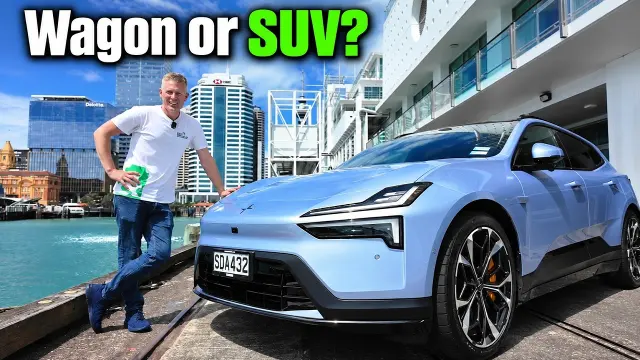 Polestar 4 First Drive: NZ Pricing, Range and Power
Get new #Electric SUV ideas by email
Every Thursday: the week's best ideas, with the newest from #Electric SUV.
Related tags
Electric SUV: A Practical Guide to Driving Electric
An electric SUV is a sport utility vehicle powered by one or more electric motors drawing energy from a rechargeable battery instead of burning petrol or diesel. The body style is the familiar tall, roomy one — raised seating, a generous boot, space for five or more — but the mechanical parts underneath are different: no engine, no gearbox in the conventional sense, and a large battery pack running along the floor between the wheels. That single change reshapes almost everything else about the car, from how it handles to how you own it.
Why the shape suits electric drive
Batteries are heavy and bulky, and an SUV's height and length give designers somewhere to put them without stealing cabin space. Mounting the pack low in the floor also lowers the centre of gravity, which offsets some of the body roll you would otherwise expect from a tall vehicle. Electric motors deliver their pulling force from a standstill, so a loaded SUV feels brisk rather than strained, and the flat floor made possible by the missing transmission tunnel gives rear passengers noticeably more foot room.
The main kinds
Read more
- Battery electric: runs purely on stored electricity and is charged from mains power. This is what most people mean by an electric SUV.
- Plug-in hybrid: combines a battery and motor with a conventional engine, and can be plugged in to charge. Short journeys can run on electricity alone; longer ones use the engine.
- Hybrid and mild hybrid: cannot be plugged in. The electric part assists the engine rather than replacing it, so they are not usually described as electric SUVs.
What to think about before you commit
Charging matters more than anything else. If you can charge at home overnight, day-to-day ownership becomes simple: the car fills while you sleep. Without off-street parking, you depend on public chargers, so it pays to know what is near your home and along your regular routes. Consider how often you make long journeys and whether you are comfortable planning stops around charging.
Range figures describe ideal conditions. Cold weather, motorway speeds, a full load, roof bars and steep terrain all draw more energy, so treat any quoted figure as a best case rather than a promise.
Living with one
Electric SUVs are quiet and smooth in traffic, and because energy is recovered when you slow down, gentle driving genuinely extends how far you go. Tyres wear faster on heavier vehicles, so check pressures regularly and expect replacements sooner than on a lighter car. Regenerative braking saves the friction brakes, but they still need occasional use and servicing.
If you are new to electric driving, spend your first weeks learning the car's real consumption rather than the official number, and practise charging before you need it on a busy day.
#Electric SUV: frequently asked questions
How is an electric SUV different from a regular one underneath?
Instead of an engine and gearbox, it uses one or more electric motors fed by a large rechargeable battery pack laid along the floor between the wheels. That low, flat placement frees up cabin and foot space and helps steady a tall body through corners. The result is a quiet, smooth drive with strong pull from a standstill, even when loaded.
Do I need a charger at home to own one?
It isn't strictly required, but it changes the experience completely: with off-street parking you simply plug in overnight and wake to a full battery. Without it, you lean on public charging points, so it's worth mapping what sits near your home and on your usual journeys before deciding. If long trips are common, ask yourself honestly whether planning stops around charging suits you.
Which type of electrified SUV should I pick?
A battery electric model runs purely on stored electricity and is what most people mean by the term. A plug-in hybrid pairs a battery and motor with a conventional engine, letting short trips run on electricity while the engine handles longer ones. Ordinary hybrids and mild hybrids can't be plugged in at all, since the electric part only assists the engine.
How accurate is the quoted range?
Treat any figure as a best case rather than a promise, because it describes mild, ideal conditions. Cold weather, sustained motorway speeds, a full load, roof bars and hilly ground all draw more energy than the label suggests. Learning your own real consumption over the first weeks is far more useful than the official figure.
What does routine care involve?
Tyres matter most, since the extra weight wears them faster and under-inflation makes it worse, so check pressures often and expect to replace them sooner. Regenerative braking takes much of the load off the friction brakes, but they still need occasional use and servicing. Gentle driving is rewarded too, because energy recovered while slowing down genuinely extends how far you travel.
What do new owners most often get wrong?
The common slip is trusting the quoted range instead of the car's actual consumption in your own conditions. The other is leaving charging to figure out on a busy day rather than practising it calmly beforehand. A little time spent learning both early makes everyday ownership far less stressful.
Videos come from YouTube and posts from Instagram; titles and summaries are our own. All rights belong to their creators.