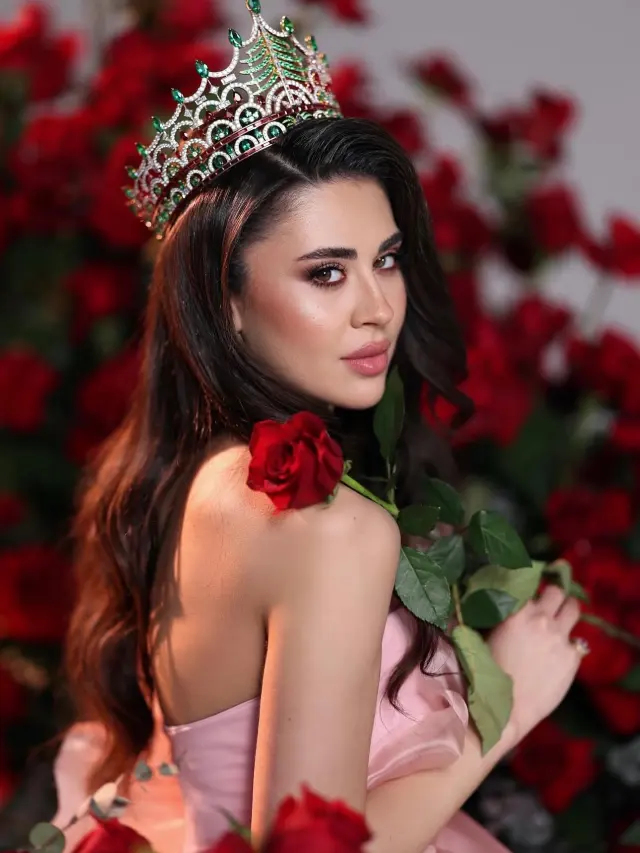
 Elegance Has a Crown: A Regal Hairstyling Look to Inspire You
#Elegant Look
1 ideas
Elegance Has a Crown: A Regal Hairstyling Look to Inspire You
Get new #Elegant Look ideas by email
Every Thursday: the week's best ideas, with the newest from #Elegant Look.
Related tags
Elegant Look: A Timeless Guide to Understated Style
An elegant look is less a single outfit than a way of carrying yourself. It suggests restraint, care and attention: clothes that fit properly, colours that agree with each other, and a finish that looks considered rather than effortful. The word itself comes from the Latin eligere, "to choose" — a reminder that elegance is always a matter of selection, of what you leave out as much as what you put on. Someone can look elegant in a plain shirt and trousers; someone else can wear something expensive and look unsettled. The difference usually lies in proportion, grooming and ease.
Where the idea comes from
Ideas about elegance have shifted across centuries and cultures, but a few threads run through most of them. Classical ideals favoured balance and clarity. Courtly societies turned those ideals into codes of dress and manners, where restraint signalled good breeding. Modern fashion then stripped elegance down, keeping its core: simplicity, quality of material, and a silhouette that flatters the person rather than the trend. Today the concept travels freely — it appears in tailoring, in minimalist wardrobes, in traditional dress, and in the quiet luxury of everyday wear.
The main styles
Read more
- Classic elegance: tailored pieces, neutral tones, a defined waist or shoulder, nothing competing for attention.
- Minimal elegance: few items, clean lines, monochrome or near-monochrome palettes, texture doing the work of pattern.
- Romantic elegance: softer fabrics, drape, a single focal point such as a silk scarf or a fine necklace.
- Modern elegance: relaxed tailoring, sharp but comfortable shapes, sneakers worn with a well-cut coat.
- Evening elegance: deeper colours, richer materials, one considered accessory and a polished finish.
What beginners should know
Start with fit. A garment that sits correctly at the shoulder and hem will always read as more elegant than a more expensive one that does not, so find a tailor you trust and use them. Build a small base of well-made, quiet pieces — a good shirt, plain trousers, a jacket, simple shoes — and let the rest follow. Choose fabrics that hold their shape and improve with wear rather than ones that pill or shine after a few washes.
Colour is where most looks are won or lost. A restrained palette of two or three tones, with one accent, is easy to manage and rarely fails. If you love pattern, keep it to a single item and let everything else stay calm.
Practical touches
Grooming finishes a look more than any purchase: clean shoes, pressed hems, tidy nails, hair that looks intentional. Keep jewellery to one or two pieces that catch the light rather than several that argue. Press your clothes, remove loose threads, and check the mirror from a distance before you leave.
Above all, elegance sits best on someone who is comfortable. Wear what allows you to move, breathe and forget about your clothes — that ease is what people actually notice, and it never goes out of style.
#Elegant Look: frequently asked questions
How do I start building an elegant look if I don't have much to spend?
Begin with fit rather than labels: a shirt, trousers, a jacket and simple shoes that sit correctly at the shoulder and hem will do more for you than anything trend-led. Have those few pieces adjusted by a tailor you trust, and choose fabrics that keep their shape through repeated wear. A small, quiet base makes it easy to add to later without starting over.
Which style of elegance should I choose for myself?
Pick the one that matches how you actually live and move — tailored and classic for structured days, minimal for a pared-back wardrobe, softer romantic fabrics when you want drape and a single focal point. Modern elegance suits people who want polish without formality, while evening elegance is about richer colour and material for occasions. Once chosen, stay consistent so the look reads as considered rather than assembled.
What actually makes a look seem elegant rather than just expensive?
Proportion, grooming and ease carry far more weight than price. Clean shoes, pressed hems, tidy nails and hair that looks deliberate finish an outfit more than any purchase, and a restrained palette keeps everything in agreement. Someone comfortable in what they are wearing will always read as elegant, even in something very plain.
How should I care for the clothes that make up an elegant wardrobe?
Press garments before wearing, remove loose threads, and store pieces so they keep their line rather than creasing under weight. Wash gently and let fabrics dry in a way that preserves shape, since items that pill or shine lose their crispness quickly. A little regular attention keeps a modest wardrobe looking better than a larger neglected one.
What are the common mistakes people make when trying to look elegant?
The usual slips are crowding the look with too many competing details, wearing garments that pull or hang where they shouldn't, and trusting trends over proportion. Pattern in several places at once, or jewellery that argues with itself, breaks the calm an elegant look depends on. Checking yourself from a distance in the mirror before leaving catches most of it.
Any ideas for dressing elegantly for a special occasion?
Let one element lead — a defined shoulder, a draped fabric, or a single piece of jewellery that catches the light — and keep everything else quiet around it. Deeper colours and richer materials suit evening settings, while daylight favours clean lines and neutral tones. Make sure you can move and sit comfortably, because ease is what people remember.
Videos come from YouTube and posts from Instagram; titles and summaries are our own. All rights belong to their creators.